The latest turn
In an exciting twist for both mycologists and psychedelic researchers, a graduate student at the University of Washington has reportedly made significant strides in understanding a particular fungus known for inducing vivid hallucinations, including the classic phenomenon of perceiving tiny humanoid figures. This development follows a series of promising experiments where compounds isolated from the fungus elicited unexpected neurological responses that researchers attribute to enhanced neural connectivity. As the student approaches a major scientific milestone, the implications of this research could shape not only the field of neuropharmacology but also therapies for mental health disorders.
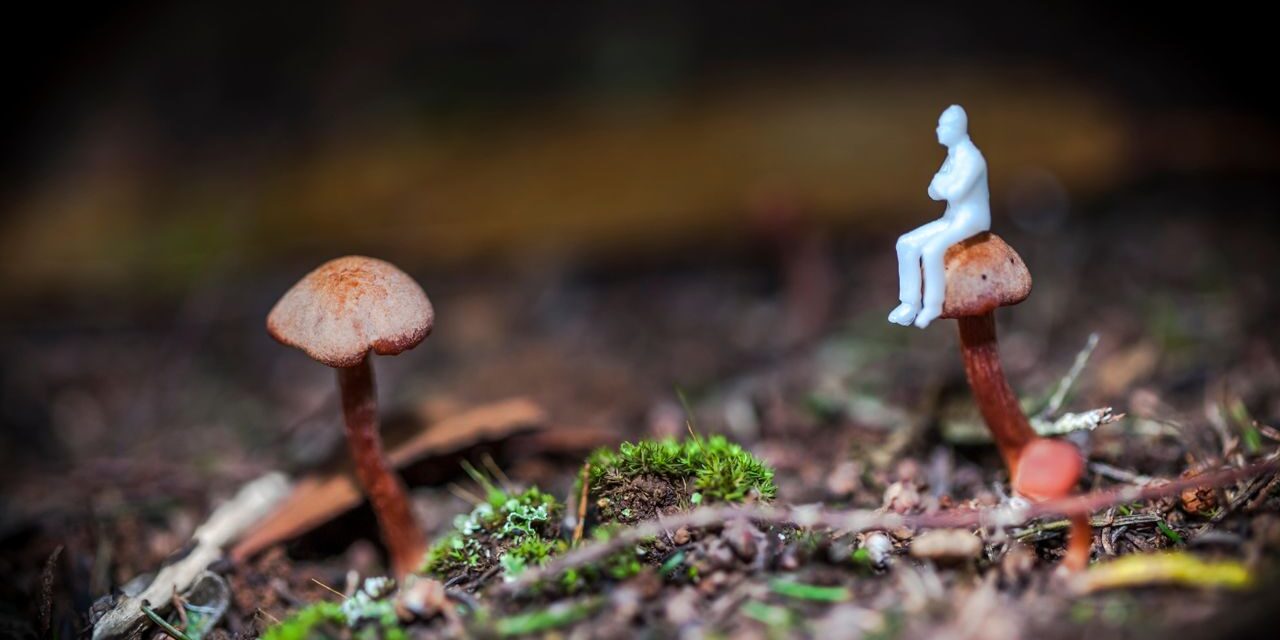
The fungus in question, Psilocybe, is part of a broader category of hallucinogenic fungi that contain psilocybin. However, this specific strain has garnered attention due to its unique effect of causing users to experience visual hallucinations of miniature people, often referred to as “little folks.” Preliminary reports indicate that these experiences may be linked to a modulation of serotonin receptors in the brain, a pathway already associated with common antidepressants and emerging psychedelic therapies.
How the story got here
The journey to this breakthrough has been anything but straightforward. Interest in hallucinogenic compounds surged in the past decade, paving the way for innovative research into their therapeutic potential. Fueled by anecdotal reports and early studies suggesting benefits for conditions like PTSD and depression, the scientific community began revisiting these substances, previously shunned for their illicit status.
The university student, whose initial curiosity was piqued by personal experiences with psychedelics, started investigating the neurobiological mechanisms underlying the hallucinations associated with this particular fungus. Early experiments demonstrated that the fungus’s compounds activated certain neural pathways more robustly than previously recognized. In collaboration with experienced mycologists and neurobiologists, the student set out to isolate specific alkaloids responsible for these vivid visual distortions.
The path forward was fraught with challenges ranging from sourcing the fungi to navigating stringent research approvals. However, the persistence and innovative methodology exhibited in the lab have begun yielding results, attracting attention not only from academic peers but also from pharmaceutical companies keen on harnessing these compounds for therapeutic use.
Next expected developments
Looking forward, several key milestones are anticipated in the coming months. The student plans to present data from initial trials at an upcoming neuroscience conference, capturing the attention of both skeptics and supporters. The feedback from this presentation is likely to inform the next phase of research, which will focus on larger scale clinical studies to further explore the potential therapeutic applications.
Moreover, as funding continues to flow into psychedelic research, there may be additional collaborations with biopharma companies, which could expedite the path from lab to market. This partnership may open doors for controlled clinical trials exploring not only the hallucinations but also the broader implications of microdosing the fungus for various psychological ailments.
As this story unfolds, it has the potential to redraw the lines of how we understand mental health treatments, illustrating a paradigm shift that accepts the therapeutic capacities of fungi long deemed mere curiosities in nature.