The recent discovery of a large textile-production site in Denmark has ignited fresh discussions about the societal structure and cultural practices of the Vikings. This finding, made in the town of Jelling, is raising questions about the longstanding stereotype of Vikings as ‘uncivilized’ barbarians, suggesting a more nuanced understanding of their lifestyle and economic activities.
The latest turn
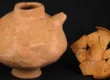
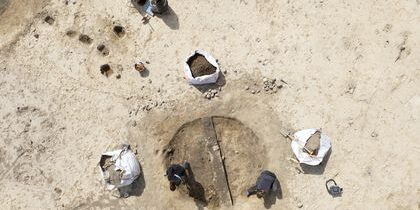
Archaeologists unearthed significant remnants of textile production, including spindle whorls and loom weights, which point to a well-organized operation capable of producing textiles on an industrial scale. This site, dated to the late Viking Age, challenges the established narrative surrounding the period, highlighting an intricate system of craftsmanship and trade that extends beyond warfare and raiding.
Dr. Anna Pettersen, leading the excavation team, emphasized the importance of the site. “This discovery illustrates the Vikings as skilled artisans and industrious producers,” she stated during a press conference. “They were not merely raiders; they forged a complex society with economic interdependencies that contributed to their wealth and influence across Europe.”
How the story got here
The stereotype of Vikings as barbaric raiders has dominated popular culture for centuries, often grounded in historical accounts focusing on their raids and warfare. However, archaeological discoveries over the past few decades have begun to offer alternative perspectives. Sites revealing evidence of trade, agriculture, and craftsmanship indicate that Vikings were integral to the economic mechanisms of their time.
The Jelling site is pivotal in this reevaluation. Previously regarded primarily as a focus for burial mounds and commemorative stones, the town’s rich archaeological resources are now seen as vital conduits of Viking economy and culture. The textiles produced here served not only practical functions but also played a significant role in status display and identity formation within Viking communities.
Thus far, research indicates that textile production was a collaborative effort, involving various community members. The scale and sophistication of the findings serve as compelling evidence against the image of Vikings as uncomplicated raiders and suggest a society engaged in nuanced economic practices.
Next expected developments
As archaeologists continue to analyze the artifacts from the Jelling site, further insights into Viking culture are anticipated. Upcoming studies will likely focus on the textiles’ material properties and potential trade routes, which may shed light on the Vikings’ influence on European fashion and industry.
Additionally, experts expect that this discovery could lead to collaborative research efforts aimed at mapping out similar textile-production sites across Scandinavia, enriching our understanding of Viking societies as multi-faceted and sophisticated. As the narrative around Vikings evolves, we may soon see a broader recognition of their contributions to history, challenging prevailing stereotypes.
The journey toward a more nuanced view of Viking life continues, with each archaeological find a stepping stone towards deeper comprehension of a civilization often confined to myth and misinterpretation.