
Key details
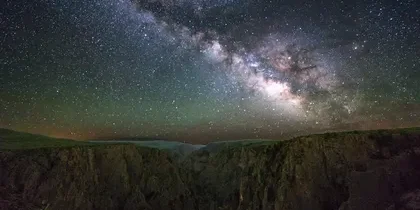
A new ‘Stargazing Trail’ has been established, linking several certified Dark Sky Destinations across the country. This initiative aims to promote nighttime astronomy by providing dedicated locations where stargazers can experience optimal viewing conditions, free from light pollution. Each site along the trail is recognized for its excellent dark-sky quality, making it easier for enthusiasts and casual observers alike to appreciate the cosmos.
The trail features a mix of national parks, nature reserves, and rural areas, each chosen for their unique atmospheric conditions and limited artificial light. Many of these sites offer amenities such as guided night sky programs, observatories, and educational resources to enhance visitors’ experiences. In addition, local communities are encouraged to participate by preserving their light-dark environments and hosting stargazing events throughout the year.
Why this matters
This initiative is significant for several reasons. Firstly, it encourages a deeper appreciation for astronomy and the natural world among a broad audience. As urban development continues to encroach upon natural areas, phenomena such as light pollution threaten one of the few remaining connections people have to the cosmos. The Stargazing Trail serves as a call to action, emphasizing the importance of dark skies for both ecological health and human well-being.
Moreover, the trail is expected to boost local economies, as stargazing tourism attracts visitors seeking nighttime experiences. Communities along the route can benefit from increased foot traffic to nearby hotels, restaurants, and shops. This economic impact can lead to a stronger community focus on preserving dark skies, enhancing both the aesthetic and ecological quality of the areas involved.
Broader picture
The advent of the Stargazing Trail reflects a growing global movement towards the protection of night skies. Countries such as Canada, New Zealand, and various European nations have already established dark sky parks, and the United States is catching up with this robust trend. As environmental awareness increases, initiatives like this highlight the need for public policies that both protect natural landscapes and support community-driven tourism regeneration.
Furthermore, such projects can inspire educational programs focusing on astronomy, ecology, and environmental stewardship, nurturing the next generation of stargazers and scientists. As communities engage with stargazing, they not only learn about our universe’s wonders but also about their role in promoting sustainable practices that protect our planet. In this context, the Stargazing Trail is more than just a recreational endeavor; it is a crucial step towards fostering a collective responsibility for preserving the night sky for future generations.