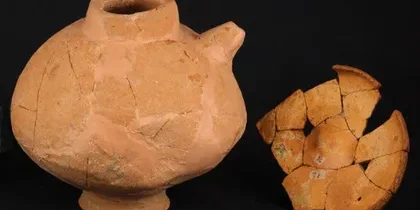
Archaeologists excavating a burial site in central Italy have uncovered an astonishing find—a well-preserved sippy cup dated to the Roman era, which was placed in the grave of a young child. This unexpected discovery has sparked conversations about ancient funerary practices and the beliefs surrounding childhood and the afterlife in Roman culture.
What happened
The site, located in a burial ground believed to date back to the first century CE, was previously known only for its adult graves. During the excavation, researchers stumbled upon a tomb that contained the remains of a toddler alongside items typically associated with early childhood care. Among these was a delicate ceramic sippy cup, elaborately decorated and showing signs of age but still intact.
This sippy cup, a unique artifact, is theorized to have been meant for the child’s journey into the afterlife. Its inclusion in the burial suggests that, just as modern parents provide comfort items for their children, ancient Romans may have also wanted to ensure a level of care and support for their deceased in the afterlife.
Why it matters
This remarkable find sheds light on various aspects of Roman life, particularly the customs surrounding child mortality—a sensitive topic given that infant and toddler deaths were far more common in ancient times. The presence of a sippy cup in the grave raises questions about how Romans viewed childhood and death. Scholars suggest that such items may have been thought to offer comfort or sustenance in the afterlife, highlighting a compassionate view toward children in their culture.
Additionally, this discovery opens doors to understanding the broader social and familial structures of Roman society. The attention given to children’s burials signifies that they held an important place within the family unit, even after death. Current scholarship about Roman funerary customs may have to be reconsidered with findings such as these, emphasizing a more nuanced understanding of childhood in the ancient world.
What comes next
The excavation team plans to conduct further analysis of the sippy cup, employing advanced imaging techniques and chemical analysis to learn more about its origins and uses. They will also focus on gathering more artifacts from the site to provide additional context about the burial practices of that period.
As researchers continue to study this significant find, they hope it will lead to a broader understanding of cultural practices regarding death and rebirth in ancient Rome. This sippy cup not only serves as a poignant reminder of the fragility of life but also as a critical artifact that can help fill in the historical gaps regarding beliefs about the afterlife and the emotional weight carried by families regarding their deceased children. The outcome of this research will likely contribute to various academic fields, including archaeology, history, and anthropology, offering insights into what Roman society valued.
As scholars delve deeper into these findings, the public can look forward to future updates from this excavation site, likely revealing more about the intricacies of life, death, and the enduring love of parents for their children, even in ancient times.