
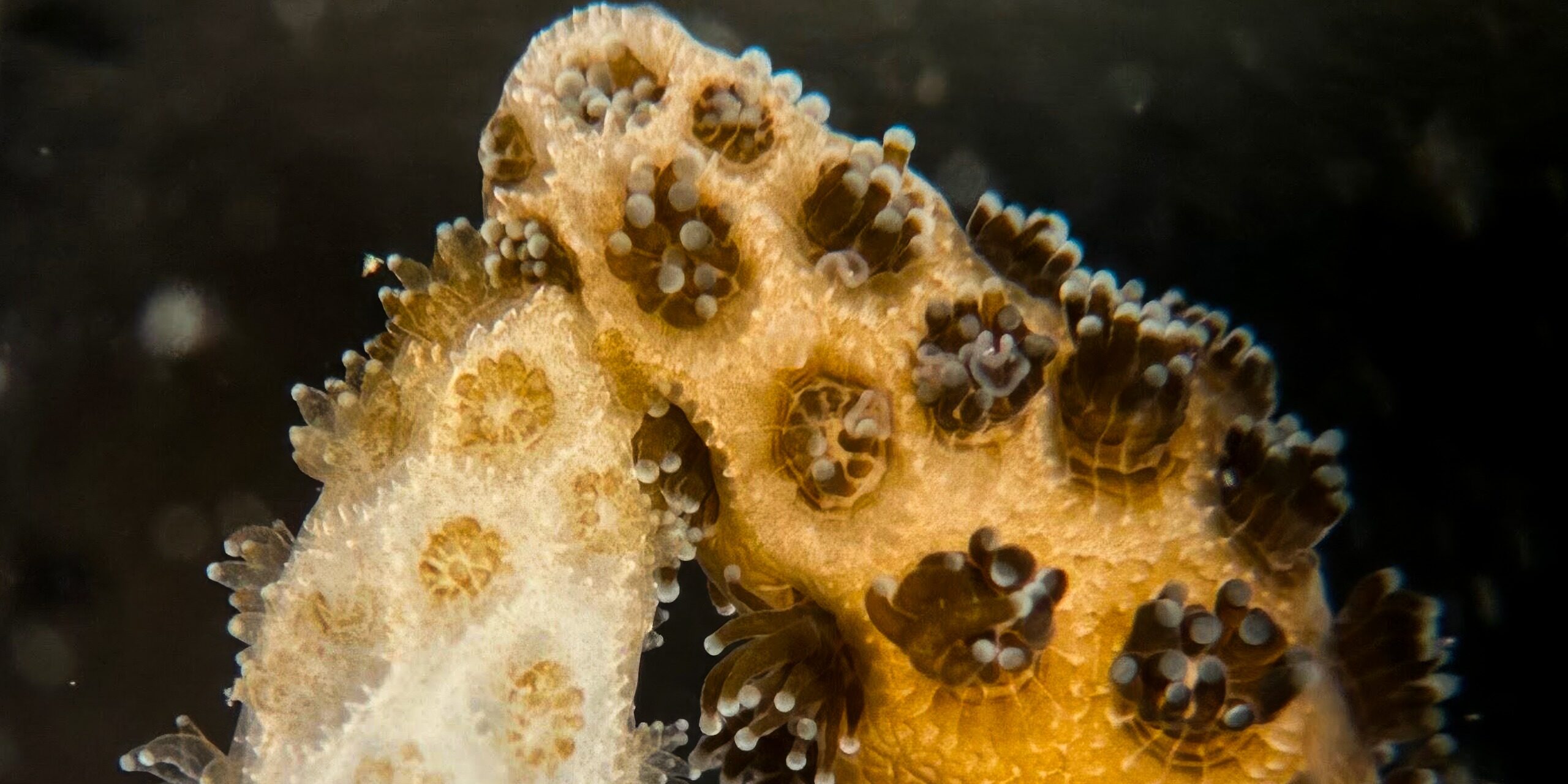
An exciting breakthrough in marine biology has emerged as researchers observed healthy coral reversing bleaching effects in a neighboring reef within just one week of direct contact. This unexpected interaction highlights the resilience of marine ecosystems and opens new avenues for coral restoration efforts, especially in light of the escalating impact of climate change on oceanic environments.
What happened
During a recent study at the Great Barrier Reef, scientists from the University of Queensland discovered a phenomenon wherein a thriving section of coral demonstrated the ability to reverse the bleaching of adjacent corals through contact. The research team conducted a series of experiments that involved placing healthy coral fragments alongside those that exhibited signs of stress from elevated sea temperatures. Remarkably, the previously bleached corals began to regain their vibrant colors and overall health within a week.
The findings were both surprising and hopeful for marine biologists, as they had initially theorized that such rapid recovery might not be possible due to the stressors affecting coral reefs globally. This significant observation was underpinned by a combination of biological and ecological factors that allow for the exchange of symbiotic algae, vital for coral health.
Why it matters
The implications of these findings are profound, particularly as coral reefs continue to face existential threats from climate change, pollution, and other human-induced factors. Coral bleaching, primarily caused by rising ocean temperatures, leads to significant biodiversity loss and threatens the marine life that relies on these ecosystems for survival. The ability of healthy coral to aid in the recovery of their stressed counterparts could provide a vital tool in conservation efforts.
Additionally, this research suggests that fostering healthy coral populations could create “refuge zones,” where vibrant corals can interact with and potentially rehabilitate nearby bleached reefs. This interconnectedness underscores the importance of preserving existing coral habitats and highlights the potential for ecological synergy in marine ecosystems. Understanding these relationships can inform future reef restoration initiatives and aid in developing strategies to combat coral loss effectively.
What comes next
As excitement over the findings begins to reverberate through the scientific community, the next objective will be to expand the research. Future studies aim to explore the specific mechanisms behind this coral collaboration. Researchers are particularly keen on understanding how certain environmental factors enhance the ability of healthy corals to rejuvenate bleached neighbors and how this can be applied across different reef systems.
Moreover, as climate change continues to pose threats to reef ecosystems, ongoing monitoring and conservation efforts will be critical. The study’s authors stress the importance of protecting healthy coral populations as they have now demonstrated a capacity for resilience and recovery that may prove essential in the face of environmental challenges. The immediate outlook points to a growing focus on creating resilient, interconnected coral ecosystems, which could redefine restoration practices in ocean conservation.
Original Source: https://www.sciencealert.com/healthy-coral-reversed-bleaching-in-its-neighbor-with-just-1-week-of-contact