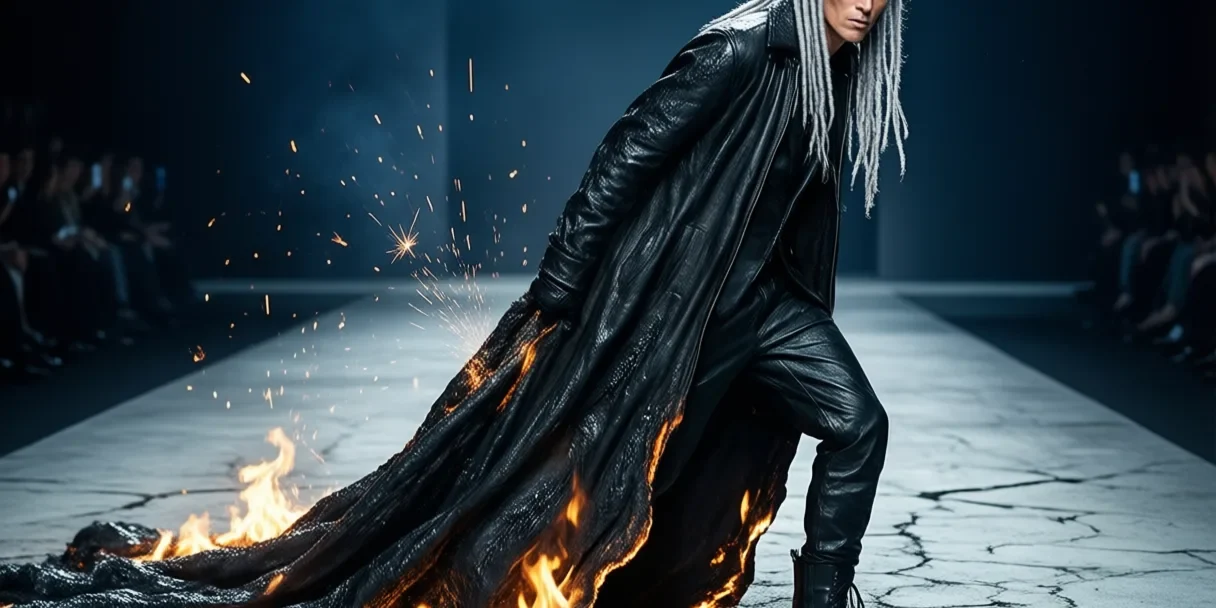
In a world where personal style increasingly reflects individuality, alternative fashion has emerged as a vibrant means of self-expression. The term encompasses a variety of looks that stray from mainstream trends, embracing creativity, identity, and cultural influences. From punk to goth, these styles not only break the conventional molds of fashion but also serve as powerful statements of personal identity.
Latest developments
Recent years have seen a resurgence in alternative fashion, fueled by social media platforms like TikTok and Instagram, where influencers share their unique aesthetics with engaged audiences. Styles previously relegated to niche subcultures are now reaching broader audiences, as mainstream brands begin to incorporate alternative elements into their collections. Collaborations between high fashion and alternative designers, as well as the increase in thrift shopping for retro pieces, have further propelled these styles into the spotlight. The COVID-19 pandemic also shifted fashion perspectives, leading to a more relaxed, individualistic approach. Consumers have shown a growing preference for authenticity and comfort, encouraging the rise of bold combinations and self-designed ensembles that both reflect personal taste and challenge traditional norms.
Background and context
Before the recent popularity surge, alternative fashion styles were often deeply rooted in subcultures that emerged throughout the 20th century. The punk movement of the 1970s, for instance, was characterized by rebelliousness, DIY aesthetics, and a rejection of mainstream societal norms. Similarly, the goth subculture, which took shape in the 1980s, embraced darker hues, romantic silhouettes, and elements of Victorian fashion. These movements were born from a need for self-identity and community among marginalized groups, paving the way for diverse styles that celebrate individuality.
Over time, alternative fashion began to blend with various cultural expressions. For instance, the emo subculture of the early 2000s introduced elements from punk and goth, focusing heavily on emotional expression through fashion. Today, styles like bohemian, cyberpunk, and cottagecore are also fiercely embraced, each telling its own unique narrative about identity and belonging. This rich tapestry reflects everything from regional cultural influences to commentary on contemporary societal issues.
What to watch next
As alternative fashion continues to evolve, it will be interesting to observe integration into even more facets of mainstream culture. Upcoming fashion weeks and exhibitions may spotlight these expressive styles, showcasing new artists and designers who are pushing boundaries. Keep an eye on collaborations between established brands and independent designers who amplify underground movements. Furthermore, the environmental impact of fast fashion is prompting many to embrace thrift culture and upcycling, which could lead to a more sustainable iteration of alternative fashion.
Ultimately, alternative fashion represents more than just clothing; it embodies a philosophy of embracing uniqueness and defying conformity. The ever-expanding spectrum of styles not only speaks to the personal journeys of those who wear them but also influences the broader conversation around identity, culture, and creativity in our society.
Original Source: https://www.twistedmag.com/alternative-fashion-styles-list/