
Latest developments
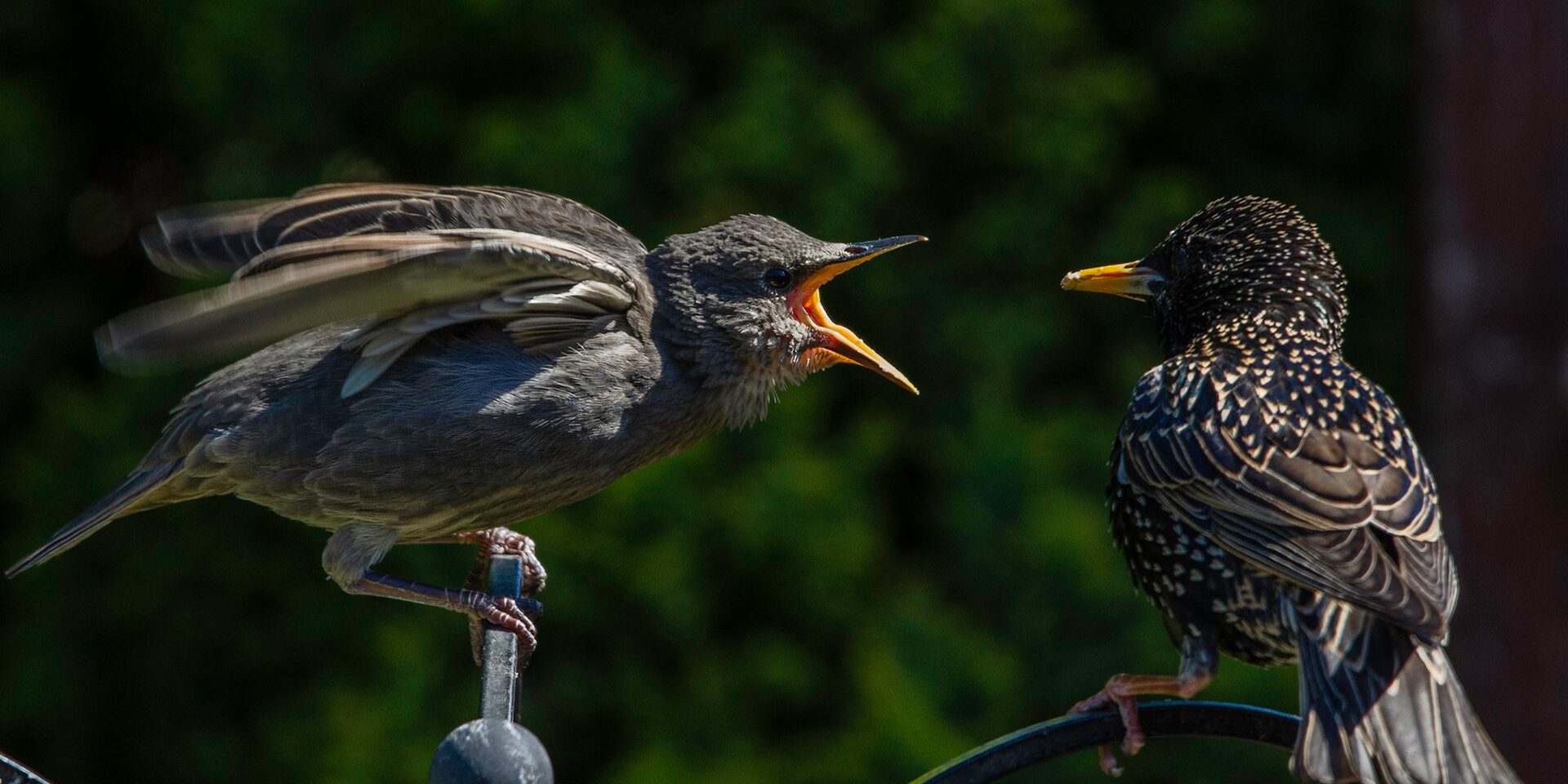
A recent study has shed light on the remarkable adaptability and resilience of the common starling, sparked by an unusual find: a box of dead starlings collected in a garbage bag. Researchers at the University of Illinois conducted detailed examinations of these specimens, revealing insights into the birds’ evolutionary strategies that have allowed them to thrive in diverse environments. The study emphasizes how factors such as diet, reproductive behavior, and social structures contribute to their success, particularly in urban areas where they often form large, noisy flocks. This startling discovery offers a glimpse into how starlings have managed to not only survive but flourish despite the rapid changes brought on by human activities and climate change.
Background and context
The common starling, native to Europe, was introduced to North America in the late 19th century and has since proliferated across the continent. Known for their striking plumage and impressive aerial displays, starlings are often regarded as pests due to their numbers and aggressive feeding behaviors. However, they are also admired for their remarkable communication skills and complex social interactions. Over the years, ornithologists have theorized that starlings possess unique evolutionary traits that enable them to adapt to shifting environments, including urban landscapes.
Recent ecological studies highlighted the impact of artificial light and urban noise on starling behavior, suggesting that these birds have evolved to take advantage of newly available resources. Despite their controversial status, it is undeniable that starlings exemplify success in adapting to rapidly changing habitats. The examination of the deceased starlings has provided concrete evidence of these theories, revealing the physiological and behavioral mechanisms underpinning their adaptability.
What to watch next
As researchers continue to analyze the findings from the box of starlings, the upcoming studies will likely focus on how environmental changes influence their population dynamics. Furthermore, investigations into their genetic makeup promise to yield fascinating insights into the evolutionary adaptations that have enabled starlings to thrive in diverse habitats.
Wildlife experts are now calling for increased monitoring of starling populations, particularly in urban areas, to better understand their ecological roles and potential impacts on local ecosystems. This research could also aid in the development of conservation strategies that address the challenges posed by invasive species while recognizing the remarkable adaptability of starlings. The knowledge gained from these studies may not only enhance our understanding of this ubiquitous bird but also provide broader implications for other species coping with environmental changes.
The newfound revelations about starlings serve as a reminder of the intricate connections between organisms and their environments, highlighting the need for ongoing research to unlock further secrets of their evolutionary success.