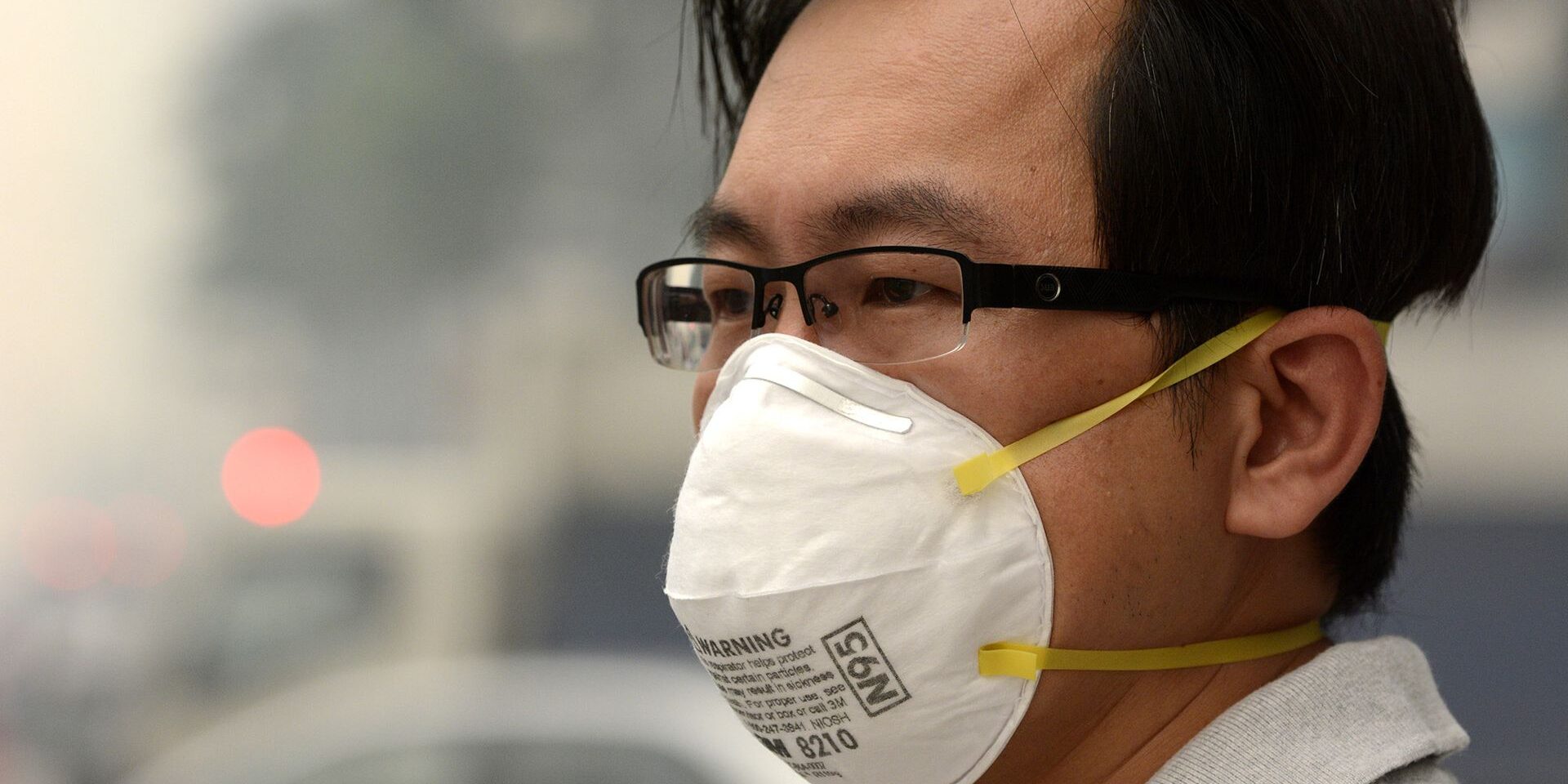
Recent research has established a concerning relationship between air pollution and an increased risk of developing eye diseases, particularly glaucoma. This study, conducted by a team at the University of California, found that long-term exposure to fine particulate matter (PM2.5) is significantly associated with the onset of glaucoma, underscoring the urgent need for public health interventions to address environmental quality.
What happened
The study analyzed data from over 100,000 participants across various urban areas with significant air pollution levels. Researchers tracked the incidence of glaucoma diagnoses and correlated them with air quality metrics, particularly levels of PM2.5, a pollutant often linked to vehicle emissions and industrial activity. The findings revealed that individuals living in areas with elevated PM2.5 levels had a markedly higher likelihood of developing glaucoma compared to those in cleaner environments.
Lead researcher Dr. James Wong stated, “Our findings suggest a uniquely direct route that might cause damage to the optic nerve, which is critical for vision.” The study adds to the growing body of evidence that poor air quality poses risks not only to respiratory health but also to vision.
Why it matters
Glaucoma, often referred to as the “silent thief of sight,” affects over 70 million people worldwide and is a leading cause of irreversible blindness. The relationship uncovered in this research is particularly alarming given the rising levels of air pollution in many urban areas, which could suggest a potential epidemic of eye health problems alongside existing respiratory concerns. This study highlights the need for a comprehensive approach to public health that includes the environmental factors contributing to chronic diseases.
Health experts are calling for immediate action to mitigate air pollution sources. “This research reinforces the crucial message that cleaner air is vital for public health,” said Dr. Sarah Lee, an ophthalmologist and environmental health advocate. “Not only can it help reduce respiratory diseases, but it may also protect our vision, which is something we should all prioritize.”
What comes next
As cities around the globe grapple with air quality challenges, this research serves as a clarion call for action. Policymakers are encouraged to consider stricter regulations on emissions and to promote green urban planning strategies. Meanwhile, ongoing studies are expected to explore the biological mechanisms linking PM2.5 to glaucoma, with researchers hopeful that this will lead to potential therapeutic strategies to protect eye health.
The immediate next steps will involve further epidemiological research to confirm these findings and investigate other environmental factors that may contribute to eye diseases. Public health campaigns highlighting the risks of air pollution on eye health will also likely emerge, emphasizing personal and community actions to combat air quality degradation.
As more cities experience increases in air pollution due to climate change and urbanization, the intersection of environmental health and public awareness will remain a critical focus for scientists and health professionals alike.