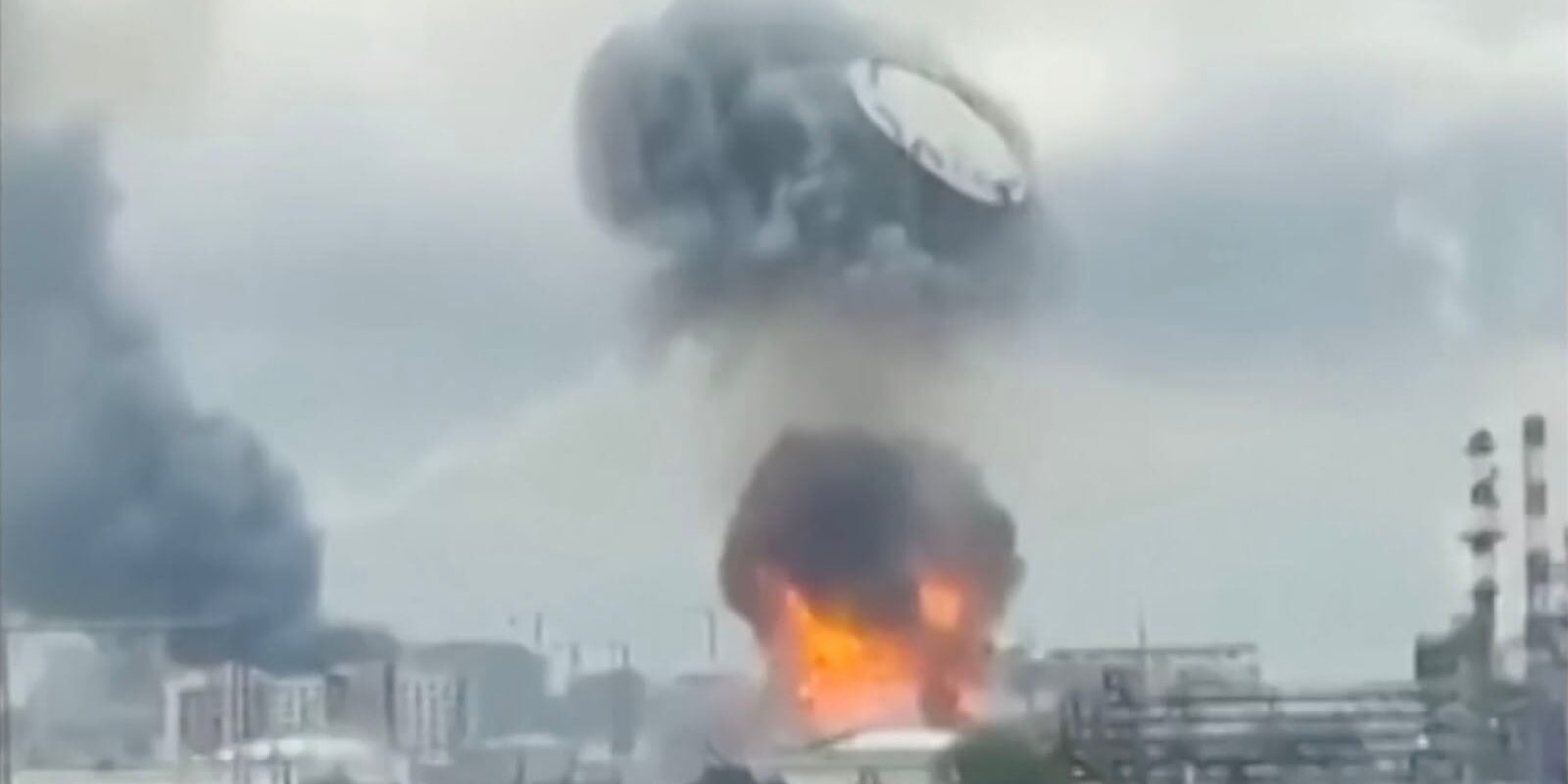
In an unprecedented move, the authorities in Moscow have implemented a ban on citizens sharing images and videos of drone strikes occurring within Russian territory. This decision follows a notable increase in aerial attacks, particularly targeting military and critical infrastructure sites.
What happened
The ruling comes amidst a spate of drone strikes that have raised concerns regarding both security and public transparency. Over the past few months, incidents of aerial attacks have surged, prompting the Kremlin to enhance its regulatory measures. Official statements indicate that the restriction aims to maintain public order and prevent the spread of misinformation.
Authorities have warned that violations of the ban could lead to severe penalties, including fines or even jail time. This crackdown positions itself within a broader context of tightening controls on media and public expression in response to ongoing tensions linked to the conflict in Ukraine.
What it means for readers
For individuals in and around Moscow, this new regulation will shape how news and information about drone strikes are disseminated. Traditionally, social media platforms have served as critical tools for citizen journalism, enabling eyewitness accounts and visual documentation of significant events. The prohibition not only curtails personal expression but also limits the ability of civilians to share real-time updates with broader audiences.
Furthermore, this restriction raises questions about government transparency and accountability. With the state’s clampdown on information dissemination, the public’s access to comprehensive and accurate news may be compromised. This could lead to a reliance on official government narratives, potentially skewing public perception about incidents and their implications.
What happens now
Going forward, observers will be closely monitoring the enforcement of this ban and its effects on public discourse. It remains to be seen how citizens will react to such restrictions, as many may seek alternative ways to document and share their experiences. The digital landscape could see shifts in how information is shared, with some citizens potentially utilizing encrypted platforms or VPNs to bypass restrictions.
The implications of these developments extend beyond the immediate crisis, further highlighting a pattern of increasing censorship within Russia. Human rights advocates have decried the move as part of a broader trend aimed at stifling dissent and controlling narrative, especially as the war continues to reshape life in Moscow and beyond.
The takeaway for readers is clear: The ban on sharing drone strike images reflects a significant escalation in governmental control over information within Russia. As the situation evolves, it will be crucial to seek diverse sources of information to fully understand the implications of such a restrictive environment.
Original Source: https://petapixel.com/2026/06/23/moscow-citizens-banned-from-sharing-photos-of-drone-strikes-as-attacks-increase-inside-russia/