Deep within the dense foliage of the Mexican jungle, a team of archaeologists has uncovered a lost Maya city that could provide critical insights into the civilization just before its collapse. This discovery offers a unique glimpse into the societal, religious, and environmental dynamics that may have contributed to the Maya’s dramatic decline.
What happened
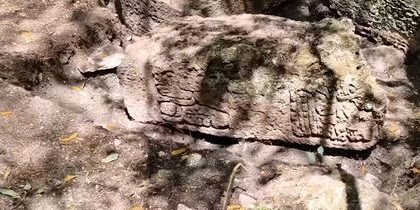
The archaeological site, located in the southern state of Chiapas, was first identified through aerial surveys utilizing LiDAR (Light Detection and Ranging) technology. This technology has transformed the field of archaeology, allowing researchers to map structures hidden beneath the dense canopy of tropical forests. Excavations at the site revealed multiple temples, residential areas, and intricate water management systems that showcase the complexity of Maya urban planning.
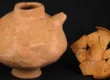
Preliminary findings suggest that this city thrived during the Late Classic Period (approximately 250-900 AD), a time marked by significant advancements in art, architecture, and astronomy. The structures date back to a key era for the Maya civilization when it was at its peak but also on the verge of a decline. The architecture, along with pottery fragments and ceremonial items found, indicates a highly sophisticated society that possessed advanced knowledge of agriculture and water conservation—but perhaps struggled with environmental challenges.
What it means for readers
This discovery holds critical implications for understanding the factors that led to the downfall of the Maya civilization. Despite their advancements, many Maya cities experienced a decline during a period of severe drought and resource strain. The artifacts and remains unearthed in this newly discovered city may provide insights into how the Maya adapted to or failed to cope with these challenges.
For readers, this research not only enriches our understanding of the ancient Maya culture—their achievements and shortcomings—but also serves as a cautionary tale about modern civilizations facing climate change and resource scarcity. The lessons learned from the past can guide contemporary societies in addressing similar issues today.
What happens now
As excavations continue, researchers plan to conduct comprehensive studies on the site’s infrastructure and its environmental context. The team aims to assess how this city managed its resources and whether it faced similar challenges to other Maya cities that eventually collapsed. These findings could reshape our understanding of urban resilience and sustainability in ancient societies.
Moreover, collaboration with local communities and stakeholders will be crucial in preserving the site for future research and tourism. As interest in Maya history grows, efforts will be made to ensure that local populations benefit from the cultural heritage being uncovered.
In conclusion, the discovery of this lost Maya city in the Mexican jungle is not just an archaeological find; it is a key that may unlock explanations for the ancient civilization’s collapse. Through careful study, we might uncover lessons relevant to contemporary global challenges, emphasizing the need for sustainable practices in our own societies.