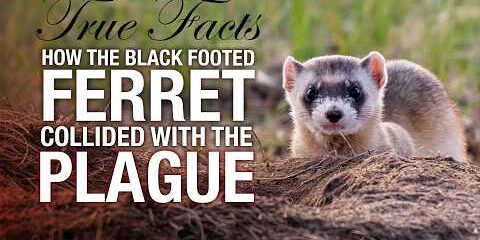
The black-footed ferret, a North American endangered species, is grappling with a resurgence of bubonic plague, prompting wildlife conservationists to step in for protective measures. This critical issue concerns not only the ferrets’ immediate habitat but the broader ecosystem as well.
Background and context
Once thought extinct, the black-footed ferret (Mustela nigripes) was brought back from the brink in the 1980s through a successful captive breeding program. These small carnivores, native to the grasslands of the Great Plains, primarily rely on prairie dogs as their main food source. While they have made a modest recovery thanks to dedicated conservation efforts, they remain classified as endangered, with the latest estimates indicating a population of around 400 individuals in the wild.
Bubonic plague, caused by the bacterium Yersinia pestis, is a well-documented disease that has historically wreaked havoc in both human and wildlife populations. The disease primarily affects rodents and can be transmitted through fleas, which are abundant in prairie dog colonies. When prairie dog populations decline due to plague outbreaks, the black-footed ferrets suffer a corresponding decline in their food supply, making them particularly vulnerable.
Latest developments
In light of recent events, wildlife experts have noted an uptick in plague cases among rodent populations in areas inhabited by black-footed ferrets. According to the U.S. Fish and Wildlife Service, outbreaks have been reported in several prairie dog colonies within the ferrets’ known range. As a response, conservationists are collaborating with local health departments and wildlife agencies to implement measures aimed at mitigating the impact of the disease.
Recent strategies include vaccination of prairie dogs against plague, which has shown some effectiveness in reducing mortality rates within colonies. In addition, teams are monitoring ferret populations closely for any signs of illness, enabling them to act swiftly should an outbreak occur. The focus is not only on the immediate health of the ferrets but also on preserving the integrity of their habitat.
What to watch next
As conservation efforts continue, the black-footed ferret’s situation highlights the complex interdependence between wildlife health and environmental factors. Future decisions will likely center around increased funding for vaccination programs and more robust habitat protection measures to enhance the resilience of both prairie dogs and ferrets against plague.
Monitoring the effectiveness of these vaccination efforts will be crucial in determining whether they will be scalable to larger areas. Additionally, public awareness campaigns may help educate local communities about the importance of these species and the need for continued conservation actions as they navigate the threat of disease. With proactive strategies and community support, there is hope for safeguarding the future of the black-footed ferret in its native grassland ecosystem.
Original Source: https://www.neatorama.com/2026/06/27/Black-footed-Ferrets-Need-Protection-from-Bubonic-Plague/