
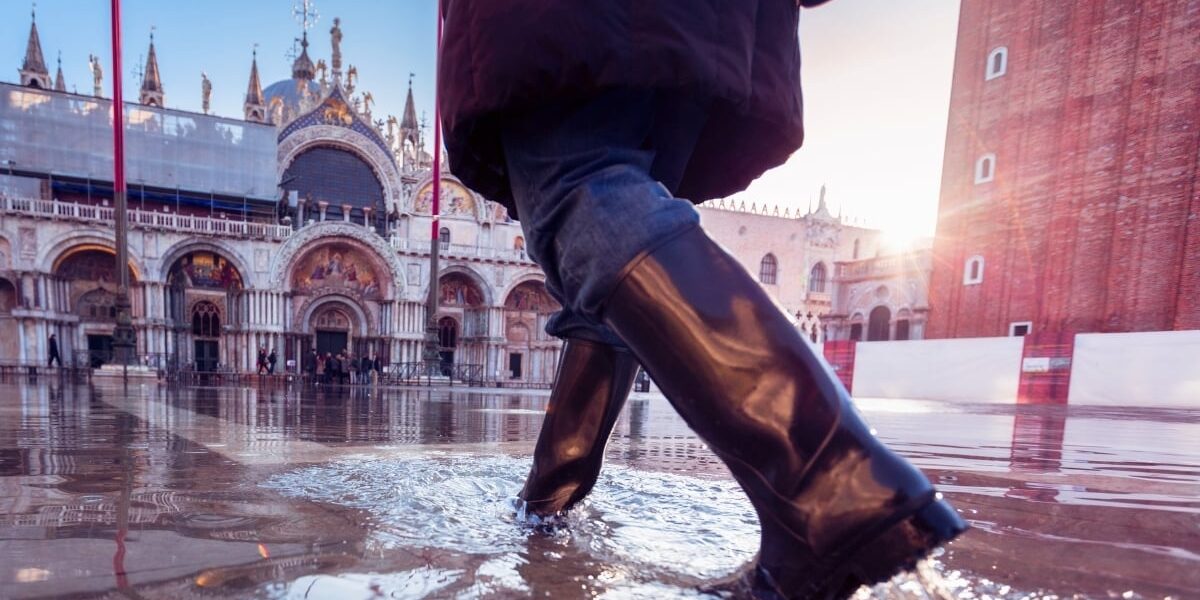
The world-renowned city of Venice teeters on the brink due to rising sea levels, attracting attention from scientists and environmentalists alike. In a recent publication, researchers unveiled four stark options aimed at safeguarding this cultural gem from the relentless encroachment of water. Reactions from the public and industry stakeholders have been swift and varied, reflecting both concern for Venice’s future and recognition of the urgent need for action.
Immediate reaction
Since the announcement, discussions have erupted on social media platforms, where locals and global citizens alike have voiced their fears and hopes. Many Venetians expressed a mix of skepticism and cautious optimism, acknowledging the historical challenges the city has faced with flooding but yearning for innovative, practical solutions. Environmental organizations have seized the moment to amplify their calls for sustainable policies that prioritize both restoration and preservation of Venice’s unique architecture and cultural heritage.
Tourism operators, a backbone of the local economy, have also reacted. They fear that without immediate and effective measures, a decline in tourism could lead to economic instability. Travel industry experts are already strategizing on ways to attract visitors despite potential disruptions, emphasizing the importance of Venice as a UNESCO World Heritage site. Some tour operators have shifted their marketing to highlight sustainable traveling practices while adapting itineraries that consider seasonal flooding.
What triggered the move
The urgent need for these proposals arose from the alarming predictions regarding climate change and its ramifications for coastal cities. Venice, particularly susceptible to rising sea levels due to its geographical makeup of islands and canals, has seen record flooding in recent years. Storm surges and increasingly frequent “acqua alta” events have pushed the city’s infrastructure to its limits. This has galvanized scientists and policymakers to seek viable solutions that balance heritage preservation and modern engineering.
The four options presented range from constructing extensive flood barriers to implementing natural solutions such as wetlands restoration. Each solution carries its own set of implications for the environment, tourism, and the local economy. The complexity of these plans has prompted a widespread dialogue about the long-term sustainability of Venice as a living city, rather than just a relic. City officials are now under pressure to not only choose a solution but also ensure its implementation aligns with the community’s needs and environmental guidelines.
Why readers should care
The fate of Venice extends beyond its canals and cobblestone streets; it serves as a portent for other coastal cities facing similar environmental threats. As climate change increasingly affects global weather patterns, the challenges encountered by Venice could become commonplace. The scientific proposals encourage readers to consider their role in advocating for policies that mitigate climate change and promote sustainability.
In the short term, the urgency surrounding these proposals may lead to increased funding and collaborative efforts between governments, scientists, and local communities. However, these discussions must translate into actionable solutions to ensure Venice not only survives but thrives amidst the tides of change. The preservation of this iconic city could set important precedents for global responses to environmental crises, reminding us that while history is steeped in bricks and mortar, the future can still be forged with innovative thinking and collective effort.
Original Source: https://www.sciencealert.com/scientists-reveal-4-stark-options-for-saving-venice-from-rising-seas