
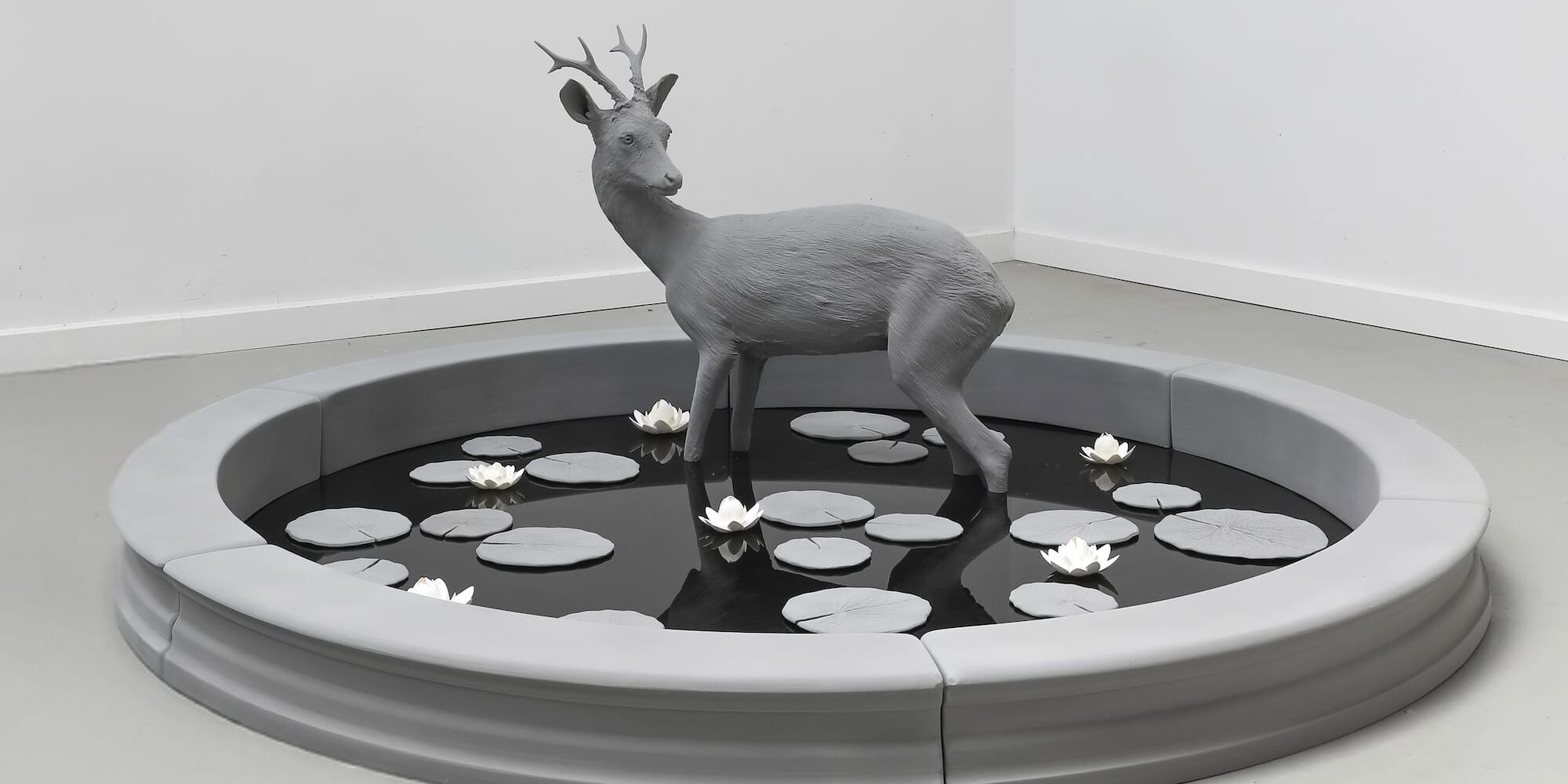
Hans Op de Beeck, a contemporary Belgian artist, has unveiled his latest project, “Vanishing Point,” a thought-provoking exploration of memory, time, and enigma. This ambitious endeavor features a multi-faceted installation that invites viewers into a realm of introspection and emotional resonance. Op de Beeck is known for his ability to capture ephemeral feelings and fleeting moments, and “Vanishing Point” exemplifies his mastery of these themes.
Latest developments
The exhibition, which opened recently at a prominent art gallery, combines various mediums, including sculpture, video, and painting. Visitors are greeted with an immersive environment designed to evoke memories and a sense of nostalgia, prompting them to ponder the passage of time and its impact on personal and collective histories. Among the standout elements is a series of shadowy figures, cast in muted colors, which seem to emerge and dissolve as one moves through the space. This aims to reflect the intangibility of memories and how they can fade into the background over time.
Op de Beeck’s approach employs the concept of the “vanishing point” both as an artistic technique and a metaphor. The vanishing point in art signifies a point where parallel lines converge, often representing a distant horizon. This concept is paralleled in the emotional landscapes of the exhibition, where viewers explore their own reflections on loss, identity, and the ungraspable nature of time. Early responses from critics highlight the powerful engagement with these themes, noting how the installation prompts deeply personal reflections, making it more than just a visual experience but a contemplative journey.
Background and context
Op de Beeck, who has been active in the art scene for over two decades, has established a reputation for creating works that provoke dialogue about the human experience. His previous installations often draw upon personal narratives intertwined with broader socio-cultural themes, allowing viewers to connect intimately with his work. Over the years, his art has traversed various domains, including large-scale installations, film, and photography, all of which are imbued with a sense of quiet contemplation.
The artist’s fascination with memory and time is not new; it has been a recurring motif throughout his oeuvre. In earlier works, he often showcased installations designed to evoke a sense of nostalgia, prompting viewers to grapple with their recollections. Notable projects like “The Black Room” and “The Reflections” also examined how memories shape identity and perception through atmospheric environments. Thus, “Vanishing Point” emerges as a natural evolution of his artistic inquiry, allowing him to further delve into these interconnected themes.
What to watch next
As “Vanishing Point” continues to capture the attention of the art community, observers are eager to see how this exhibition influences Op de Beeck’s future work. There is anticipation regarding whether he will expand upon this exploration of memory and time, possibly collaborating with other artists or integrating new technologies into his installations. Additionally, the conversation around how contemporary art can facilitate discussions about personal and collective memory is expected to deepen, with Op de Beeck’s work at the forefront.
For art enthusiasts and casual viewers alike, visiting “Vanishing Point” offers a poignant opportunity to reflect on the layers of memory and the ways in which time shapes our understanding of
Original Source: https://www.thisiscolossal.com/2026/09/hans-op-de-beeck-vanishing-point-sculptures/