The latest turn
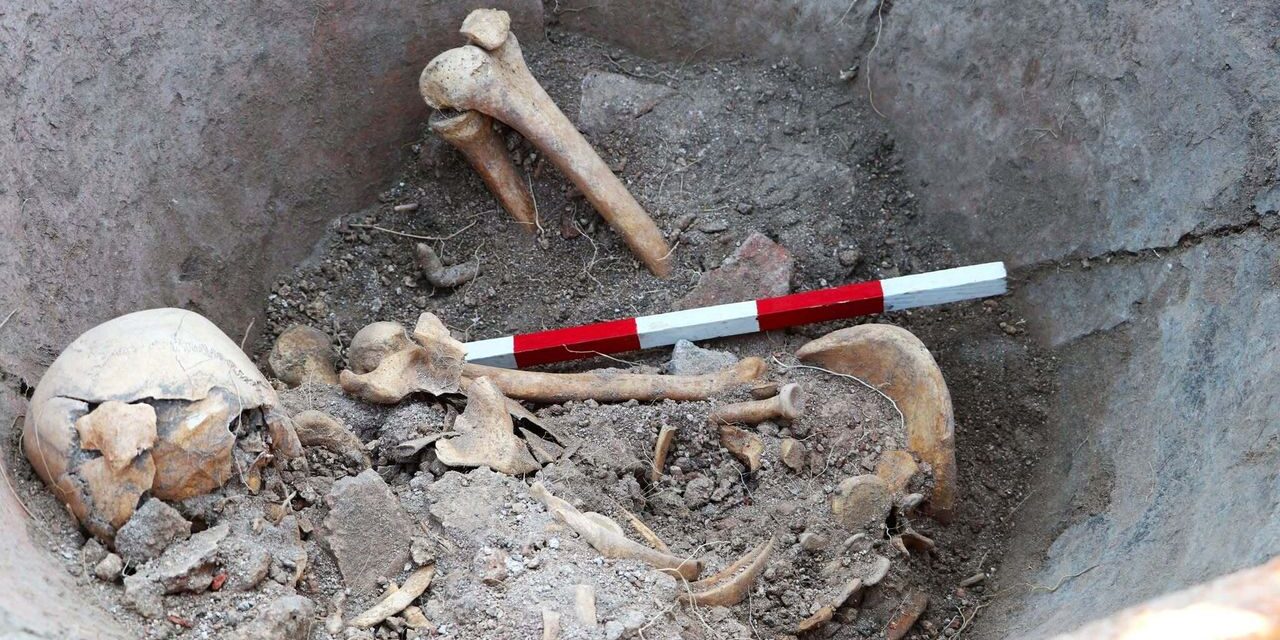
Recent archaeological excavations in Bulgaria’s ancient city of Stara Zagora have led to an extraordinary discovery: a 1,600-year-old skeleton found within a large jar, believed to be a remnant of the Roman era. The skeleton’s position and surrounding artifacts indicate it may belong to a Roman individual who sought refuge from an enemy onslaught.
Researchers are currently analyzing the remains and surrounding context. They speculate that the person might have climbed into the jar, perhaps in a moment of panic, to escape capture or death. The finding has garnered significant interest among historians and archaeologists, shedding light on the tumultuous nature of the Roman Empire’s borders during the times of invasion.
How the story got here
The site where the skeleton was found is rich in historical significance, situated near the ancient route that connected Thrace and the Roman Empire. Over the years, this area has yielded numerous artifacts, but the discovery of a complete skeleton encased in a jar marks a significant milestone in the study of burial practices and survival tactics during the Empire’s decline.
Excavations began earlier this month as a part of a larger initiative to explore the remnants of Roman occupation in the region. The jars, often used for storage, have typically been associated with domestic life, making this discovery particularly rare and noteworthy. Experts believe the skeleton is from the early 5th century, a time when various tribes were crossing into Roman territories, causing widespread fear and chaos.
The condition of the skeleton suggests a sudden death, with researchers hypothesizing that the individual might have attempted to hide during an attack. This incident reflects the broader narrative of the time, where many found themselves caught between the collapse of Roman authority and the rise of barbarian invasions.
Next expected developments
As excavations continue, archaeologists hope to uncover more details, including additional artifacts or evidence that may provide insight into the life and circumstances of this individual. Radiocarbon dating and advanced forensic analysis will be employed to further understand the skeletal remains and establish a more precise timeline of events during this turbulent period.
Future updates will likely include results from lab analyses and studies assessing the health and lifestyle of the individual. Additionally, local heritage agencies are poised to enhance educational outreach based on findings, showcasing how such discoveries profoundly shape our understanding of history.
As researchers work diligently, the story promises to unfold further, potentially revealing the broader implications of personal survival during a time of great societal upheaval. With each new layer of discovery, the ancient whispers of Stara Zagora beckon us to listen closely to the lives that once traversed its streets.