
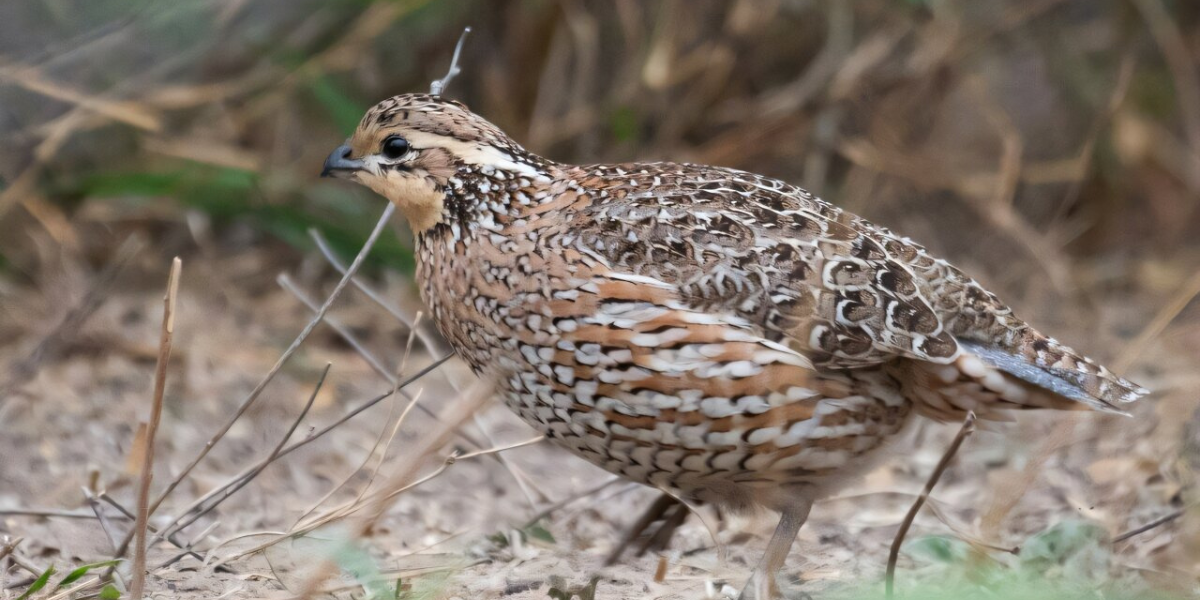
Recent research suggests that bird feathers may play an unexpected role in thermoregulation by dissipating heat into space. This finding, which emerges from an innovative study conducted by engineers, challenges traditional understandings of avian biology and offers insights that could influence both natural sciences and engineering disciplines.
Key details
Engineers at a prominent research institution used advanced thermal imaging technologies to observe how feathers interact with environmental temperatures. Their observations indicate that the microstructure of bird feathers enhances the feathers’ ability to release heat into the cooler atmosphere, effectively acting as a thermal management system. This process relies on a combination of factors, including the feathers’ color, shape, and intricate structure, which together facilitate efficient heat transfer.
The significance of this finding is underscored by its potential applications. In nature, birds rely on this mechanism to maintain their body temperatures in varying climates, allowing them to adapt and thrive in diverse environments. The study suggests that by mimicking this natural design, engineers could develop advanced materials for thermal regulation in technology and architecture, optimizing energy use and improving comfort.
Why this matters
This discovery holds implications across multiple fields. For biologists, it raises new questions about evolutionary adaptation and the interplay between form and function in feathered species. Understanding how ecosystems evolve such mechanisms can shed light on ecological health and species resilience in a changing climate.
In the realm of engineering, the potential applications are equally compelling. If thermal management can be improved by inspired designs based on feather structures, industries like aerospace and construction could experience substantial advancements in energy efficiency. For example, building materials that mimic the thermal properties of feathers could lead to reduced heating and cooling costs in urban settings.
Broader picture
The broader implications of this research extend into environmental science and the ongoing quest for sustainability. With the global focus shifting toward reducing energy consumption and carbon footprints, nature’s solutions, like those found in bird feathers, may offer pathways to eco-friendly innovations. As scientists and engineers build upon these findings, there is an opportunity to bridge biological and technological disciplines, potentially leading to new methodologies for addressing the pressing issues of climate change.
As we integrate natural designs into technological frameworks, the lessons learned from avian biology could pave the way for breakthroughs that enhance energy efficiency while further unravelling the complexities of natural systems. Further research will be needed to translate these findings into practical applications, but the prospect is both exciting and critical in the current ecological context.
Original Source: https://www.sciencealert.com/bird-feathers-may-shed-heat-into-space-engineers-explain