A woman in the UK has become the center of unusual medical attention after health professionals reported that she expelled what appeared to be small worms from her nose. This baffling incident has prompted further investigation into the nature of her condition, which has been described as “biologically implausible” by experts, raising significant questions about diagnosis and treatment.
What happened
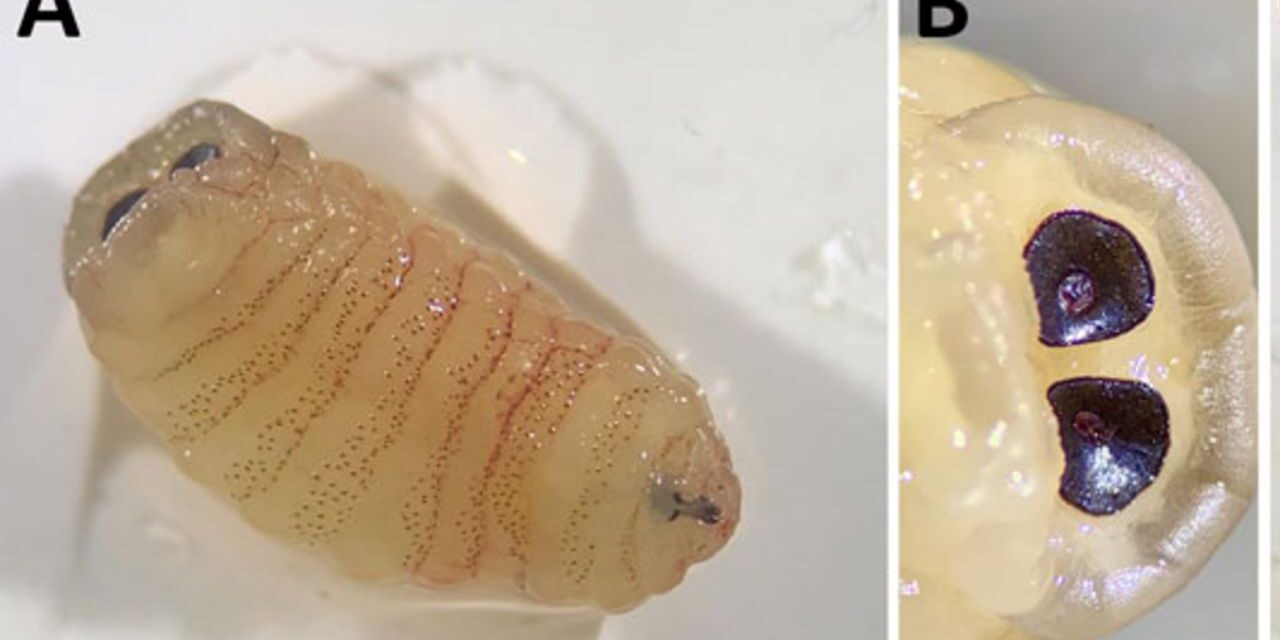
The patient sought medical help after experiencing persistent nasal congestion and irritation. Upon examination, physicians were shocked to hear her describe the sensation of something moving within her nasal passages. This led to a further evaluation, where she reportedly sneezed out what she believed were worms. Laboratory tests are currently being conducted to determine the biological composition of these expulsions, with preliminary observations showing they do not conform to any known parasitic infections.
Medical professionals have noted that the symptoms are bizarre and atypical, with the woman presenting no other telltale signs of parasitic infestation. Reports from her health visits indicate that she has no history of traveling to areas known for endemic parasitic infections, which complicates the situation further.
Why it matters
This case underscores the complexity of diagnostic medicine, particularly when faced with symptoms that challenge established medical knowledge. Many health professionals express concern that such odd presentations could lead to misdiagnosis or improper treatment. Dr. Emily Ward, a consultant microbiologist, emphasized, “This incident highlights the need for vigilance and critical thinking in clinical assessments, as well as the limitations of our current understanding of human parasitology.”
Additionally, this episode raises broader questions about global health trends. With increased globalization and ecological changes, unusual cases like these may become more common as old diseases emerge in new environments. The case has also sparked conversations among the medical community regarding protocols for investigating similar unexplained cases, as inaccurate assumptions could lead to public health issues.
What comes next
As the investigation proceeds, further tests are anticipated to clarify the nature of the expelled substances. The medical team is collaborating with parasitologists and infectious disease specialists to explore potential explanations, including rare environmental factors or other medical anomalies. Results from the ongoing laboratory tests are expected to be released in the coming weeks, which may provide essential insights that could reshape current diagnostic models for unusual infections.
Moving forward, both the medical team and the woman herself remain vigilant. While her symptoms have sparked intrigue within the medical community, the focus remains on her health and well-being. The incident serves as a reminder of the importance of patient narratives in diagnosing conditions and could influence how similar unexplained symptoms are approached in the future.