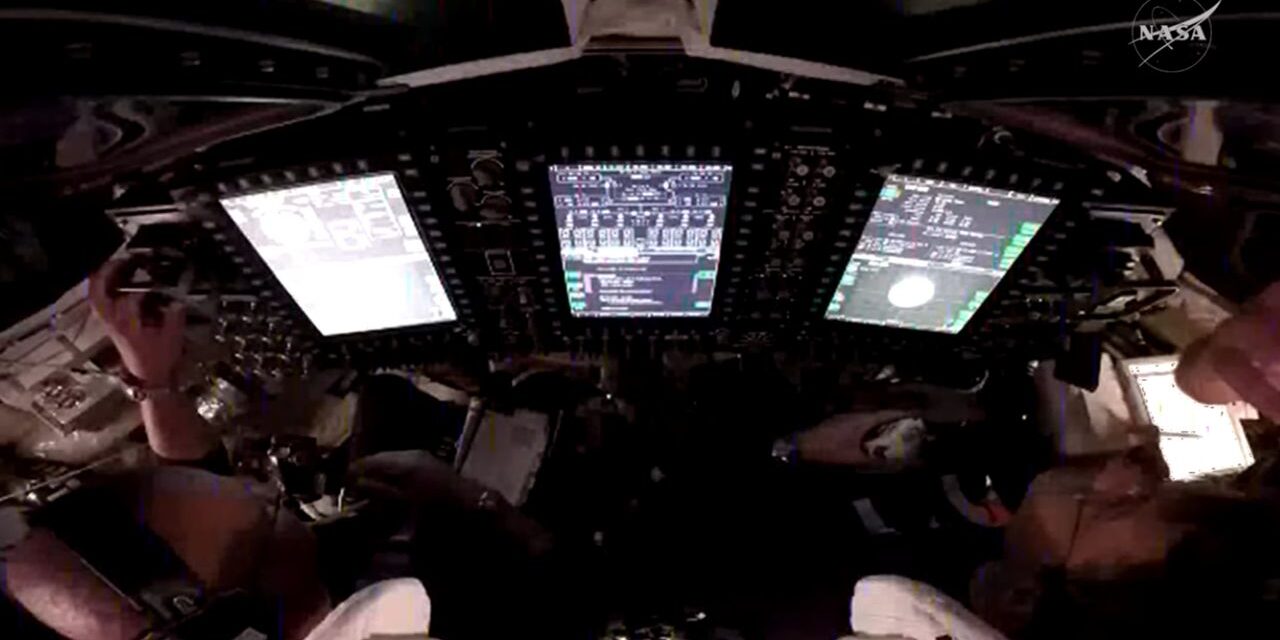
In a spectacular display of scientific prowess and human fortitude, NASA’s Artemis II mission has successfully left Earth’s orbit, embarking on its ambitious lunar expedition. This marks a monumental leap in human space exploration, bringing mankind one step closer to setting boots on the moon once again and even stepping further into the mysterious expanse of our universe.
Artemis II, a mission years in the making, is being closely watched by millions around the globe. The trip to the moon intends to showcase humanity’s unyielding spirit of discovery and understanding about lunar science, technology, and, ultimately, the capacity for human interplanetary living.
Armed with cutting-edge technology and a significant payload, the spacecraft left the Earth’s atmosphere amid much fanfare, capturing the world’s attention and marking a new era in lunar exploration. The sight of Artemis II entering space epitomizes not only American ambition and prowess but also global hope and curiosity about our universe’s grand design.
Based on recent reports, the spacecraft flawlessly executed its orbital exit maneuver, further validating NASA’s confidence in the Artemis II mission’s success. The spacecraft’s course will take it around the moon, providing valuable data about the lunar surface and significantly contributing to NASA’s understanding of our celestial neighbor.
Online spectators have flocked to various platforms to witness this historical event. Not only scholars and enthusiasts but also ordinary people are deeply riveted, keeping tabs on Artemis II’s progress, and sharing their anticipation on social media. The global fascination in this mission is evident, highlighting the universal human longing for exploration and discovery.
NASA’s Artemis II mission is more than just a lunar endeavor; it is a monumental step towards future manned Mars missions, laying crucial groundwork for upcoming interplanetary voyages. NASA aims to use this mission as a stepping stone, setting precedents and deriving valuable lessons for more complex interplanetary missions in the near future.
Unlike the Apollo missions of yesteryears, Artemis II is far more than just planting a flag and leaving footprints. It involves conducting a range of scientific experiments and laying the groundwork for establishing a sustained human presence on the moon. The Artemis II mission, said to be the most ambitious lunar mission since Apollo, aims to set the stage for Artemis III, which plans to send astronauts to the moon by 2024.
The mission’s success also holds significant geopolitical ramifications. Artemis II’s departure symbolizes not just a triumph for NASA, but also a victory for international collaboration, as multiple nations have contributed resources, expertise, and efforts to this mission. At a time of global division and misunderstanding, Artemis II stands as a testament to what united, cooperative endeavors can achieve.
Just half a century ago, humanity took its first steps onto an extraterrestrial body – the moon. Today, humans are on the brink of a new era of lunar exploration and understanding, an era inaugurated by the brave voyages of missions like Artemis II. As we watch this technological marvel traverse the cosmos, we’re not just witnessing the accomplishments of an elite group of scientists and engineers, but the collective triumph of humankind.
As Artemis II officially exits Earth’s orbit, the world watches in awe and anticipation. This lunar voyage speaks volumes about humanity’s unwavering spirit for exploration and unrelenting quest for understanding. It represents a significant milestone in our collective journey into the cosmos, highlighting our growing capabilities and aspirations for space exploration. In every sense, Artemis II’s journey to the moon symbolizes a journey into our future.
Original Source: https://www.livescience.com/space/space-exploration/artemis-ii-officially-leaves-earths-orbit-on-the-way-to-the-moon