
What happened
A potent Kelvin wave, energized by an ongoing super El Niño, is currently impacting ocean conditions off the California coast. This atmospheric phenomenon consists of large waves of warm water that travel along the equator, and it can disrupt typical currents and sea temperatures. Experts say this specific wave has the potential to raise sea levels significantly, compounding the effects already seen due to climate change.
The combination of elevated ocean temperatures and the influx of warm water has already been observed in satellite data. Scientists at the National Oceanic and Atmospheric Administration (NOAA) have noted that this Kelvin wave could influence sea level fluctuations for several months, creating both short-term and long-lasting effects.
What it means for readers
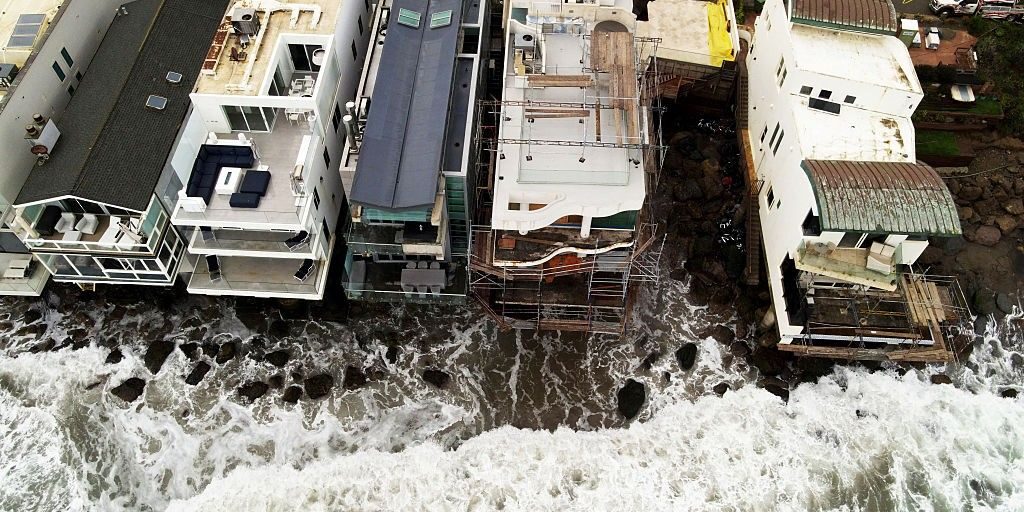
For residents along the California coast, the immediate effects include increased risk of flooding—particularly in low-lying areas. As sea levels rise, storm surges and high tides can lead to coastal erosion and more frequent inundation of properties. Areas already vulnerable to flooding may experience exacerbated conditions during the peak of the wave.
This situation is especially concerning given that California’s coastline is home to numerous communities, businesses, and ecological habitats. Environmentalists warn that heightened sea levels could also impact local wildlife, disrupt marine ecosystems, and damage critical habitats like wetlands.
Moreover, while homeowners should prepare for potential flooding, local governments may need to reevaluate their coastal management strategies. Resources for disaster preparedness and infrastructure upkeep will become ever more important as cities assess their vulnerabilities.
What happens now
As this Kelvin wave unfolds, scientists will closely monitor its impact on sea levels and ocean temperatures. The National Oceanic and Atmospheric Administration is deploying models and tools to forecast changes, giving local governments and residents critical information for decision-making.
In the meantime, individuals living along the coast should consider taking proactive measures. Staying informed about weather warnings, being aware of local resources for flood assistance, and preparing emergency plans can greatly mitigate risks. Coastal communities may also want to discuss initiatives for improving drainage infrastructure, restoring wetlands, and implementing gradual retreat strategies from riskiest coastal zones.
Ultimately, while this Kelvin wave represents a temporary condition, it serves as a stark reminder of the ongoing challenges posed by climate change and the need for continued adaptation and resilience in coastal planning.