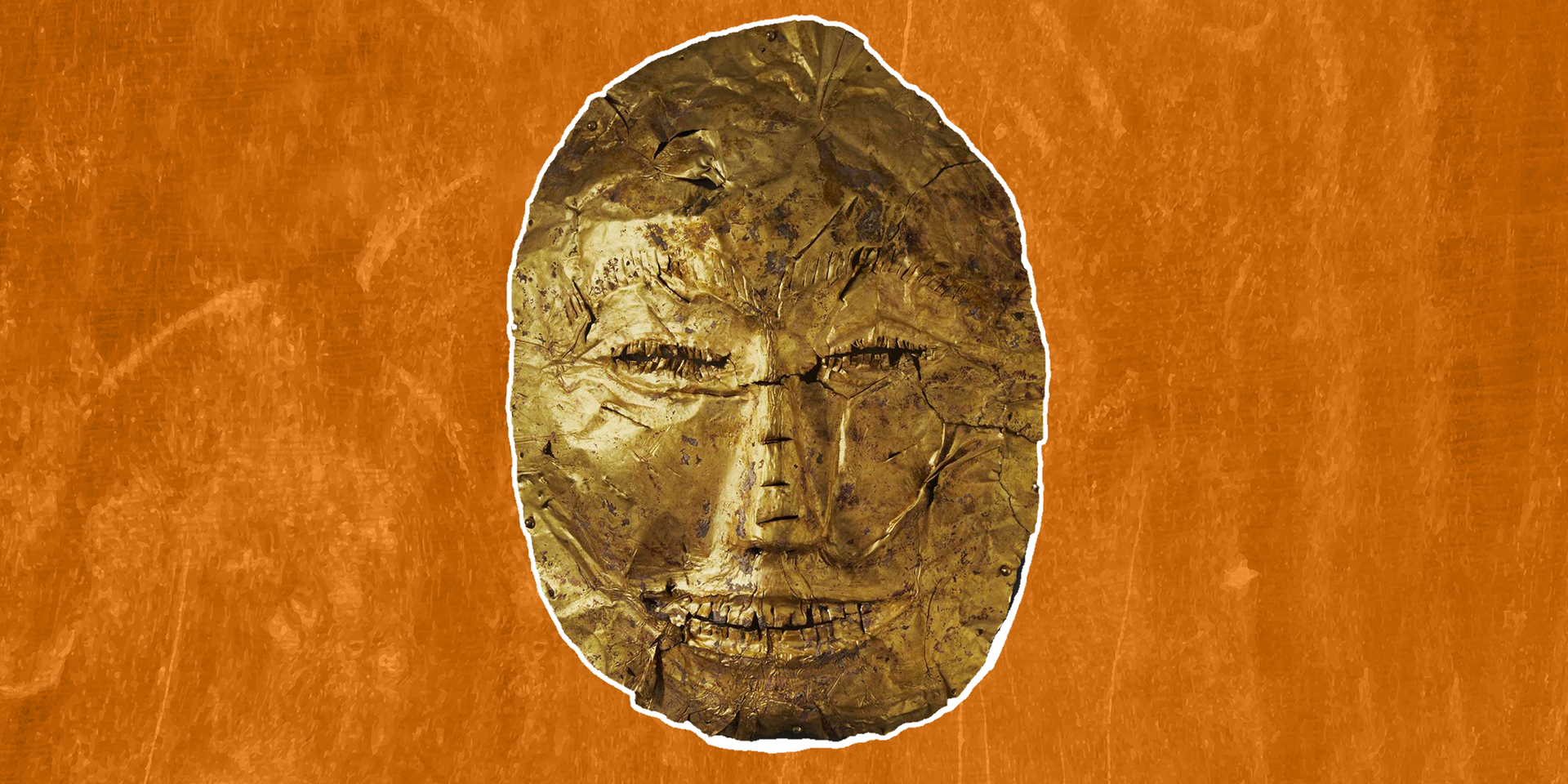
The discovery of a stunning 2,000-year-old gold funeral mask has unveiled new perspectives on ancient burial practices aimed at preventing negative interactions between the living and the deceased. This artifact, believed to be from the Roman period, was designed not just as a ceremonial piece but as a protective measure against the wrath of unsettled spirits.
What happened
The mask was found during excavations in an ancient burial ground in modern-day Turkey. Archaeologists uncovered it alongside other grave goods, providing invaluable insight into the beliefs and rituals surrounding death in the region. Made of gold and intricately designed, the mask closely resembles the physical features of the deceased individual.
Experts speculate that the mask’s primary purpose was to mislead the spirit of the deceased. By presenting a distorted version of the individual’s likeness, the mask served to confuse the spirit, rendering it less likely to return to haunt the living. This practice reflects a broader cultural phenomenon in various ancient civilizations, where elaborate measures were taken to ensure a peaceful transition to the afterlife.
The mask’s striking craftsmanship indicates that it was meant to exalt rather than diminish the status of the deceased. Its find adds to the growing body of evidence that suggests funerary customs were influenced both by societal hierarchy and spiritual beliefs.
What it means for readers
This discovery serves as a rich reminder of the complexities surrounding human beliefs about life, death, and the afterlife. Many cultures throughout history have exhibited similar fears regarding spirits that linger after death, which often influenced their burial practices.
For contemporary readers, the mask emphasizes the timeless human concern with mortality and the unknown that follows. While the specifics of ancient practices may differ from modern customs, a shared desire for peace and protection from the unknown continues to resonate in today’s societal behaviors. It encourages contemplation on how communities cope with loss and their perceptions of an afterlife.
Additionally, this finding should prompt a reflection on the significance of cultural artifacts. Such items tell stories that transcend time, linking past beliefs to modern understandings, thereby shaping our perspectives on death and remembrance.
What happens now
The next steps for this significant archaeological find involve further analysis to understand better its cultural and historical context. Researchers will likely conduct studies on the materials used in the mask’s construction and any additional grave goods found with it. This will help reconstruct ancient burial practices and offer insights into the social structures of the era.
Moreover, the mask will likely become part of exhibitions dedicated to ancient Roman life, attracting attention and fostering discussions about beliefs surrounding death and the afterlife. For those interested in archaeology and history, these developments provide an opportunity to explore the nuances of ancient cultures and their enduring questions regarding existence beyond life.
Ultimately, the gold funeral mask serves as a fascinating window into the past, providing modern audiences with a tangible connection to the fears, rituals, and artistic expressions of our ancestors. Understanding these artifacts can enrich our appreciation for history and its lasting impact on present-day attitudes towards death.