
Latest developments
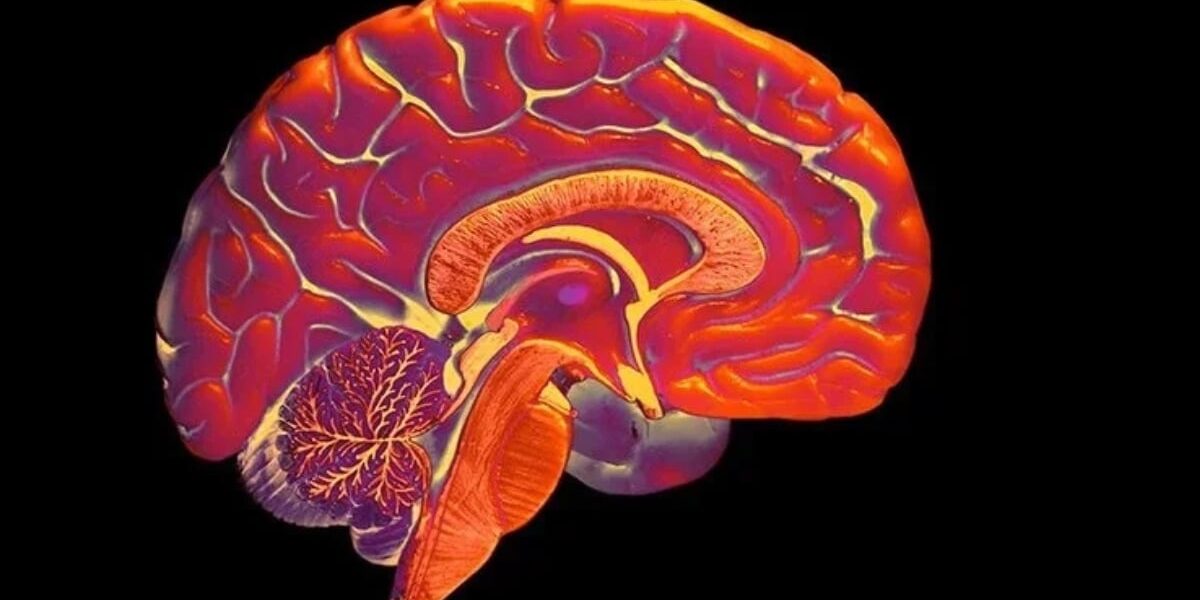
A recent study published in the journal “Cerebral Cortex” adds to the growing body of research that suggests individuals with lifelong deafness exhibit enhanced peripheral vision capabilities. Researchers from the University of California San Diego used advanced imaging techniques to explore the visual processing of deaf individuals compared to those with normal hearing. The findings indicate that the visual cortex in lifelong deaf individuals is not only active when processing visual information but may also adapt to compensate for the lack of auditory input, leading to a more extensive field of view.
The study involved a series of visual tests designed to measure peripheral vision acuity. Participants were asked to identify specific targets in their periphery while researchers monitored brain activity through functional MRI scans. Deaf individuals displayed significantly improved responses in peripheral vision tasks, suggesting that their brains may be processing visual signals in a way that enhances their ability to detect movement and recognize objects outside of their direct line of sight.
Background and context
The concept of neuroplasticity—the brain’s ability to adapt its structure and function in response to experiences—has been a focal point in understanding how sensory deprivation affects neural processing. In the case of deafness, the brain often repurposes areas typically involved in auditory processing for other senses, particularly vision. Previous research highlighted improvements in spatial awareness and motion detection among those with hearing impairments, presenting a fascinating interplay between sensory modalities.
Studies of individuals who became deaf later in life show different results, indicating that the benefits observed in lifelong deaf individuals stem from early modification of the brain’s structure and function. Non-hearing individuals often rely more on visual stimuli to communicate and understand their environment, potentially leading to a more pronounced integration of visual information processing. This advancement in peripheral vision can enrich daily experiences and safety, allowing those who are deaf to detect changes or movements even in their side vision, which may not be as readily accessible to those with typical hearing.
What to watch next
The implications of these findings are profound, prompting further investigation into how sensory integration can be harnessed for rehabilitation and enhancement therapies. Researchers are particularly interested in exploring whether these visual enhancements could be leveraged in practical settings, such as developing improved navigation tools or targeted training programs for individuals with hearing loss.
Moreover, as technology continues to advance, devices that augment sensory perception for deaf individuals could benefit from insights gained from this research. Future studies may also examine how these peripheral vision adaptations hold up against other variables, such as age or the presence of additional sensory impairments.
In conclusion, the relationship between lifelong deafness and enhanced peripheral vision provides a compelling example of how the brain adapts to sensory loss. Understanding these adaptations is not only vital for the scientific community but also poses significant opportunities for improving the lives of those with sensory disabilities.
Original Source: https://www.sciencealert.com/lifelong-deafness-could-rewire-a-persons-peripheral-vision