Key details
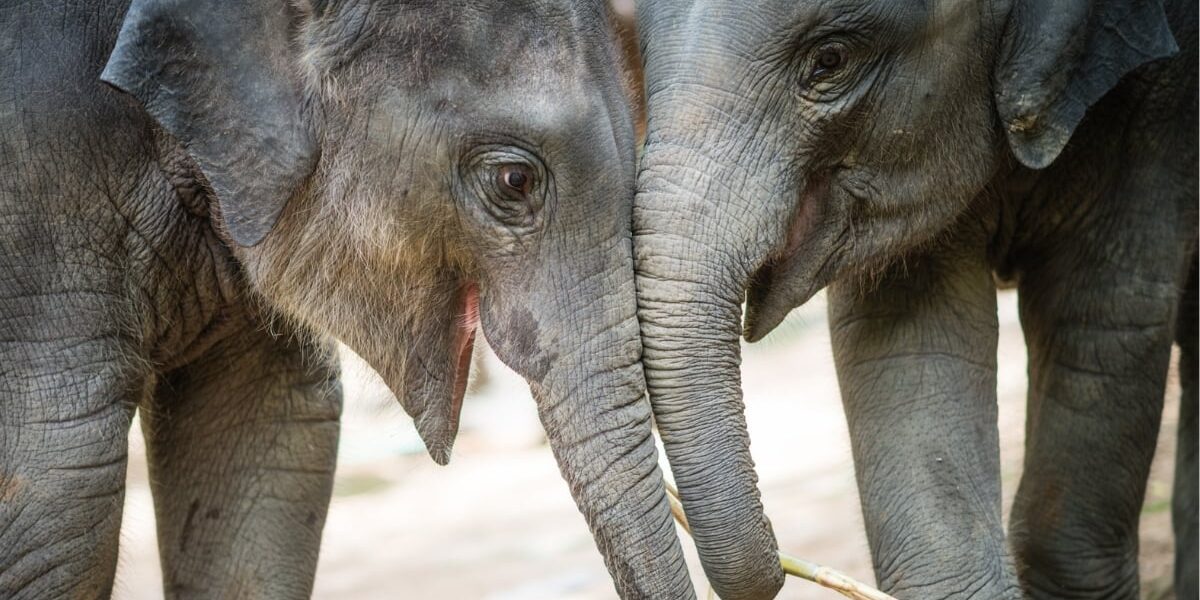
Recent studies have revealed that elephants exhibit a level of self-control that surpasses many humans when it comes to classic psychological testing. In a series of experiments designed to measure impulse control, Asian elephants demonstrated an impressive ability to delay gratification. The tests involved presenting the elephants with food rewards while introducing distractions, challenging them to wait for a more substantial reward without succumbing to immediate temptation.
Research led by a team from the University of Göttingen found that not only did the elephants manage to resist the immediate appeal of smaller treats, but they also displayed a sophisticated understanding of the situation. The subjects were able to consistently choose to wait longer for larger portions of food. This nuanced behavior suggests that elephants possess cognitive abilities that align with those of certain primates and even human children, reinforcing their status as one of the most intelligent species on the planet.
Why this matters
The significance of this discovery extends beyond mere curiosity about elephant intelligence. Self-control is a crucial factor in various aspects of life, including social interactions, resource allocation, and long-term planning. By understanding how elephants manage impulses, researchers can gain insights into the evolutionary pathways of intelligence and behavior in complex social species.
Additionally, this research has practical implications for the way humans perceive and interact with elephants, particularly in conservation and welfare contexts. Recognizing that these animals possess advanced cognitive skills can lead to more ethical treatment and better captive environments, as caretakers can tailor diets and enrichment activities that stimulate their mental faculties.
Moreover, the study highlights a broader narrative in animal intelligence research, where the capacity for self-control is increasingly being recognized as a marker of advanced cognitive processing. The findings provoke comparisons with human behavior, particularly in today’s fast-paced, gratification-oriented society. Elephants, with their ability to prioritize future rewards over immediate satisfaction, may serve as a model for reflecting on our own behaviors.
Broader picture
This research underscores a profound shift in our understanding of animal cognition and the importance of self-control in behavior. The implications reach into various fields, from psychology to conservation strategies. As studies like this continue to emerge, they challenge long-held perceptions and raise critical questions about the intelligence levels of non-human species.
While elephants’ performance in this test is impressive, it also invites a broader conversation regarding the necessity for humans to cultivate similar qualities amid modern distractions. The ability to defer gratification is a skill that many struggle to develop in an age defined by instant connectivity and immediate rewards.
As we reflect on the elegance of elephants’ self-control, we might glean valuable lessons on patience and foresight, not merely in animal intelligence but as crucial attributes for improving our human condition.
Original Source: https://www.sciencealert.com/elephants-just-passed-a-classic-psychology-test-with-more-restraint-than-many-humans