
What happened
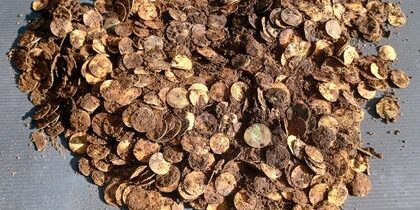
In a remarkable find, a Finnish metal detectorist recently unearthed a trove of Viking Age silver coins and artifacts in his hometown of Jämsä, located in central Finland. The discovery came during a casual day of treasure hunting when the detectorist, who wishes to remain anonymous, was scanning a field near his home. To his astonishment, the metal detector emitted a consistent signal, leading him to dig deeper.
Upon excavation, he uncovered a hoard of silver pieces, including numerous coins that reportedly date back to the 10th century. Archeologists believe these coins were likely used for trade and may have belonged to local Viking settlers, thus holding significant historical value. The initial discovery alone has created a stir among historians and treasure hunters alike, raising questions about the region’s past.
Just when the detectorist thought he had seen it all, another signal from his metal detector prompted him to continue searching the area. This second signal revealed even more Viking artifacts, indicating that this location might have been a significant site during the Viking Age. Experts have expressed excitement over the likelihood that these finds could deepen our understanding of the Viking presence in Finland and their trading practices.
What it means for readers
The significance of this discovery extends beyond just the relics themselves. It serves as a reminder of Finland’s rich cultural heritage and the important role local citizens can play in archaeology. The finds underscore the potential of amateur metal detecting to contribute to historical research, particularly in areas where professional digs may not otherwise occur.
For readers, this story highlights the importance of responsible metal detecting practices. Local laws in Finland require detectorists to report their findings, particularly if they involve historical artifacts. This legal framework not only ensures the protection of cultural heritage but also facilitates collaboration between discoverers and professional archaeologists.
Moreover, this discovery could inspire others to explore their own backyards, not just for the thrill of treasure hunting but as a means to participate in preserving history. Enthusiasts are encouraged to connect with local historical societies to gain insights about proper practices and to learn about historical context relevant to their own findings.
What happens now
In the aftermath of the discovery, the Finnish National Board of Antiquities has been notified and is now working closely with the detectorist to study and classify the items found. Experts will analyze the coins and artifacts to determine their historical context and potential significance.
Following this analysis, the artifacts may be displayed in local museums, allowing the public to appreciate this window into Finland’s Viking Age. Furthermore, the detectorist’s story may galvanize interest in local history, prompting similar searches in the area and beyond.
For those intrigued by metal detecting, this incident serves as both inspiration and a cautionary tale. The excitement of discovery must be balanced with a respect for historical laws and responsibilities that come with unearthing the past. As history continues to reveal its secrets, each finding contributes to a larger narrative that can captivate and educate future generations.