
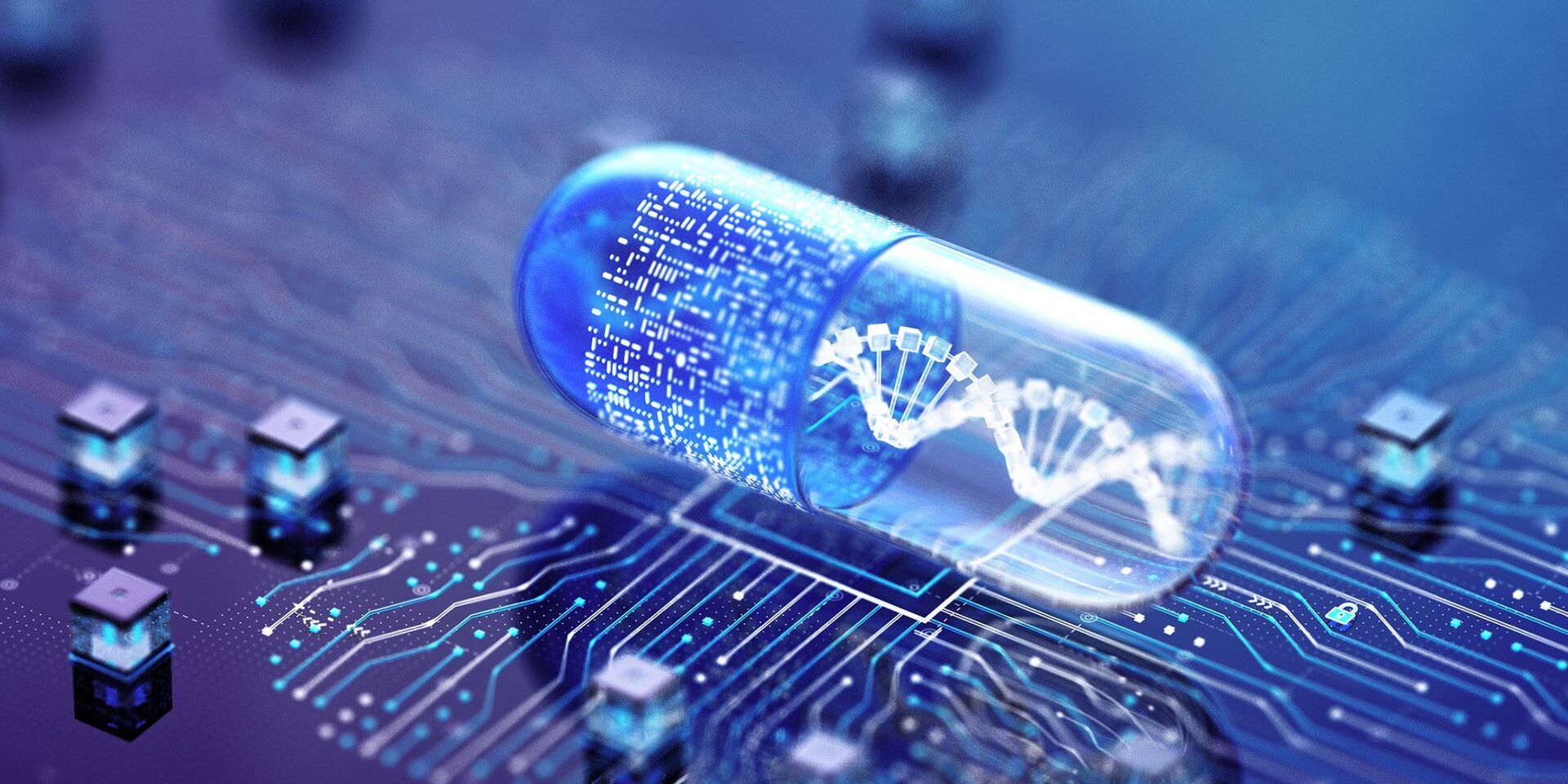
Researchers have developed a groundbreaking DNA-based computer that can execute calculations using only a drop of water. This innovative technology could redefine computational methods, particularly in the realm of biotechnology and environmental science.
What happened
The team, led by scientists at the University of California, Berkeley, successfully constructed a DNA computer that performs logic operations using biochemical reactions in aqueous solutions. By encoding information in strands of DNA, the researchers utilized the natural properties of these molecules to create a system capable of processing data. The computer is capable of executing complex calculations by simply mixed strands of DNA together in a droplet.
The team’s work builds on previous advancements in DNA computing, but distinguishes itself by operating in an easily accessible medium—water. This leap forward not only simplifies the operational requirements of DNA computers but also enhances their potential applications. The DNA computer employs a series of molecular ‘gates’ that respond to specific inputs, executing operations based on the arrangement of the DNA strands.
What it means for readers
The implications of this research extend far beyond academic curiosity. For readers, this advancement signifies the potential for more efficient data processing methods, particularly in fields like environmental monitoring, medical diagnostics, and even artificial intelligence.
For instance, the ability to perform calculations within a droplet of water opens the door to portable, on-site analysis of biological samples, which could be invaluable in clinical settings or during emergencies. Imagine healthcare workers being able to quickly determine the presence of pathogens or toxins in a water supply with minimal equipment. This could lead to faster responses and improved public health outcomes.
Moreover, this DNA computer also showcases the versatility of biological materials in technology. As scientists continue to explore biocomputing, readers can expect new devices that leverage the principles of molecular biology to solve complex problems, potentially leading to cheaper and more environmentally sustainable computational solutions.
What happens now
Following this exciting development, the next steps involve scaling the technology. Researchers will focus on enhancing the efficiency, accuracy, and robustness of these DNA computers. The goal is to develop user-friendly prototypes that can be easily implemented in various real-world applications.
Another critical area for future research will be exploring how this technology can integrate with existing computing systems. Collaborations with industry partners could lead to practical uses in laboratories or even in consumer products.
In the coming years, we may witness the emergence of biocomputational systems that seamlessly blend biological processes with technological needs, offering innovative solutions to challenges we face today. As the research community continues to make strides in this direction, readers should stay tuned for the potential impact that DNA computing might have on everyday life.
Ultimately, the development of a DNA computer in a droplet of water is not just a scientific triumph; it represents a significant step toward harnessing the power of biology to address complex problems, paving the way for a future where biological and digital technologies converge.
Original Source: https://www.livescience.com/technology/computing/scientists-build-a-dna-computer-that-can-perform-calculations-in-a-drop-of-water