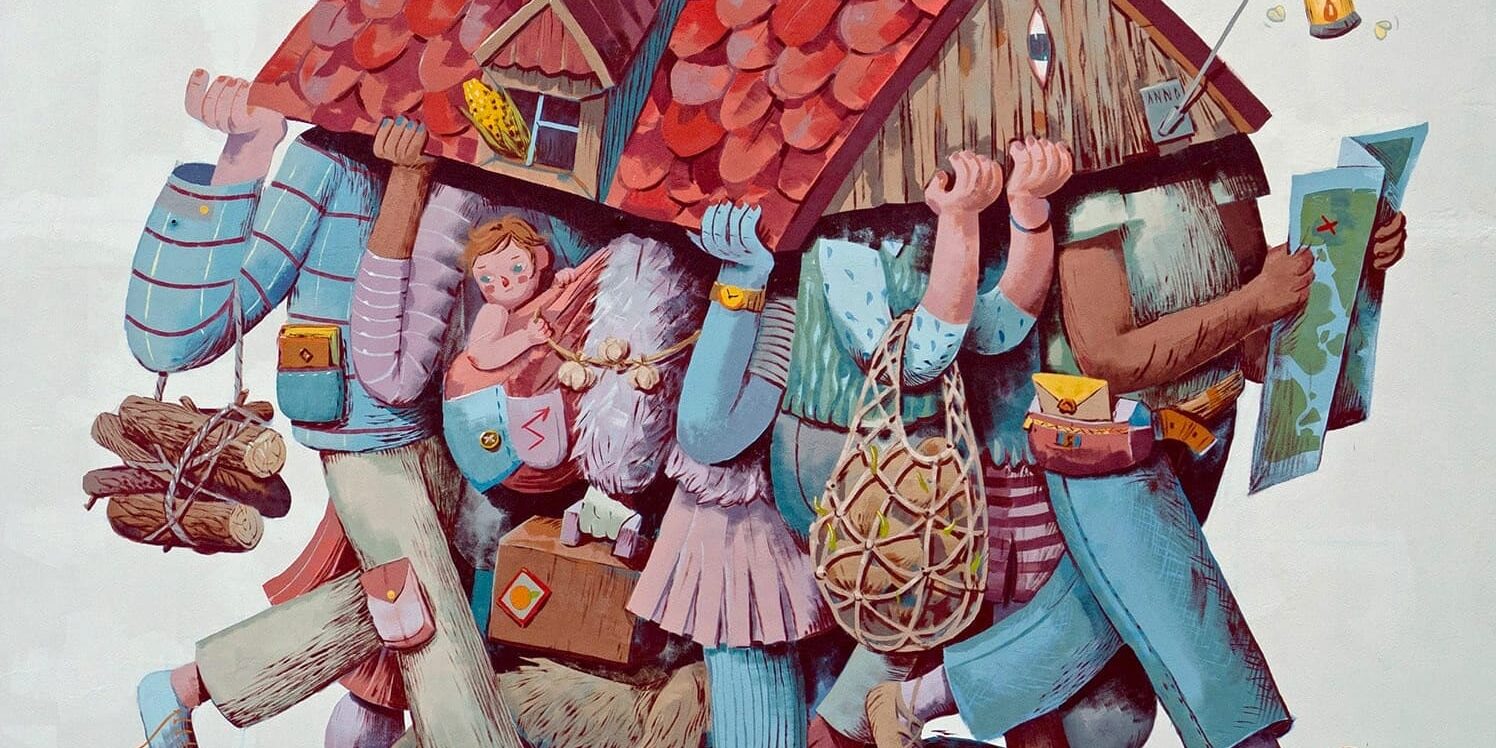
In an era dominated by technological advancements, the essence of art remains deeply rooted in human experience. As we navigate the current landscape, it is important to revisit the significance of art created by humans, for humans, and the profound impact it has on our society.
What happened
Recently, an increase in artificial intelligence-generated artworks has sparked a heated debate within the art community and the public. While AI can produce impressive pieces, many feel that these works lack the emotional depth and personal touch that only human artists can provide. This has led to a resurgence of interest in traditional forms of expression, from painting and sculpture to music and poetry, where human perspective and sentiment play crucial roles.
Art fairs, exhibitions, and galleries are increasingly showcasing works by emerging artists who focus on storytelling, identity, and social issues. This shift reflects a longing for connection in a world where technology often creates barriers rather than bridges.
What it means for readers
For our readers, this evolution in the art world signals an opportunity to engage with works and artists that resonate on a personal level. As consumers of art, we are invited to explore how it reflects our shared humanity. Understanding the stories behind the art can enhance appreciation, as well as foster dialogue about the issues that shape our lives today.
Moreover, the art created by humans encourages viewers to invest in their local communities and support artists who express their unique visions and experiences. This not only sustains the art industry but also cultivates a rich cultural landscape that enriches our lives.
What happens now
Looking ahead, the art industry is likely to balance the influences of technology and the irreplaceable essence of human creativity. As the lines continue to blur between human-made and machine-generated art, we will see an increase in collaborative projects that blend both worlds. This merging could give rise to innovative techniques while still honoring the human touch.
As consumers, we have the choice to determine the value we place on art. Seeking out human-created works and supporting local artists can lead to a renewed appreciation for the craft. In doing so, we become part of a larger movement that prioritizes authenticity and connection over mere aesthetics.
In conclusion, the conversation about art’s future invites each of us to reflect on what we seek in artistic expression. Let us seek out and celebrate the art of our time that remains a testament to the human experience, fostering empathy and understanding in an increasingly complex world.
Original Source: https://www.thisiscolossal.com/2026/09/art-by-humans-for-humans/