The latest turn
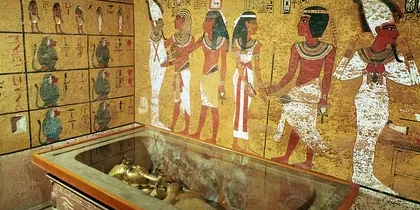
Recent scans of the vicinity surrounding King Tutankhamun’s tomb have unveiled intriguing anomalies that may indicate the presence of hidden passageways. Conducted by a team of Egyptian archaeologists and international experts, these surveys use advanced technology to penetrate the walls of the ancient burial site. The findings were announced this month, sparking excitement among historians and archaeologists alike. The leading hypothesis is that these anomalies could potentially lead to undiscovered chambers that may house the long-lost remains of Queen Nefertiti, who has captivated scholars and enthusiasts worldwide for decades.
The scans utilized ground-penetrating radar and other non-invasive techniques, which have proven effective in the exploration of Egyptian tombs. Preliminary results suggest at least two undiscovered spaces adjacent to Tutankhamun’s burial site. The potential significance of these discoveries has elevated the urgency for further excavation and research, as experts believe the passageways could offer vital insights into the burial practices of the time.
How the story got here
The quest to find Nefertiti’s remains is not a new endeavor. The Queen, who was the wife of Akhenaten and a towering figure in ancient Egyptian history, was buried somewhere in the Valley of the Kings, but her tomb remains elusive. For years, scholars have speculated that she may be hidden within the vicinity of Tutankhamun’s tomb, largely due to their familial connections and Nefertiti’s historical importance.
In 1922, Howard Carter’s discovery of King Tut’s tomb revealed a wealth of treasures, but many aspects of ancient Egyptian royal burials remain shrouded in mystery. Numerous excavation efforts have taken place since that time; however, the technology of the past was limited. Advances in archaeometry have allowed a deeper understanding of potential hidden structures, reigniting interest in finding Nefertiti’s remains. The anomalies detected this year are the result of the latest in those archaeological innovations.
Excitement around this discovery is heightened by the historical context. Nefertiti has long been revered as a powerful figure with potential connections to the political and religious upheaval of her time. Many believe she possibly played a role in shaping Egyptian history as a co-regent alongside Akhenaten.
Next expected developments
As the archaeological team prepares for the next phase of this investigation, the expectation is that further analysis will be conducted in the coming months, culminating in planned excavations. The goal will be to validate the findings from the radar scans and to investigate what lies beneath the surface.
Anticipation is growing not just among scholars, but also among the general public, who are eager for the next major revelation in Egyptian archaeology. Should these anomalies reveal passageways that lead to Nefertiti’s tomb, it would represent one of the most significant archaeological finds in recent history, offering a glimpse into the life and death of one of ancient Egypt’s most enigmatic figures.
As the archaeological community mobilizes for intense scrutiny of these newly identified sites, updates will likely roll out as the team progresses. The quest for Nefertiti continues, and with it, a tantalizing promise of new discoveries that could reshape our understanding of ancient Egypt.