
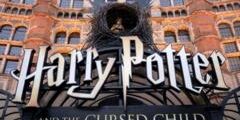
The producer of the acclaimed ‘Harry Potter and the Cursed Child’ play has announced that the soaring cost of living has rendered the continuation of its two-part format ‘impossible.’ This revelation has left fans and stakeholders pondering the future of the beloved theatrical adaptation, which has captivated audiences worldwide since its premiere in 2016.
What happened
In a recent statement, Sonia Friedman, the producer behind the play, explained that the financial pressures resulting from rising living costs forced the creative team to reconsider their approach. The two-part structure, which allows audiences to enjoy the full narrative experience in one day, has proved to be cost-prohibitive amid these challenging economic conditions. As a result, producers are exploring the possibility of a single performance format or alternative adaptations.
The initial response from fans has been mixed; while some express understanding of the challenges posed by current economic realities, others lament the potential loss of the deep and intricate storytelling that the two-part format enables. The decision to revise this beloved structure has ignited discussions around sustainability in the arts, particularly in the context of financial viability and audience engagement.
Why it matters
The news underscores a broader trend impacting the arts sector, as rising operational costs confront productions across various genres. Theatre, once considered a staple of cultural expression and entertainment, faces increasing scrutiny regarding its financial sustainability. For many producers, casting a wide net of audience appeal while keeping ticket prices affordable poses a formidable challenge.
Moreover, the ‘Harry Potter’ franchise holds a significant cultural status, attracting a diverse audience demographic that spans generations. The implications of changing its theatrical format extend beyond financial statistics; they may influence how stories are told and shared on stage, setting a precedent for future adaptations of beloved narratives. This predicament highlights a crucial juncture for the industry, as the intersection of art and commerce demands innovative solutions amid shifting economic tides.
What comes next
Looking ahead, the creative team for ‘Harry Potter and the Cursed Child’ is set to engage in discussions about its future format. Producers plan to consult stakeholders, including actors, directors, and, most importantly, the audience, to shape a revised vision that balances financial viability with artistic integrity. These discussions will be critical in determining how the story can continue to thrive in a way that resonates with both long-time fans and newcomers.
In the short term, theatre enthusiasts will be keenly watching for updates regarding the play’s future schedule and structural changes. Should the transition to a single performance format come to fruition, the industry will likely face a wave of reflection on what this means for storytelling in live theatre. As the situation unfolds, the balance of maintaining the magic of the ‘Harry Potter’ experience while navigating real-world challenges remains the central narrative going forward.
Original Source: https://www.bbc.co.uk/news/articles/cr15819w3vllo?at_medium=RSS&at_campaign=rss