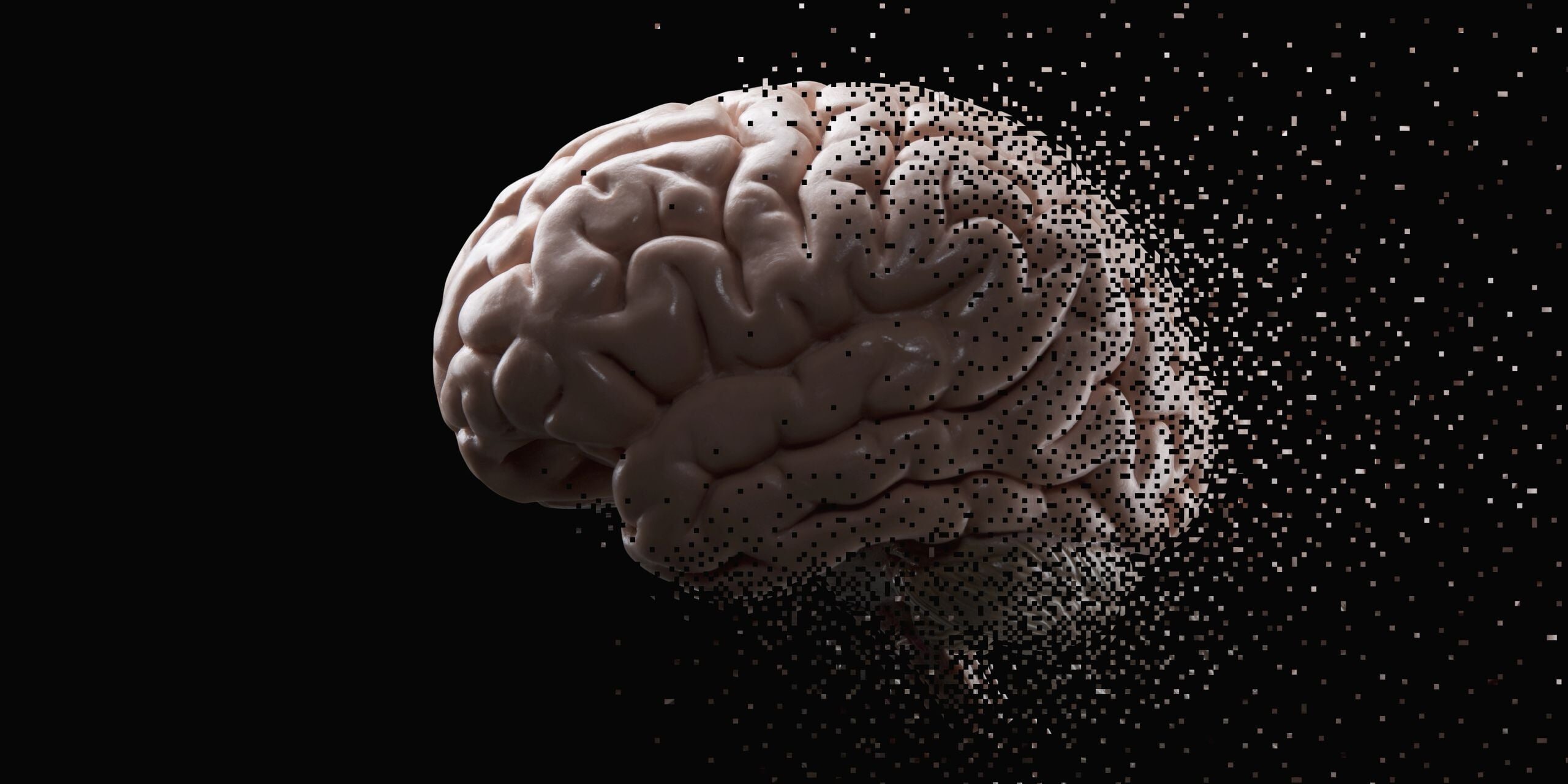
The recent observation that human dementia proteins can spread in mouse brains similarly to prions marks a significant advancement in understanding neurodegenerative diseases. This research sheds light on the complex mechanisms that govern the spread of tau and amyloid-beta proteins, two prominent culprits in conditions like Alzheimer’s disease. By establishing parallels between human and mouse models, scientists hope to better comprehend the underlying processes and implications for treatment.
Key Details
A collaborative study conducted by researchers from various institutions has revealed that when introduced to mouse brain tissue, proteins associated with human dementia demonstrated prion-like behavior, which includes the misfolding and aggregation of these proteins into toxic clumps. The study, published in a leading neuroscience journal, utilized advanced imaging techniques to track how these proteins interact and propagate through neural networks.
The team found that tau proteins exhibited a capacity for self-replication, enabling their harmful structures to transmit between cells. This behavior not only mimics that seen in known prion diseases, such as Creutzfeldt-Jakob disease but also highlights a pathway through which neurodegenerative processes may advance. The researchers further quantified the spread, noting correlations between protein concentration and neuronal dysfunction.
Why This Matters
This discovery is pivotal for several reasons. First, it strengthens the hypothesis that the spread of misfolded proteins is a central mechanism in the progression of Alzheimer’s disease and other dementias. The findings raise questions about potential interventions that could halt or slow this process, making it a promising area for therapeutic exploration.
Moreover, this study may change how scientists approach early diagnosis and clinical interventions. Understanding the transmission dynamics of dementia-related proteins could lead to the development of biomarkers for detecting the disease at an earlier stage, potentially before significant cognitive decline occurs. Furthermore, if this model can be reliably replicated in humans, it could revolutionize treatment strategies targeting protein aggregation.
Broader Picture
While this study is compelling, it also opens up a broader dialogue regarding the future of neurodegenerative disease research. The comparison of human proteins in mice provides a powerful tool for understanding disease mechanisms, yet it also emphasizes the need for caution. Notably, the findings underscore the complexity of human brain biology compared to mouse models, which can sometimes yield results misleading in their implications.
In the context of ongoing funding and research prioritization, this development may inspire a renewed focus on prion-like transmission in neurological studies. This shift could foster innovative approaches in drug design aimed at correcting the misfolding processes rather than merely managing symptoms, representing a potential paradigm shift in the treatment landscape for dementia.
As research progresses, it will be imperative to strike a balance between enthusiasm for new findings and the sobering realities of translating laboratory results into effective human therapies. The pathway ahead remains intricate, with continued investigation necessary to clarify the relationship between protein behavior in different species and its implications for human health.
Original Source: https://www.sciencealert.com/scientists-watched-human-dementia-proteins-spread-through-mouse-brains-like-prions