
The latest turn
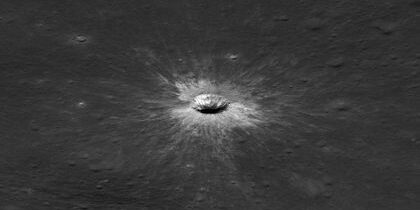
Recent observations have revealed a colossal new crater on the Moon, measuring approximately two end-to-end football fields in width. This sudden formation, which scientists believe occurred within the last few months, marks a significant event in lunar studies and has caught the attention of both researchers and enthusiasts alike. NASA’s Lunar Reconnaissance Orbiter (LRO) captured stunning images that illustrate this once-in-a-lifetime phenomenon. The anomaly suggests an impact of considerable force, likely from a sizeable asteroid or comet that struck the lunar surface. Astronomers across the globe are now eager to learn about the circumstances surrounding this event and its implications for understanding the Moon’s geological activity.
How the story got here
The discovery of this crater is part of a broader narrative surrounding ongoing lunar research. The Moon has long been a focal point for scientists seeking to understand more about our solar system’s formation and the history of planetary impacts. While craters are not new to the Moon—being littered with thousands of impact sites—the sudden emergence of one of this size is exceptionally rare. Previous studies have suggested that such large impacts happen only a few times in a millennium, making this an extraordinary observation.
The recent increase in asteroid activity in the vicinity of Earth has raised questions about the frequency of similar impacts. For many years, researchers have utilized NASA’s LRO and other orbiters to monitor and map the lunar surface in extensive detail. These long-term observations allow for the prompt detection of new features like this newly formed crater. Scientists had been tracking potential objects that could intersect with the Moon’s orbit, but the exact timing and location of this impact were fortunate strokes of serendipity.
Following the initial detection, astronomers are collaborating to analyze the crater’s features, including its depth, shape, and surrounding ejecta. Understanding these characteristics can provide insights into the collision dynamics and the size of the impacting body. Furthermore, comprehending the implications of such impacts on the Moon’s surface may inform future lunar exploration endeavors.
Next expected developments
As the excitement grows, researchers are planning a series of follow-up observations and analyses. This includes high-resolution imaging and topographical mapping to create detailed three-dimensional models of the crater, which could reveal more about its formation. Additionally, scientists are considering the potential for collaborating with upcoming lunar missions, including those from private and national space agencies, which aim to land on the Moon.
In the coming weeks, updates are expected to emerge as teams refine their analyses and share findings with the global community. This one extraordinary event highlights the ongoing dynamism of our celestial neighbor and opens a window into understanding the complexities that have shaped its surface. As researchers dive deeper into the mysteries of this impressive crater, the lunar landscape will undoubtedly continue to unveil additional historical accounts of past cosmic events.