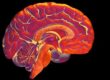

Recent research has uncovered a significant association between the vivid dreams experienced during REM sleep and a lower risk of developing 83 different diseases. This groundbreaking finding shifts our understanding of the role sleep plays in overall health, emphasizing the importance of quality sleep, particularly the REM stage, for long-term wellbeing.
Background and context
REM (Rapid Eye Movement) sleep is a vital phase of the sleep cycle, characterized by increased brain activity, rapid movements of the eyes, and vivid dreams. This stage usually occurs about 90 minutes after falling asleep and recurs throughout the night in cycles, becoming longer as sleep progresses. Previous studies have linked REM sleep to memory consolidation and emotional regulation, suggesting that it plays a vital role in mental health.
Understanding the functions of REM sleep has been a focal point for researchers for decades. While most of the earlier studies have concentrated on cognitive and psychological implications, emerging evidence points to the importance of REM sleep in physical health as well. The latest findings add a new layer to this body of work, suggesting that the vivid dreams characteristic of REM sleep might serve as a protective factor against various health issues.
Latest developments
A study conducted by researchers at a prominent sleep research institute involved a comprehensive analysis of sleep patterns and health outcomes among thousands of participants. The results indicated that individuals who experienced frequent and intense dreaming during REM sleep were significantly less likely to develop chronic diseases such as cardiovascular issues, diabetes, and neurodegenerative conditions.
The researchers hypothesize that the physiological processes occurring during REM sleep may facilitate better sensory and cognitive functioning, strengthen bodily resilience, and promote overall health. This includes the maintenance of the immune system, regulation of stress hormones, and even enhancement of metabolic processes. Given these insights, sleep researchers are urging both medical professionals and the public to pay closer attention to sleep quality as a preventive health measure.
What to watch next
As interest in the relationship between sleep and health grows, healthcare professionals are beginning to advocate for better sleep hygiene practices. Awareness campaigns promoting the significance of REM sleep could become more prevalent as this body of research expands. Advances in sleep technology, including wearable devices that track sleep patterns and quality, may also provide individuals with actionable insights into their sleep habits.
Future studies will likely delve deeper into the specific mechanisms through which REM sleep influences physical health outcomes. Additionally, researchers may explore how various factors, such as age, lifestyle, and mental health, can affect REM sleep quality and its ensuing health implications.
As more evidence emerges, the narrative around sleep may evolve from merely being a period of rest to a critical determinant of health. Understanding the nuances of REM sleep, including the vivid dreaming that accompanies it, could play an essential role in preventing chronic diseases and enhancing overall public health in the years to come.
Original Source: https://www.sciencealert.com/the-vivid-dreams-stage-of-rem-sleep-is-linked-with-a-lower-risk-of-83-diseases