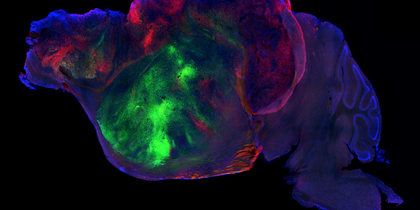
The development of genetically modified mice with hybrid brains featuring human-like characteristics marks a groundbreaking step in biomedical research. These innovative creatures could potentially transform our understanding of neurological disorders, offering fresh insights into diseases such as Alzheimer’s, autism, and schizophrenia.
The latest turn
In a recent experiment, researchers at Yale University successfully created mice with approximately 10% of their brain cells functioning similarly to human neurons. By introducing a specific set of genes linked to brain development, the scientists generated these hybrid animals that exhibit heightened cognitive functions compared to ordinary mice. The implications of this work are profound; researchers believe that these models can help decode the fundamental mechanisms underlying severe neurological diseases, which have baffled scientists for decades.
According to the lead scientist, Dr. Nenad Sestan, the mice provide an unprecedented opportunity to study neurological functions in a living organism that more closely mirrors human physiology. This milestone represents a significant leap forward in neuroscience, positing the possibility of understanding how unique aspects of human brains contribute to both healthy brain function and susceptibility to disorders.
How the story got here
The journey toward creating hybrid brain models began with the groundbreaking techniques of gene editing, notably CRISPR-Cas9 technology. Originally developed for various applications in genetic engineering, these methods allowed scientists to manipulate the genetic code with unprecedented precision. Researchers have long sought more effective ways to study the complexities of human neurological disorders. Early attempts at developing animal models that mimic human brain structures were limited by ethical constraints and challenging technical hurdles.
Prior to these advancements, studies of human brain functionality were mostly limited to post-mortem examinations and highly simplified models. The emergence of induced pluripotent stem cells (iPSCs) allowed scientists to generate human neurons in the lab, but these cells lacked the integrated complexity found within an actual living brain. By bridging the gap between animal models and human-like neural physiology, scientists now have a promising avenue for rich, in vivo investigations into brain development and dysfunction.
Next expected developments
The development of these mice is only the beginning, as scientists envision numerous avenues for future research. Upcoming studies are likely to explore the specific functional differences between human-neuron-enhanced mice and their typical counterparts. By assessing behavioral changes and cognitive functions, researchers aim to refine the use of these hybrid models for investigating various neurological and psychiatric conditions.
Furthermore, researchers are seeking to understand whether modifying the genetic composition of these animals can lead to observable changes in neural pathways associated with specific diseases. As scientists continue to delve into the genetic underpinnings of brain function, the hope is that targeted therapies can emerge from this knowledge, paving the way for new treatment strategies tailored to human neurological disorders.
Ultimately, the next milestone may involve leveraging these advancements to develop therapeutic interventions that could not only mitigate symptoms but also address the root causes of maladies plaguing the human brain. The field of neuroscience stands on the precipice of revolutionary change, with hybrid models fueling a more profound understanding of who we are at our most fundamental neurological level.