Latest developments
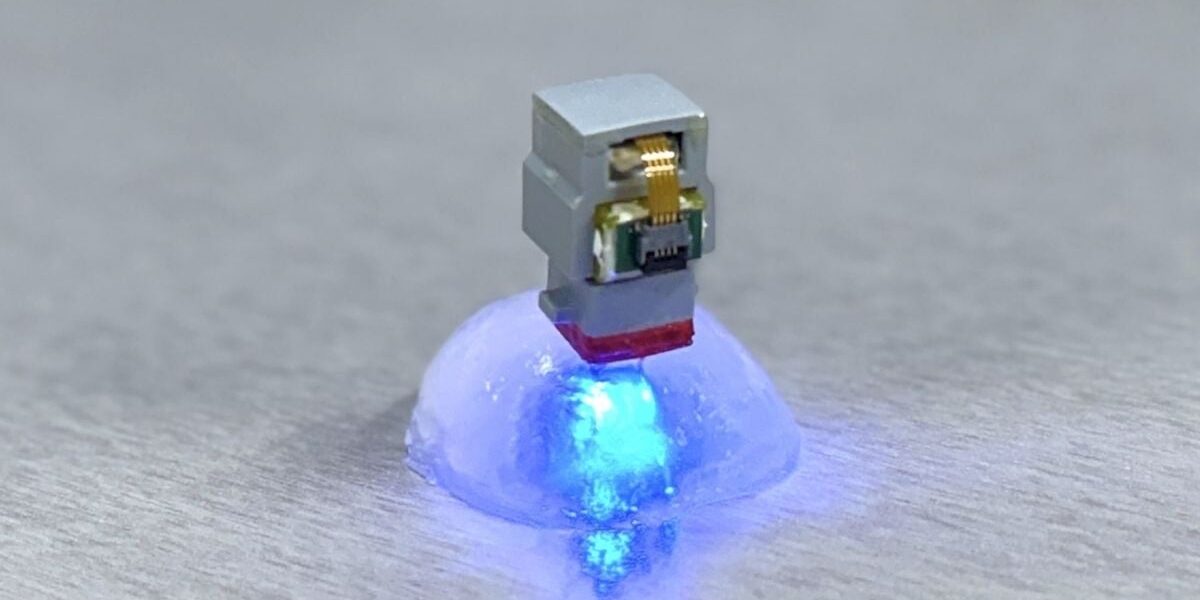
In a groundbreaking achievement, researchers at the Korea Advanced Institute of Science and Technology (KAIST) recently demonstrated their ability to control a brain implant from more than 6,500 miles away. This remarkable technology relies on advanced wireless communication systems and neural interfaces to interact with brain functions in real-time, raising significant implications for remote healthcare and neuroscience.
The experiment, conducted in collaboration with a team in Brazil, involved sending commands and receiving feedback from the implant using a secure network. The successful execution of this test indicates that real-time, remote brain interface technology may soon be available for clinical applications.
Background and context
The concept of brain implants has been under development for several years, primarily targeted at treating neurological disorders or aiding rehabilitation after injuries. Previous studies have focused on closer ranges, typically within a hospital or laboratory setting. However, the idea of remotely controlling such neural devices has always been a distance dream, primarily hampered by technological limitations.
Korean researchers have been at the forefront of brain-machine interface technology, developing devices that can interpret neural signals and translate them into electronic commands. These advancements allowed for the first neural signals to be recorded in real-time and manipulated via external sources. The introduction of next-generation wireless communication methods made it feasible to extend this interaction beyond local settings, creating new possibilities for patient care.
What to watch next
As scientists continue to refine these technologies, it will be essential to monitor how remote-controlled brain implants could revolutionize treatment methods for individuals with disabilities or neurodegenerative conditions. Future studies will need to address not only the technical challenges but also ethical concerns surrounding data privacy and consent associated with remote neural monitoring and manipulation.
Moreover, this research could pave the way for integrative therapeutic modalities that merge traditional treatment approaches with advanced brain-computer interface technologies. The implications stretch beyond mere medical applications, sparking discussions about the future of human-computer interaction, the boundaries of medical ethics, and the societal impact of such profound technologies.
The successful control of a brain implant from such a significant distance marks a pivotal moment in both neuroscience and medical technology. As researchers unravel further potential applications, the world may soon witness the transformation of healthcare, merging cutting-edge technology with patient care in unprecedented ways.
Original Source: https://www.sciencealert.com/a-brain-implant-in-korea-was-just-controlled-from-the-us