
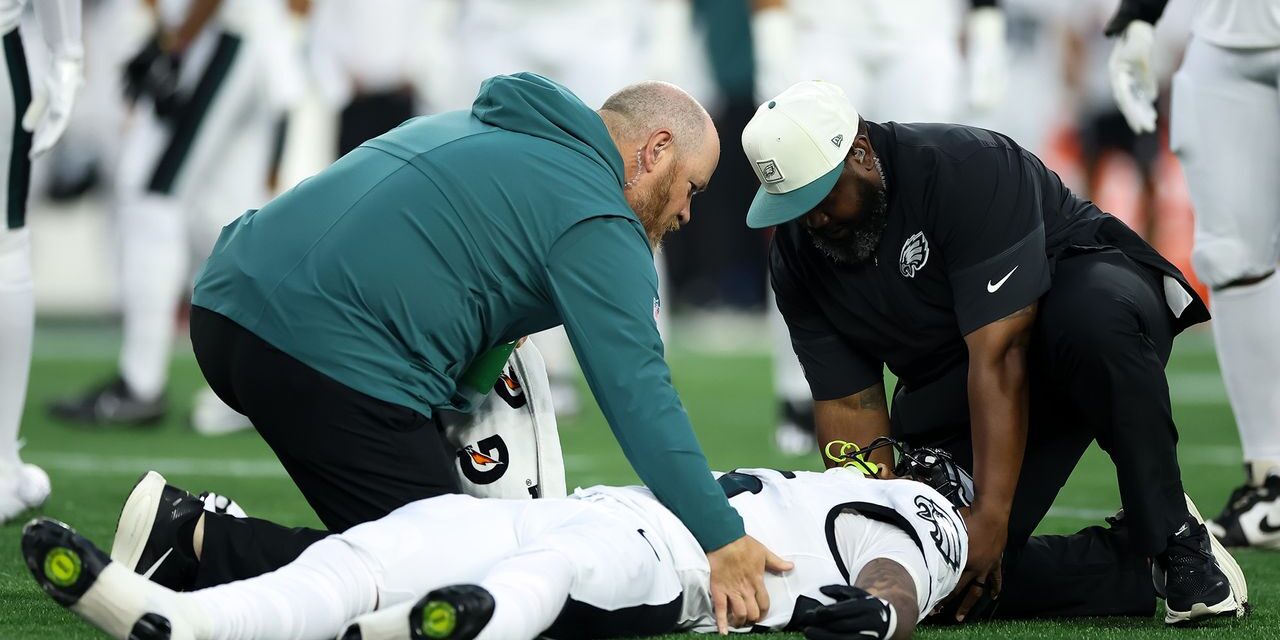
Recent discussions surrounding concussion and chronic traumatic encephalopathy (CTE) in football have gained significant attention, especially following a viral study suggesting that a substantial number of former players show signs of the degenerative brain condition. However, concussion experts argue that the landscape of player safety is evolving, and this may be one of the safest times in football’s history.
Latest developments
The recent study highlighted in multiple media outlets claimed that over 90% of deceased players studied exhibited signs of CTE. This alarming statistic has reignited fears among parents, players, and fans concerning the long-term impact of concussions in the sport. Yet, Dr. Robert Cantu, a renowned concussion expert and co-founder of the Boston University CTE Center, is bringing a more nuanced perspective. He asserts that advancements in safety protocols, the growing understanding of head injuries, and the increasing emphasis on proper tackling techniques in youth football have all contributed to a safer playing environment than in previous decades.
Background and context
CTE, a condition often linked to repeated head trauma, has been a focal point of concern in sports, particularly in football. The link between concussions and CTE has led to heightened scrutiny of how the sport manages head injuries. Just a few years ago, league responses to concussions, including stricter policies and rule changes, were seen as reactive rather than preventative.
In 2016, the NFL’s implementation of protocols requiring medical assessments for players showing signs of concussion was a significant step forward. Recent years have seen youth leagues adopting similar policies, which include training for coaches on recognizing concussion symptoms and implementing rules designed to minimize head impacts. Dr. Cantu emphasizes that these changes reflect a fundamental shift in how the game is played and understood. “It’s not like the sport of football is the same as it was ten or twenty years ago,” he notes. “We have made strides that significantly improve player safety.”
What to watch next
As the conversation surrounding football safety continues to evolve, Dr. Cantu urges people to look beyond just the statistics and focus on the systemic changes that are being instituted. With innovations in protective gear and a cultural shift toward prioritizing player health, it is vital for stakeholders—including leagues, teams, and coaches—to perpetuate a framework that values safety as much as competition.
The NFL and NCAA are under increasing pressure to continue this trend, as fans and players alike demand a sport that’s not just entertaining, but safe. Dr. Cantu’s assertion that this is one of the safest times to play could pave the way for a new understanding of football, encouraging parents to allow their children to participate without fear, provided proper safety measures are in place. The ongoing dialogue around concussions and player health will likely shape the future of the sport, making the next few years critical for both reform and education in football.