
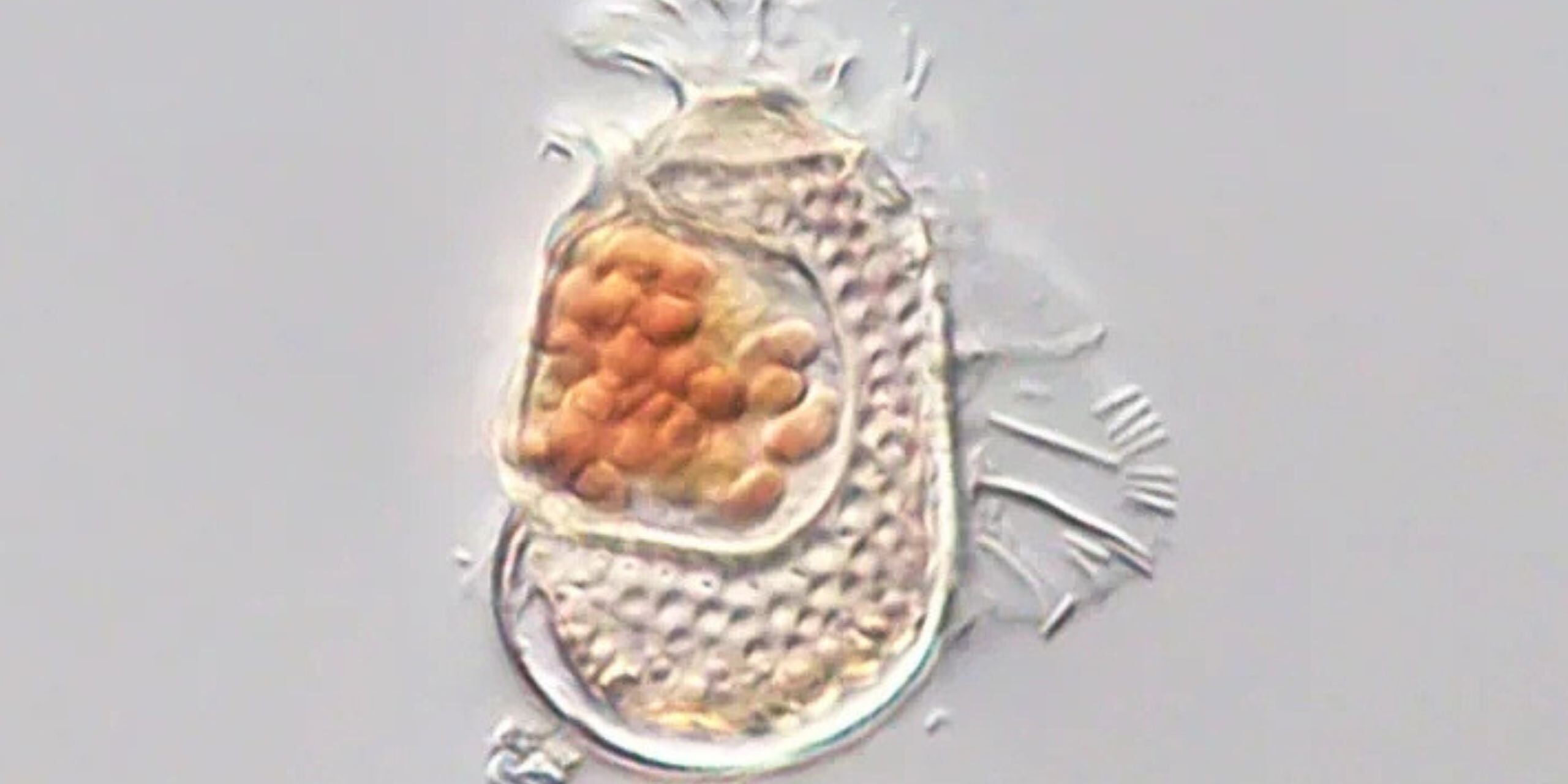
A newly discovered microbe, identified as a member of the genus Mycoplasma, has been found to possess one of the smallest genomes ever recorded, raising significant questions about what it means to be alive. This microorganism, isolated from a highly specialized environment, has a genome comprising merely 395 genes, substantially less than most living organisms. This development sheds light on the potential limits of life and may redefine how we understand cellular complexity and minimal life forms.
Key details
The research was conducted by an international team of microbiologists who aimed to explore the genetic basis of life in extreme conditions. Their focus was on organisms capable of surviving in hostile environments where conventional life forms struggle. The genome of this particular Mycoplasma strain is about 50% smaller than that of the previously smallest-known organism. The implications of these findings extend beyond academic curiosity, as they offer profound insights into evolutionary biology and synthetic biology.
Why this matters
This discovery is particularly notable for several reasons. Firstly, the simplicity of the genome prompts researchers to reconsider the essential elements required for an organism to sustain itself. It challenges established notions that complex behaviors and interactions are tied to larger genetic frameworks. Understanding how such a minimal genome can support life opens up pathways for exploring the boundaries between living and non-living entities.
The potential applications of this research are vast. In medicine, for instance, insights gained from studying this microbe could lead to breakthroughs in developing targeted antibiotics that exploit the weaknesses of simple organisms. In biotechnology, minimal genomes could inspire the design of engineered microbes for specific environmental applications, such as bioremediation or bioenergy production.
Broader picture
Looking at the broader implications, this discovery intersects various fields, including evolutionary theory, ecology, and nanotechnology. Microbes are already known to adapt quickly to changing environmental pressures, which raises questions about the role of simplicity in facilitating instances of rapid evolution. Moreover, these findings may influence ongoing debates about the definition of life itself, as characteristics once deemed essential may no longer hold firm.
As scientists continue to explore the vast diversity of microbial life, this microbe’s genome provides an intriguing perspective on life’s minimal requirements. While there is still much to learn, the question remains: could there be other forms of life with even simpler genetic codes awaiting discovery? This groundbreaking work encourages us to expand our understanding of what life can be, making it clear that even the tiniest organisms can have profound implications for science and our perception of biological existence.
Original Source: https://www.sciencealert.com/microbe-discovered-with-one-of-the-smallest-genomes-on-record-pushing-the-bounds-of-what-it-means-to-be-alive