
The latest turn
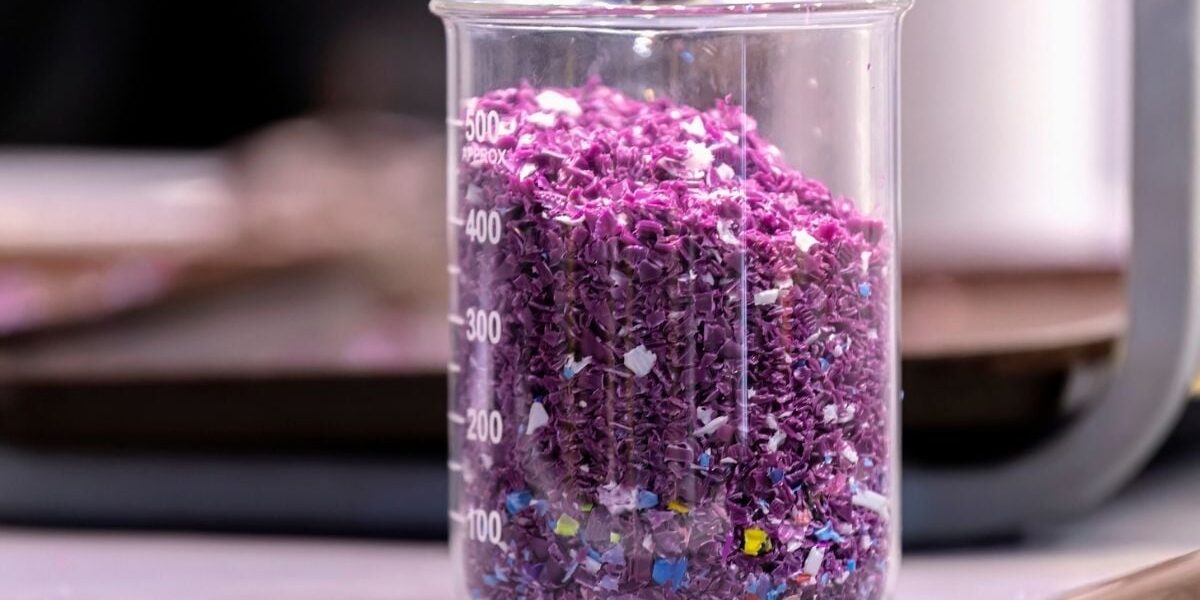
Recent advancements at a Massachusetts-based lab have unveiled a groundbreaking type of plastic that not only vaporizes when exposed to heat but also has the remarkable ability to reassemble itself upon cooling. This innovation, developed by a team of researchers at the Massachusetts Institute of Technology (MIT), represents a significant leap in material science, with promising implications for recycling, manufacturing, and product longevity.
The team first revealed their findings at an academic conference earlier this month, demonstrating through a series of experiments how this new polymer could be reshaped without generating waste. When heated to a specific temperature, the plastic transforms into a gas, dissipating fully. Upon cooling, the molecular structure reconstructs itself, returning to a solid form. Researchers believe this is a potential game-changer in reducing plastic pollution, addressing a critical environmental challenge by minimizing reliance on traditional recycling methods that often leave a considerable footprint.
How the story got here
The development of this innovative plastic is rooted in a longstanding desire within the scientific community to create materials that can significantly reduce environmental impact. Traditional plastics, while versatile, have been criticized for their environmental consequences, primarily due to their durability and reluctance to decompose. Scientists have explored various biodegradable materials, but many alternatives still carry inherent issues, including energy-intensive manufacturing processes or limited functionality.
Years of research into dynamic polymer chemistry culminated in this latest innovation. Earlier prototypes of self-healing materials paved the way for the current plastic, showcasing how molecular redesign could enable repeated reforming. Initial prototypes demonstrated the self-assembling properties, but researchers struggled to develop a type of plastic that could completely dissipate and re-form without leaving residual waste. This new plastic, equipped with specifically designed molecular structures, has now demonstrated a balance between functionality, resilience, and environmental consideration.
The lab’s breakthrough has garnered attention from industries eager to find sustainable alternatives to conventional plastic products. In particular, sectors such as packaging, automotive, and electronics are keen to explore the commercialization of these materials, potentially leading to more sustainable manufacturing practices that could align with global sustainability goals.
Next expected developments
As the research team prepares for the upcoming peer review of their findings, further testing and refinement of the plastic are on the horizon. The next milestones will likely include large-scale trials to assess the material’s performance in real-world applications and further exploration of the economic aspects of production.
In addition, researchers aim to partner with companies interested in pilot projects, paving the way for industrial adoption. This will not only provide critical data on the practicality of using this plastic in various products but will also help gauge consumer reactions to its implementation.
Once fully developed and commercially viable, this self-reforming plastic could revolutionize materials science and play a crucial role in mitigating plastic waste, indicating a future where functionality and sustainability can coexist harmoniously.
Original Source: https://www.sciencealert.com/a-new-kind-of-plastic-vaporizes-when-heated-and-then-reassembles-itself