Key details
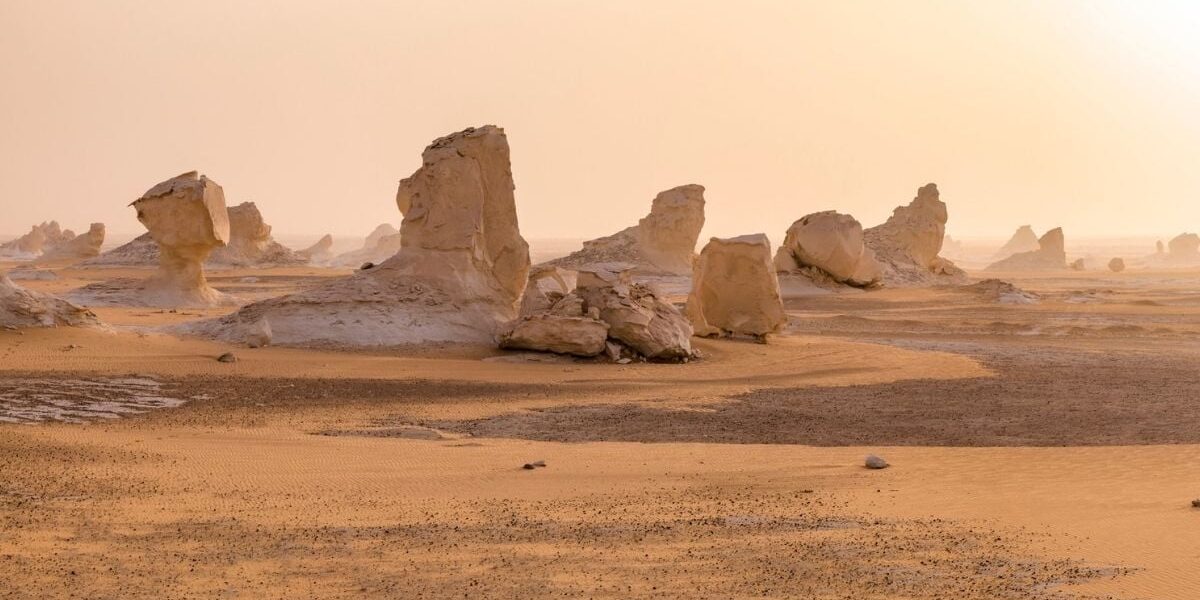
Recently, a significant paleontological discovery was made in the Egyptian desert, where researchers stumbled upon a graveyard containing ancient shark remains dating back millions of years. Located in the western part of the country, the site is thought to have been a once-thriving marine environment that became fossilized and preserved as the landscape shifted. The well-preserved condition of the shark remains has provided scientists with invaluable insights into the diversity and evolution of shark species during the time when the region was covered by water.
Why this matters
This discovery is particularly notable as it underscores the dynamic nature of Earth’s geological and biological history. The presence of sharks—an apex predator that has existed for more than 400 million years—indicates that the region once supported a rich marine ecosystem. The analysis of these remains will not only help in understanding the ecological conditions of the prehistoric era but also shed light on how climate changes and continental shifts have influenced marine life over millennia.
Moreover, the fossilized sharks serve as critical markers for scientists to understand evolutionary processes. As researchers examine the morphological features of the retrieved specimens, they can identify changes in form and function that have occurred throughout the history of these species. Such insights may provide answers to broader questions about adaptation and survival in changing environments.
Broader picture
This finding fits into a larger narrative of increasing paleontological discoveries in arid regions that were once covered by oceans. As climate change continues to reshape landscapes around the world, remnants of ancient life are being exposed in places that were previously considered inhospitable to marine research. This could lead to a re-evaluation of how we view historical biodiversity in connection to climate and geological transitions.
Furthermore, the discovery enhances our understanding of the ancient world and informs contemporary discussions about marine conservation. By studying the past, scientists can better predict future trends in ocean life amid current challenges like pollution and overfishing. Thus, insights derived from such fossilized remains could equip environmental scientists and policymakers with the necessary information to forge effective conservation strategies aimed at preserving marine ecosystems today.
In conclusion, while the ancient shark graveyard in the Egyptian desert may seem like an isolated find, it forms part of an intricate mosaic of life and ecological evolution on our planet. It serves as a timely reminder of the profound changes Earth has undergone and underscores the importance of ongoing paleontological research in understanding not just our planet’s history but also its uncertain future.
Original Source: https://www.sciencealert.com/an-ancient-shark-graveyard-has-been-found-in-the-egyptian-desert