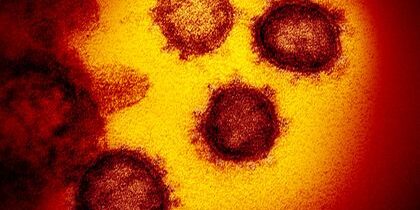
A recent study suggests that Covid-19 may cause dormant viruses within the human body to reactivate, potentially exacerbating the symptoms of the respiratory illness. This finding underlines the complex interplay between Covid-19 and other pathogens that reside in the body without causing harm under normal circumstances.
What happened
The research, conducted by a team of scientists from multiple institutions, revealed that when individuals infected with Covid-19 experience symptoms, their immune systems may trigger the reactivation of dormant viruses like Epstein-Barr (EBV) and cytomegalovirus (CMV). These viruses belong to the herpesvirus family and can remain in the body long after the initial infection has cleared.
Using a combination of blood tests and viral load assessments, the researchers compared Covid-19 patients to a control group. They noted that the reactivation of these dormant viruses could lead to increased inflammation and respiratory distress. Notably, patients with a history of recurring herpesvirus infections were more susceptible to severe symptoms when confronted with a Covid-19 infection.
What it means for readers
This study highlights a critical development in our understanding of how Covid-19 affects individuals with preexisting viral conditions. For patients who have previously been infected with EBV or CMV, the reactivation could complicate their recovery from Covid-19, leading to persistently troubling symptoms. The implications extend beyond just Covid-19 infections; they underscore the importance of monitoring individuals with a history of viral infections during the ongoing pandemic.
Additionally, the findings indicate a potential link between Covid-19 and post-viral syndromes. Symptoms such as fatigue, joint pain, and respiratory issues in patients recovering from Covid-19 may not only be related to the virus itself but could also involve a resurgence of dormant viruses. Understanding this relationship could help healthcare providers better manage and treat patients experiencing prolonged symptoms following their Covid-19 infections.
What happens now
As the study gains attention, health experts are urging further research to perform a more comprehensive assessment of how Covid-19 interacts with dormant viruses in the human body. From a practical standpoint, individuals with known viral histories may want to discuss their risks with healthcare providers when facing Covid-19. Increased vigilance, particularly in patients with prior herpesvirus infections, could be essential for early intervention and better outcomes.
For the broader population, the findings encourage a renewed focus on the immune system’s role in responding to respiratory infections. The importance of maintaining a healthy immune response cannot be overstated, and ongoing public health messaging should include lifestyle choices that support overall health.
Ultimately, as new research emerges concerning the ramifications of Covid-19, a nuanced understanding of viral interactions could lead to improved strategies in managing not only Covid-19 but also the lingering effects of other viral diseases.