The latest turn
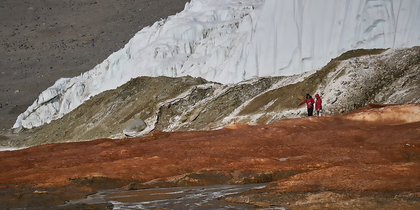
Recent studies have shed new light on the mysterious Blood Falls in Antarctica, where saltwater cascades from Taylor Glacier, turning a striking ruby red. The National Science Foundation-backed research indicates that microbial life, alongside iron-rich minerals, plays a significant role in this vivid phenomenon. Scientists suggest that understanding these primitive organisms not only unravels the enigma surrounding Blood Falls but may also provide insights into ancient Earth environments.
How the story got here
Blood Falls was first discovered by geologist Thomas Griffith Taylor during a 1911 expedition. The bright red color has long puzzled researchers, with initial theories attributing it to algae or iron oxide. However, more recent research has pointed toward a more complex interaction between iron-rich water and microbes. The waterfalls are perched on Taylor Glacier, where ancient seawater trapped beneath the ice has remained isolated for millennia. As this water flows to the surface, it interacts with oxygen, triggering the oxidation of iron and producing the vivid red hue.
In a breakthrough study published in the journal ‘Frontiers in Microbiology’, researchers identified specific microbial communities adapted to extreme conditions, thriving in the hypersaline, anoxic environment beneath the glacier. These microbes not only aid in the iron oxidation process but may also reveal vital clues about similar ecosystems on other planets, like Mars, where life could exist beneath ice or salt crusts.
Next expected developments
The implications of these findings are vast, pointing toward a deeper understanding of microbial life in extreme conditions both on Earth and potentially beyond. Continued research is expected to focus on isolating and characterizing these microbes, which may lead to discoveries about life persistence in hostile environments. Additionally, scientists anticipate further investigations into the geological processes that have shaped this breathtaking landscape, with a goal of understanding how life has evolved in isolation over billions of years. As interest grows, more expeditions to Blood Falls may soon provide additional data, paving the way for a more comprehensive understanding of this remarkable geologic feature.