
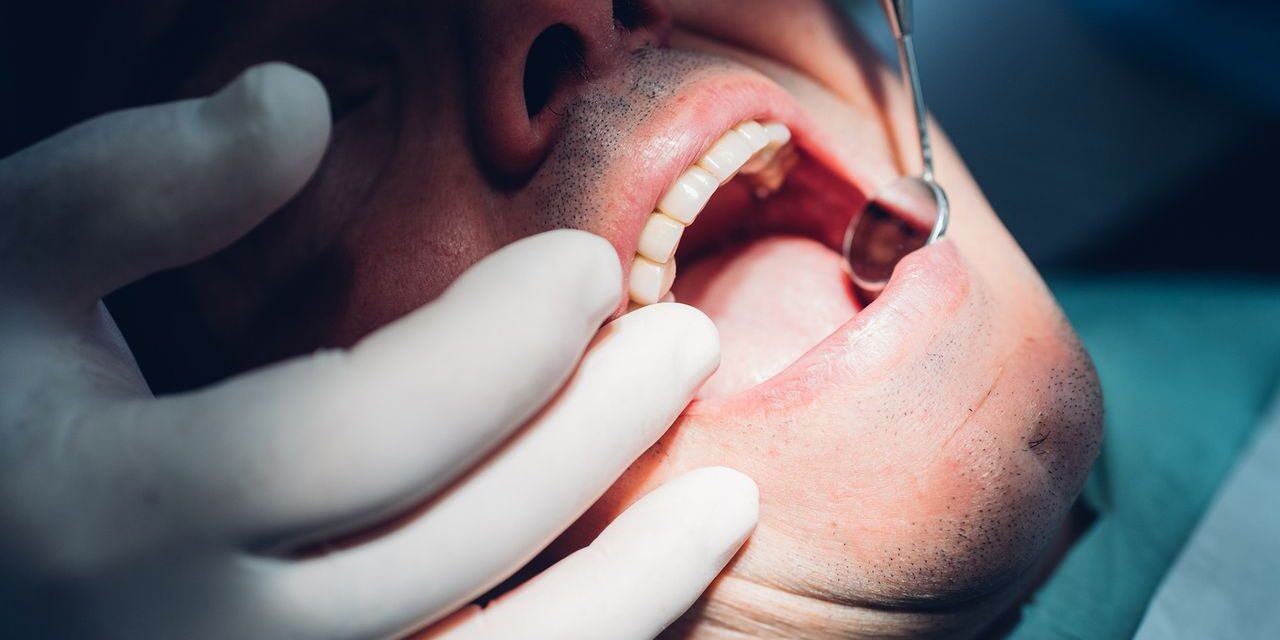
A groundbreaking study has emerged, highlighting a potential connection between periodontal bacteria and an increased risk of heart valve disease. Researchers have found that specific bacteria commonly associated with gum disease, particularly Porphyromonas gingivalis, may contribute to the inflammation and damage of heart valves, suggesting a new frontier in understanding cardiovascular health.
What happened
This recent research, published in the journal Circulation, involved a detailed analysis of heart tissue samples from patients undergoing valve replacement surgery. The presence of bacterial DNA in these samples was investigated, revealing a significant correlation between oral pathogens and the inflammatory markers typically linked to heart valve disease.
The team, led by cardiologists and dental researchers, utilized advanced genomic sequencing techniques to identify the bacterial strains present. The study’s findings indicate that not only does Porphyromonas gingivalis play a role in gum disease, but it may also enter the bloodstream through the damaged gums, subsequently colonizing the heart valves and contributing to their deterioration.
Why it matters
This revelation is particularly striking as it adds a new dimension to our understanding of cardiovascular diseases, which are typically viewed as solely linked to lifestyle factors like diet, exercise, and genetics. The implications are broad for dental health, suggesting that maintaining proper oral hygiene could be crucial for heart health. The idea that oral bacteria could have systemic effects highlights the interconnectedness of body systems.
If further research substantiates these initial findings, it could lead to innovative preventive strategies in both dentistry and cardiology. Health professionals may begin to recommend more integrated care approaches, involving routine dental check-ups as a part of heart health assessments. Additionally, the research raises awareness about the importance of not neglecting dental hygiene.
What comes next
As the scientific community assesses the implications of this study, follow-up research is needed to explore the exact mechanisms through which oral bacteria may affect heart valves. Future studies will likely focus on larger populations and will examine whether treating gum disease can indeed reduce the incidence or progression of heart valve-related ailments.
Moreover, health authorities may consider updating public health guidelines to emphasize the link between oral health and cardiovascular outcomes. For individuals, the immediate takeaway is clear: prioritizing dental health might not only save your gums but also protect your heart. As scientists unravel these connections, continued monitoring of emerging studies will be essential to understanding how we can leverage this knowledge for better healthcare outcomes.
Original Source: https://www.livescience.com/health/heart-circulation/the-bacteria-behind-gum-disease-may-also-harm-your-heart-valves-early-research-suggests