What happened
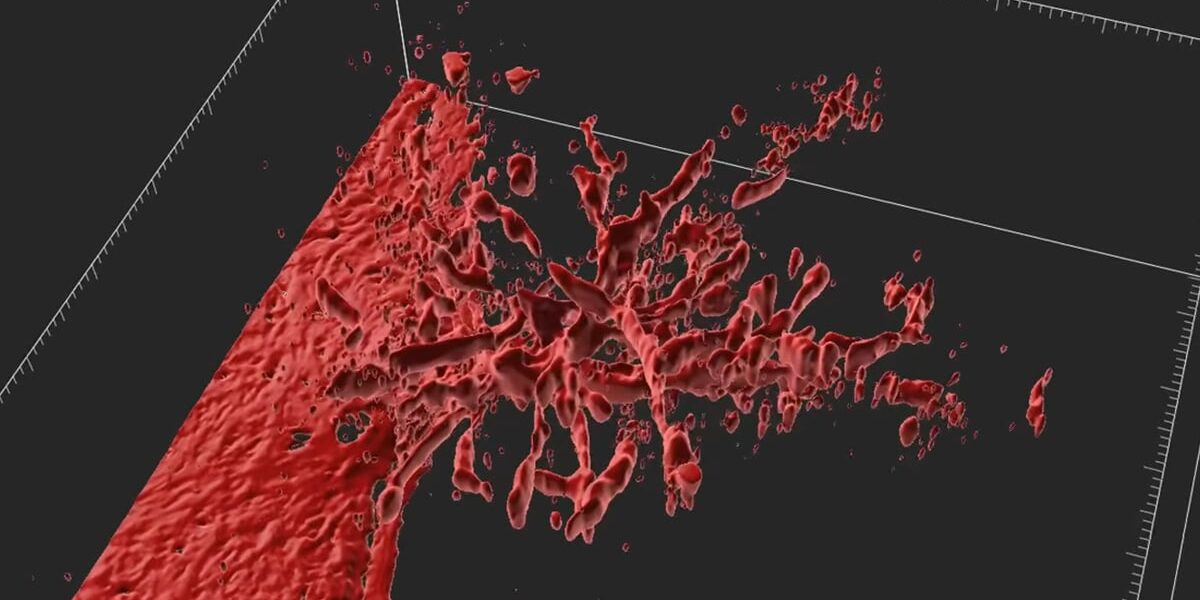
A breakthrough in vascular engineering has emerged from a team of researchers at the University of California, which has developed a new method for growing artificial blood vessels using magnets. This innovative approach utilizes magnetic nanoparticles to manipulate the growth of endothelial cells—cells that line blood vessels—resulting in more precise and organized vascular structures. The technique capitalizes on the concept of magnetotaxis, where certain biological materials respond to magnetic fields, enhancing their alignment and growth patterns.
In laboratory settings, the researchers coated magnetic nanoparticles with a polymer and introduced them to a gel matrix where the endothelial cells could thrive. By applying a controlled magnetic field, they guided the movement of these particles, encouraging the cells to arrange themselves in a way that closely resembles natural blood vessel structures. The result is a network of vessels that can grow to the necessary size and complexity for potential transplantation.
The study, published in a prominent scientific journal, described successful trials in simulating blood flow through the engineered vessels. This achievement represents an important step forward in the field of regenerative medicine, especially for patients in need of vascular grafts or those suffering from cardiovascular diseases.
What it means for readers
For the general public, this development holds significant implications for future medical treatments. Currently, patients requiring vascular grafts often rely on conduits taken from their own bodies or synthetic alternatives that do not always perform well long-term. The precision achieved through this magnetic method could lead to the creation of custom blood vessels that are not only more functionally compatible but also better integrated into a patient’s circulatory system.
Additionally, the use of magnetic fields in bioengineering presents a promising frontier for other applications beyond just blood vessels. The principles behind this technique could be adapted for regenerating other types of tissues and organs, potentially reducing the need for donor organs and increasing the availability of transplantable materials.
This advance might also pave the way for less invasive procedures, as customizable vascular solutions could reduce surgery times and recovery periods for patients. This is particularly pertinent in light of the rising rates of cardiovascular disorders, which remain a leading cause of morbidity and mortality worldwide.
What happens now
Now that this method has shown promise in the lab, the next critical step involves scaling up the production of these artificial blood vessels for practical clinical applications. Researchers will focus on refining the technique to ensure safety and efficacy for human use.
Furthermore, regulatory approvals will be necessary before these biocompatible vessels can be tested in clinical trials. The timeline for translating this research into practical treatments can often extend over several years. However, the findings from this study offer a vital foundation for further exploration in tissue engineering.
In conclusion, the development of a magnetic method for growing artificial blood vessels represents a significant leap forward in regenerative medicine. It highlights the potential for innovative approaches to address pressing health challenges, suggesting that the future of vascular therapies may soon be more effective, personalized, and accessible.
Original Source: https://www.sciencealert.com/scientists-find-a-more-precise-way-to-grow-artificial-blood-vessels-using-magnets