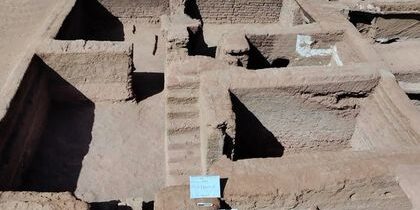
In a stunning archaeological discovery, researchers have revealed the remnants of a 1,600-year-old Byzantine Christian town nestled within an oasis in Egypt. Recent excavations have uncovered a wealth of artifacts, including intricate pottery, coins, and decorative elements that provide insight into the daily lives and religious practices of its past inhabitants.
What happened
This significant find occurred in late September during ongoing excavations conducted by a team from the Egyptian Ministry of Antiquities, in conjunction with international archaeologists. The site, located in the Bahariya Oasis, has been a focal point for researchers studying the spread of Christianity in Egypt during the Byzantine period. The artifacts unearthed are believed to date back to the 4th to 6th centuries CE, a time when the spread of Christianity was rapidly transforming the cultural landscape of the region.
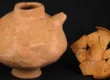
Among the most notable discoveries are beautifully adorned pottery pieces that exhibit rich patterns typical of Byzantine art. The coins, bearing the likenesses of emperors from the period, add a critical economic dimension to the narrative of this ancient community. Additional findings include remnants of a church structure, which suggest the town was not just a residential area but also a vibrant center for religious activity.
Why it matters
This archaeological site is paramount not only for its historical significance but also for its implications on our understanding of early Christian communities in Egypt. The artifacts provide rare evidence of how these communities adapted to their environment while maintaining their religious identity. Furthermore, the discoveries contribute to ongoing discussions regarding cultural exchange and the influence of Byzantine culture in North Africa.
Scholars emphasize that the Bahariya Oasis site is a crucial location for studying how Christianity intermingled with local traditions. As a popular stop for travelers during the Byzantine era, it served as a melting pot of diverse cultural influences. The artifacts shed light on everyday life, trade practices, and the socio-economic conditions that prevailed, thereby enriching historical narratives surrounding this period.
What comes next
The implications of this discovery are still unfolding. Archaeologists plan to continue their excavations, which could potentially reveal more artifacts and structures that deepen our understanding of the community’s layout and its evolution over time. Upcoming research will not only focus on artifact preservation but also on the contextualization of the findings within broader historical frameworks.
Experts express excitement over what more may be hidden beneath the sands of the oasis. As scientific techniques improve, opportunities to analyze findings at a molecular level could offer greater insights into the lifestyles of early Christians in Egypt. The archaeological team is committed to sharing their findings with the public and fostering a dialogue about their historical and cultural significance.
In the coming months, as further excavation continues, researchers and history enthusiasts alike will be eagerly awaiting the next wave of discoveries from this ancient town that provides a rare glimpse into a pivotal moment in the early Christian saga.