The latest turn
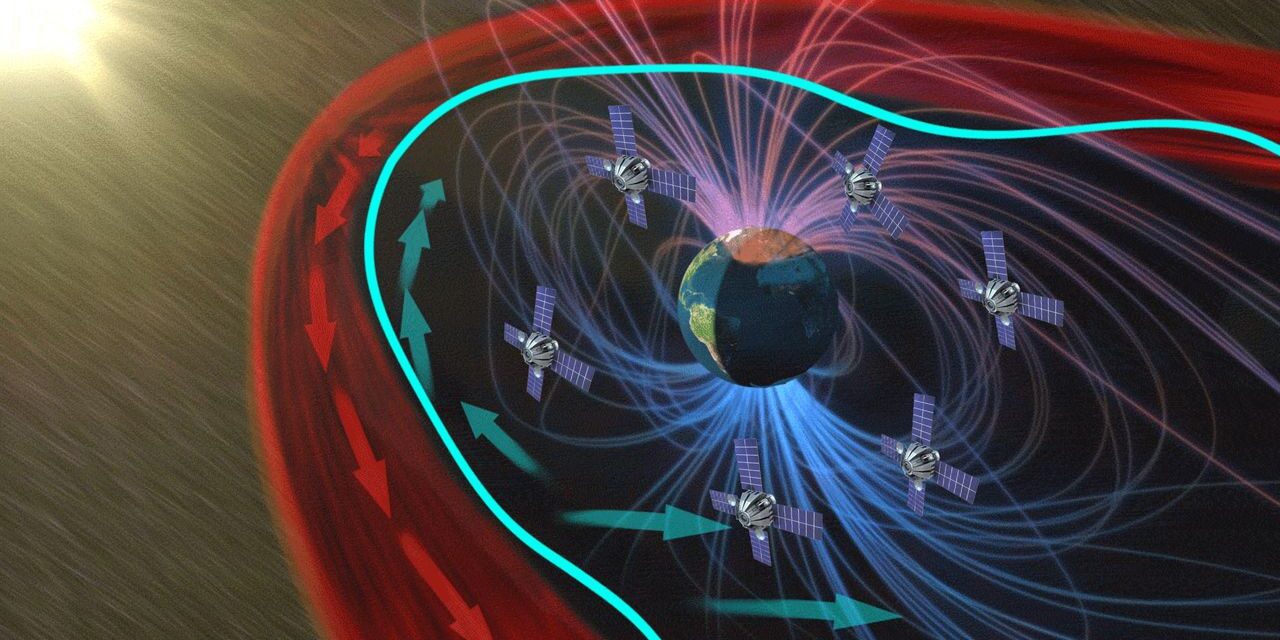
In a groundbreaking proposal, researchers have suggested launching a massive ‘airbag’ into space to protect Earth from potentially devastating solar superstorms. These events, which can unleash colossal bursts of solar energy, threaten satellites, power grids, and even astronauts in space. The initiative, which recently gathered momentum within the scientific community, is considered ‘quite feasible’ according to experts.
How the story got here
This innovative idea stems from increasing awareness of the threats posed by solar activity. Historical precedents, such as the Carrington Event of 1859, serve as stark reminders of what can happen when a solar superstorm impacts Earth. Although technology has advanced significantly since then, scientists argue that the risks remain, noting growing reliance on technology in our daily lives.
Previous research has identified the devastating potential of geomagnetic storms. These storms occur when solar wind releases solar magnetic fields that interact with Earth’s magnetosphere. This interaction can lead to power outages, GPS issues, and disruptions in communication systems. The sizeable airbag concept, which involves deploying large inflatable shields in orbit, aims to act as a buffer against these solar events by absorbing and dissipating harmful solar energy.
Initial studies suggest that this system could be constructed using lightweight materials, which would allow it to be launched with current aerospace technologies. Proposals include utilizing materials like graphene, renowned for its strength and lightweight properties, to ensure efficacy and ease of deployment. This undertaking would require collaboration among various space agencies worldwide, as the scale of such an operation surpasses the capabilities of a single organization.
Next expected developments
As discussions continue, researchers are now focused on feasibility studies and potential engineering challenges that may arise during the construction and deployment of the airbag system. Upcoming conferences and symposiums will feature presentations on this concept, allowing for peer feedback and idea refinement.
Moreover, partnerships between private and public sectors will likely play a crucial role in furthering the project. Stakeholders across various industries will need to assess both the financial and technological implications of developing an effective protective system against solar activity. The next milestone will be focused on securing funding and gathering additional support from influential policymakers and government agencies.
The exploration of this concept is an evolving narrative within the scientific community and hints at a future where proactive measures can mitigate cosmic threats. As research progresses, the notion of protecting our planet from solar superstorms may shift from intriguing hypothesis to feasible reality.