The latest turn
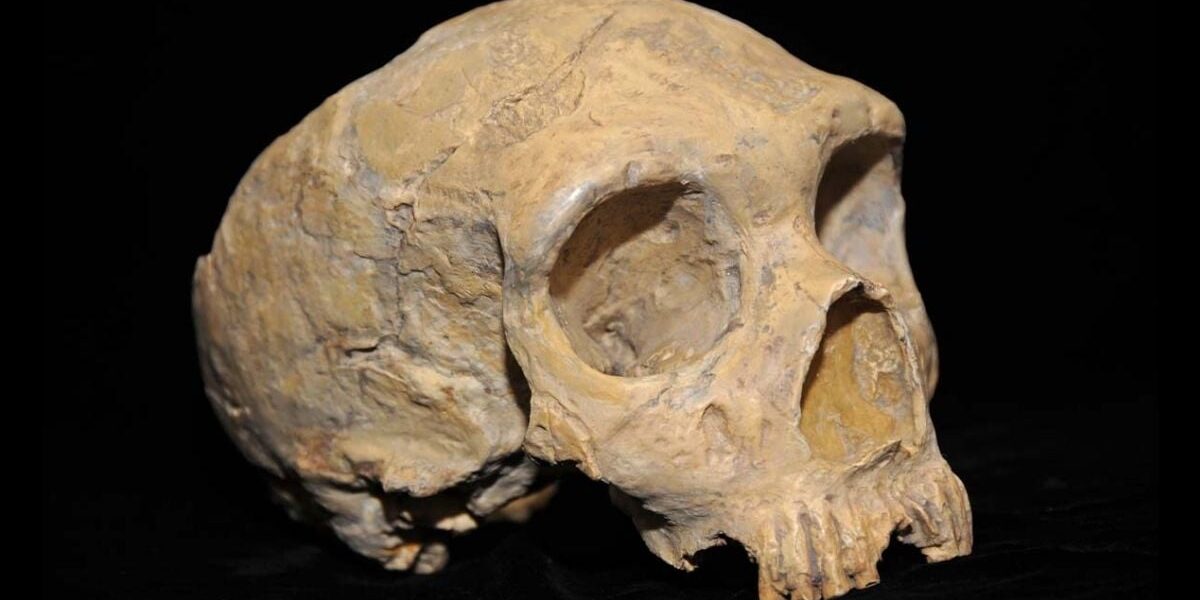
Recent advancements in ancient DNA research have unveiled surprising genetic information about the last Neanderthal populations. A study published in the journal Nature has identified genetic variants in Neanderthal remains, providing deeper insights into their traits and adaptations. This research not only reshapes our understanding of Neanderthals but also highlights the genetic exchanges that occurred between them and early modern humans.
The DNA was extracted from well-preserved bones found in a cave in Siberia, dating back approximately 40,000 years. Previously, scientists believed that the genetic lineage of Neanderthals was largely static, but these findings indicate more dynamic evolutionary adaptations than previously thought. Notably, researchers discovered genes associated with immunity and metabolism that suggest Neanderthals had varying responses to their environments.
How the story got here
The journey into Neanderthal genetics has been transformative over the past few decades. Initial discoveries of Neanderthal skeletons in the mid-19th century marked the beginning of what would evolve into a complex narrative about human ancestry. For many years, the traditional view characterized Neanderthals as primitive beings who could not survive in a rapidly changing world dominated by anatomically modern humans.
However, as genomic technologies improved, researchers began to analyze Neanderthal DNA. The landmark sequencing of the Neanderthal genome in 2010 provided a wealth of data that changed perceptions about their capabilities and social structures. Neanderthals were found to possess a significant number of genes shared with modern humans, revealing the extent of interbreeding between the two groups.
The latest findings in Siberia build on this foundation, revealing that Neanderthals may have had adaptive traits that allowed them to withstand harsh climates and health challenges. Scientists now look to refine our understanding of how these traits played into their eventual extinction approximately 40,000 years ago.
Next expected developments
Looking ahead, experts anticipate that further research will illuminate how Neanderthals adapted to their environments and interacted with modern humans. Upcoming studies will likely employ more sophisticated genomic techniques, such as paleogenomics, to piece together the complex web of life that Neanderthals led.
Additionally, researchers are investigating how Neanderthal traits may still influence the genetic makeup of contemporary humans, especially those of European and Asian descent who share inherited genetic variants with their ancient cousins.
The continued exploration of ancient DNA is poised to unravel more mysteries about our evolutionary history. The next milestones could include findings from new excavation sites, where undiscovered Neanderthal remains might yield additional clues about their biology, culture, and ultimately, their legacy in the human story.
Original Source: https://www.sciencealert.com/ancient-dna-reveals-a-genetic-surprise-in-the-last-neanderthals