The latest turn
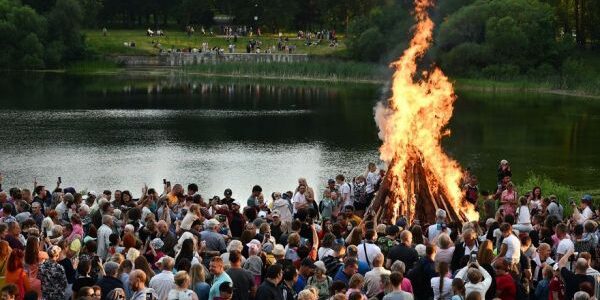
Midsummer celebrations in Europe are currently gaining renewed attention as communities embrace traditional festivities after a hiatus during the pandemic. Across the continent, local festivities are coming back to life, as towns and cities prepare for vibrant gatherings to honor the summer solstice. This year’s celebrations demonstrate a notable resurgence in cultural pride, with participants eager to reconnect with their roots. From the bonfires in Sweden to the lively street fairs in Spain, the Midsummer spirit is truly alive in 2023.
How the story got here
Midsummer, traditionally celebrated around the summer solstice, has roots that trace back to ancient agricultural festivals and pagan rituals. The original significance revolved around fertility, abundance, and the importance of the sun. In Scandinavia, the longest day of the year marked a time of profound gratitude for the sun’s life-giving rays, crucial for the growing season.
In Sweden, Midsummer is perhaps the most cherished celebration, attracting both locals and tourists alike. Celebrants gather around a maypole adorned with flowers and greenery, engaging in traditional folk dances and singing festive songs. The night’s festivities often culminate in a sumptuous feast featuring herring, new potatoes, and strawberries, echoing the harmony with nature that defines this occasion.
In Finland, the celebration often entails a retreat to summer cottages, where families enjoy nature, fishing, and sauna rituals. The midnight sun creates an enchanting atmosphere, encouraging festivities that transcend daylight. People gather for barbecues, outdoor games, and the cherished tradition of lighting bonfires to ward off evil spirits.
Across northern Europe, the celebrations extend to Estonia and Latvia, where Midsummer, known as Jaanipäev and Jāņi respectively, encapsulates the cultural heart. In Estonia, locals light bonfires and participate in singing contests, while entwining their festivities with ancient folklore. Latvia embraces flower crowns and lively dances, emphasizing the importance of nature and communal togetherness.
Meanwhile, in southern Europe, Midsummer manifests in unique ways. In Spain, cities like Valencia and Barcelona hold festivities known as San Juan, where revelers indulge in midnight beach parties, fireworks, and jumping over bonfires. This celebration also signifies the transition into summer, filled with joy, music, and dance.
Next expected developments
As Europe continues to embrace these vibrant Midsummer celebrations, communities are likely to innovate and adapt traditions, blending them with modern elements appealing to younger generations. Anticipation for upcoming events is palpable, with local festivals already announcing plans for next year’s celebrations, which promise to incorporate new themes and attractions.
Moreover, there is a growing movement toward sustainable practices during these festivities. Expect a push for eco-friendly decorations, locally sourced food options, and waste reduction initiatives, reflecting greater societal awareness of environmental impacts.
Overall, Midsummer 2023 serves as a reminder of the importance of cultural heritage, community connection, and the joyous spirit of summer that binds Europeans together. As the season progresses and the sun continues to shine, the anticipation of future Midsummer gatherings only grows stronger.
Original Source: https://www.neatorama.com/2026/06/17/The-Ways-They-Celebrate-Midsummer-in-Europe/