
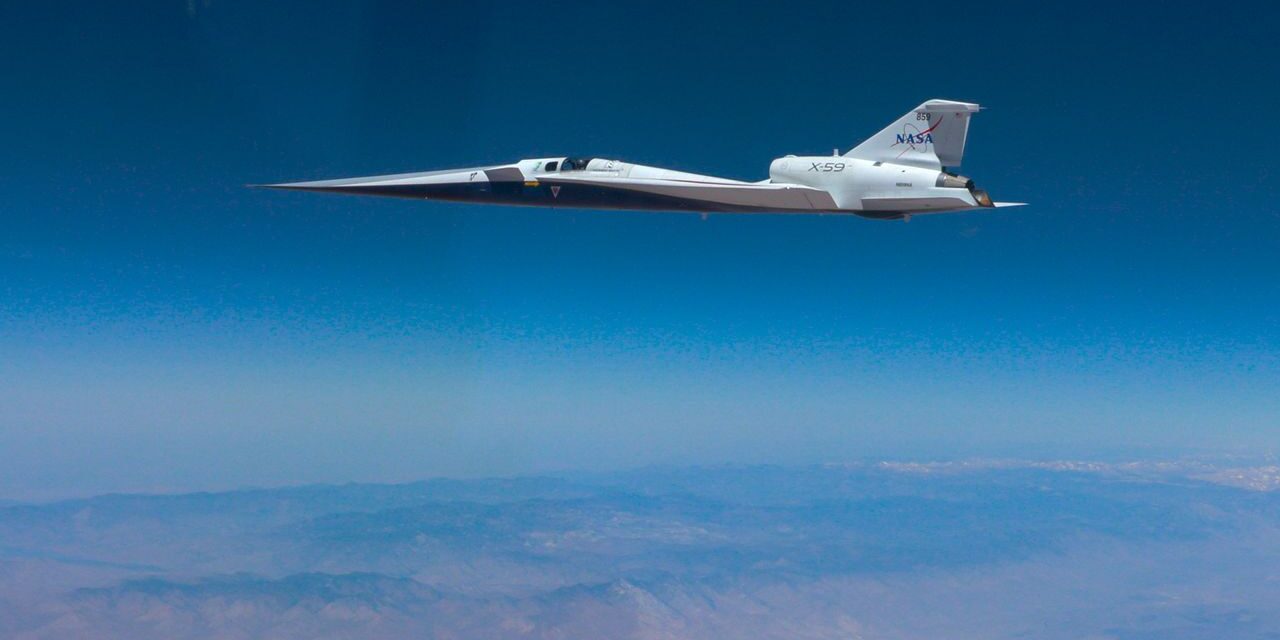
Nasa’s experimental X-59 Quiet Supersonic Transport (QueSST) jet has marked a significant milestone by successfully breaking the sound barrier for the first time. This achievement is seen as a major step toward revolutionizing air travel with the promise of “quiet supersonic” technology. The event has generated a surge of optimism among aerospace enthusiasts, industry experts, and potential commercial partners who see the implications of this technology for overcoming strict regulations on supersonic flight over land.
Immediate reaction
The successful flight of the X-59 has elicited enthusiastic responses from various sectors. Airlines, particularly those seeking to enhance long-haul travel efficiency, view the development as a potential game changer. Experts have suggested that if quiet supersonic travel can be made commercially viable, it could significantly reduce travel times, drawing increased interest from high-profile consumers and business travelers alike.
Regulatory authorities are also monitoring the development closely. The ongoing efforts to create a quieter sonic boom could lead to adjustments in the regulations that currently restrict supersonic flights over land due to the disruptive nature of traditional sonic booms. Initial reactions from the Federal Aviation Administration (FAA) indicate a willingness to adapt existing frameworks to accommodate this emerging technology.
What triggered the move
The X-59’s successful sound barrier breach is a culmination of years of research and development aimed at producing a supersonic aircraft that minimizes noise. NASA initiated the QueSST project to address longstanding concerns regarding noise pollution linked with supersonic jets. Through a series of innovative design features, including a long, narrow fuselage and a unique shape that disperses shockwaves, the X-59 promises to produce a softer sound, often described as a “thump” rather than a disruptive boom.
This breakthrough comes at a time when the aerospace industry is under pressure to innovate. As environmental regulations become increasingly stringent, companies are investing in cleaner, quieter technologies. NASA’s work on the X-59 should provide a foundational understanding to commercial manufacturers about the possibilities supersonic travel holds, should it be refined and scaled effectively.
Why readers should care
The implications of the X-59’s success extend beyond the aerospace industry and into the daily lives of travelers. If the technology continues to advance toward commercialization, it could fundamentally change how people perceive air travel. Shorter flight times across international routes may make global travel more accessible and efficient.
Moreover, the potential reduction in noise related to supersonic flight could pave the way for broader acceptance of commercial supersonic travel. This acceptance could lead to an era where flights can resume over land without the prior constraints, opening up new routes and possibilities for air travel convenience.
While it remains early days for the X-59 and its commercial applications, the project’s recent achievements hold promise for the future of aviation. As the aerospace sector pushes boundaries in innovation, the successful flight of the X-59 could lay the groundwork for the next generation of air travel, blending speed with a commitment to environmental and community considerations.