
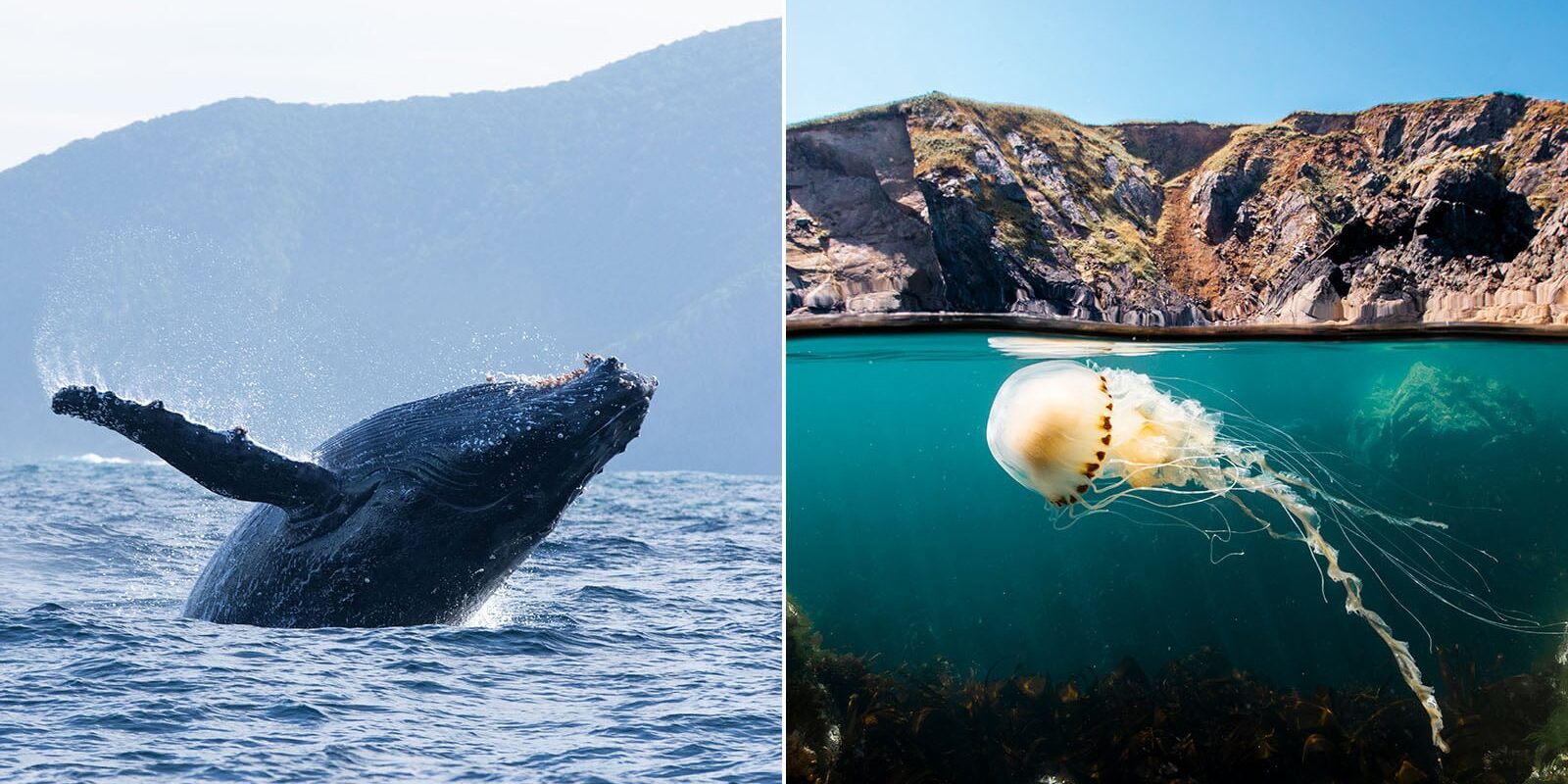
The newly released documentary, ‘Ocean’, takes an unflinching look at the destructive practices of seabed trawling, delivering raw footage that highlights the ecological devastation caused by this fishing method. For the first time, viewers are presented with stark visuals and narratives from marine experts, fishermen, and environmentalists who grapple with the repercussions of trawling on ocean ecosystems. As public awareness grows, this film is poised to impact ongoing debates about sustainable fishing practices and marine conservation.
Latest developments
Since its release, ‘Ocean’ has sparked significant conversations in both the media and environmental circles. Critics emphasize the urgent need for stricter regulations on fishing practices, while proponents argue for increased awareness among consumers about the origins of seafood. The documentary demonstrates how seabed trawling not only threatens fish populations but also destroys critical habitats, such as coral reefs and sea grass beds. In response to rising concerns, some countries are beginning to rethink their fishing policies, with a growing number of advocates calling for bans or restrictions on destructive fishing techniques highlighted in the film.
Background and context
Seabed trawling is a fishing method that involves dragging large nets across the ocean floor, capturing everything in their path. This practice has become controversial due to its profound environmental impact. Critics argue that it leads to overfishing, disrupts delicate marine ecosystems, and contributes to the decline of numerous species. Historically, the fishing industry has prioritized economic gain over ecological health, often leading to unsustainable practices that threaten marine biodiversity.
Documentaries focused on ecological issues are not new, but ‘Ocean’ sets itself apart by employing new technology to capture striking visual evidence of the damage incurred by trawling. Pioneering filmmakers have used underwater drones and other advanced equipment to reveal the hidden realities of deep-sea ecosystems and the extensive destruction wrought by fishing vessels. In particular, the film highlights compelling testimonies from fishermen, who reveal the challenges they face in balancing their livelihood against the urgent need to protect marine life.
What to watch next
As ‘Ocean’ gains traction, it raises essential questions about the future of the fishing industry and the broader implications for global marine health. Following the documentary’s release, experts expect a surge in campaigns aimed at promoting sustainable fishing practices, as well as calls for consumers to opt for responsibly sourced seafood. The film’s impact may well resonate in policy discussions at international forums and conservation conferences, potentially influencing new regulations or agreements aimed at protecting vulnerable marine environments.
Ultimately, ‘Ocean’ serves as a wake-up call for consumers, policymakers, and the fishing industry alike, urging a collective reevaluation of how society interacts with ocean resources. As the discourse continues, the documentary stands as a vivid reminder of the consequences of unchecked human activity on our planet’s vital ecosystems.
Original Source: https://petapixel.com/2026/06/09/ocean-doc-captures-the-horrors-of-seabed-trawling-for-the-first-time/