
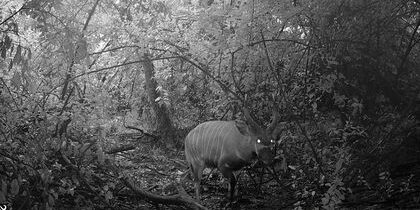
The announcement of trail camera images capturing rare antelopes in a Kenyan forest has generated excitement and optimism among conservationists and animal lovers alike. For years, these animals were considered absent from the region due to habitat loss and poaching. With the confirmation of their presence, many believe this could signal a turning point in conservation efforts aimed at protecting this endangered species.
Immediate reaction
Following the revelation, social media lit up with reactions from wildlife enthusiasts, researchers, and local communities. Many expressed relief and joy, highlighting the importance of this find as a beacon of hope amidst ongoing conservation challenges. Various wildlife organizations quickly commended the efforts to document the species and called for renewed investment in areas where these antelopes have been sighted.
Local tour operators have also voiced excitement over the discovery, seeing it as a potential boon for eco-tourism initiatives. Some expressed optimism that renewed interest could draw funding for enhanced protection measures in the forest and surrounding regions. The increased economic activity, they argue, may serve as a vital tool in conservation, turning local communities into guardians of these animals rather than unwitting contributors to their decline.
What triggered the move
This promising sighting is the result of a concerted effort by conservationists to monitor wildlife through advanced imaging technology. Trail cameras were strategically placed in areas previously thought to be barren of these antelopes, specifically targeting habitats that had seen little human interference. The hope was to identify any potential survivors, and the images confirmed the presence of at least three individual antelopes.
Conservationists attribute the possibility of their return to the enhanced protective measures implemented in recent years. Efforts have included stricter anti-poaching laws, community engagement programs, and reforestation initiatives aimed at restoring habitats. These collaborative efforts appear to be yielding results, as wildlife populations in several parts of Kenya have shown signs of recovery.
Why readers should care
The occurrence of these rare antelopes is not just a local phenomenon; it reflects broader environmental trends that have significant implications for global biodiversity. Species extinction impairs ecosystems and reduces resilience to environmental changes. By focusing on the conservation of even the most endangered creatures, we contribute to the health of the planet as a whole.
This development also emphasizes the importance of ongoing conservation work supported by individual and collective action. It serves as a reminder that even in areas where hope seemed lost, dedicated efforts can lead to recovery. As news spreads about this positive sighting, it may inspire further funding and support for conservation projects in Kenya and beyond. The immediate impact of renewed interest could lead to better protection of these animals and their habitat, benefiting the entire ecosystem.
In the coming months, as awareness grows and public engagement increases, it will be crucial to evaluate how this momentum can be harnessed. The focus will remain on sustainable practices and policies that not only protect these rare antelopes but also support the communities living alongside them.