Key details
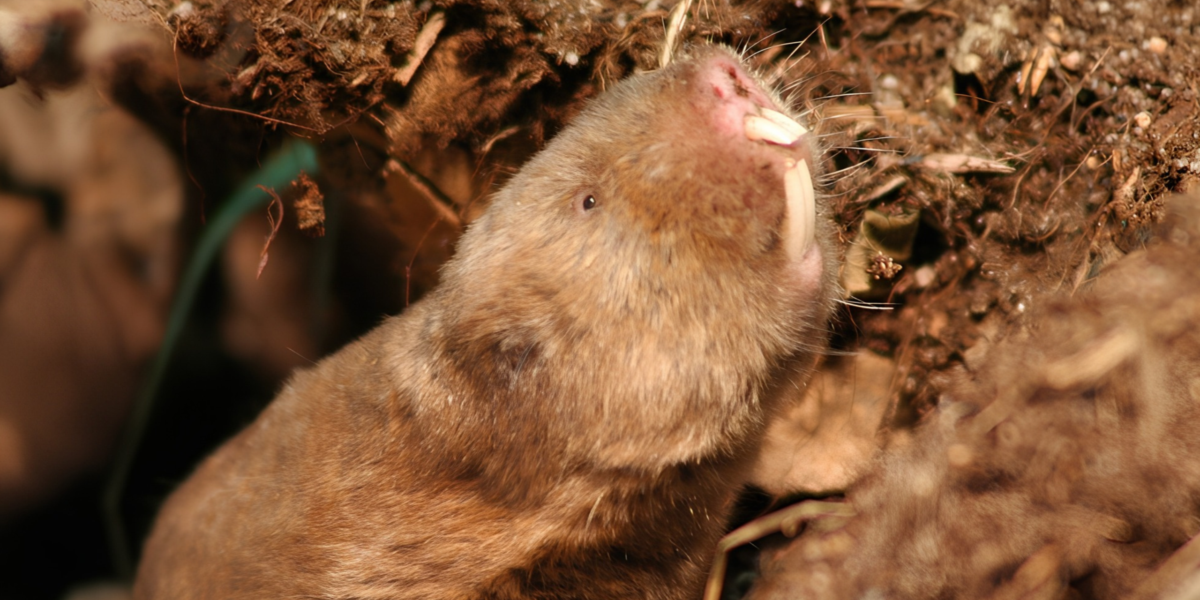
Recent research reveals that mole rats exhibit signs of stress when exposed to disruptions in Earth’s magnetic field. Conducted by an international team of scientists, the study focused on the behavior of Heterocephalus glaber, a species known for its unique social structures and subterranean lifestyle. The experiment involved exposing these rodents to controlled simulations of magnetic field fluctuations reflective of potential natural events, such as geomagnetic storms or polar reversals.
During the simulations, the mole rats displayed an increase in stress markers, including higher levels of cortisol, a hormone often associated with stress responses in animals. The research suggests that these mammals may rely on the Earth’s magnetic field for orientation and navigation, thus making them vulnerable to disturbances.
Why this matters
Understanding the impact of magnetic field variations on mole rats can help scientists evaluate the broader implications for other species. This is particularly significant given that the Earth’s magnetic field is known to undergo periods of reversal and fluctuation, which could affect numerous organisms that rely on geomagnetic cues for migration or navigation. Mole rats, with their intricate social dynamics and reliance on underground habitats, serve as a compelling model for studying these phenomena.
The findings also raise important questions about the potential impact of excessive human-induced electromagnetic interference. Technologies such as mobile devices, power lines, and other electronic equipment contribute to an environment filled with artificial electromagnetic fields. Assessing how these factors might interact with natural geomagnetic variations could lay the groundwork for further research on ecological and evolutionary significance.
Broader picture
This study contributes to a growing body of literature examining the interplay between environmental factors and animal behavior. As climate change accelerates and the Earth’s magnetic field continues to fluctuate, gaining insight into how species react to such changes is imperative for conservation efforts. Mole rats, as model organisms, highlight the necessity of understanding stress responses at a physiological level.
Research such as this not only enhances our knowledge of the biological effects of electromagnetic fields on life but also serves as a cautionary tale regarding the unpredictability of natural phenomena. Monitoring the behavioral responses of various species to environmental stressors can inform conservation strategies and animal welfare policies, especially in rapidly changing ecosystems.
In conclusion, while the study of mole rats’ stress responses to magnetic field disruptions is a significant discovery, it opens up many avenues for future inquiry. As we enter an era characterized by both natural and anthropogenic disturbances, elucidating these interactions will be crucial for ensuring the resilience and adaptability of wildlife in the face of global changes. Understanding the ramifications of environmental stressors on myriad species will be essential for fostering biodiversity in the long term.
Original Source: https://www.sciencealert.com/mole-rats-get-stressed-when-earths-magnetic-field-vanishes-study-suggests