
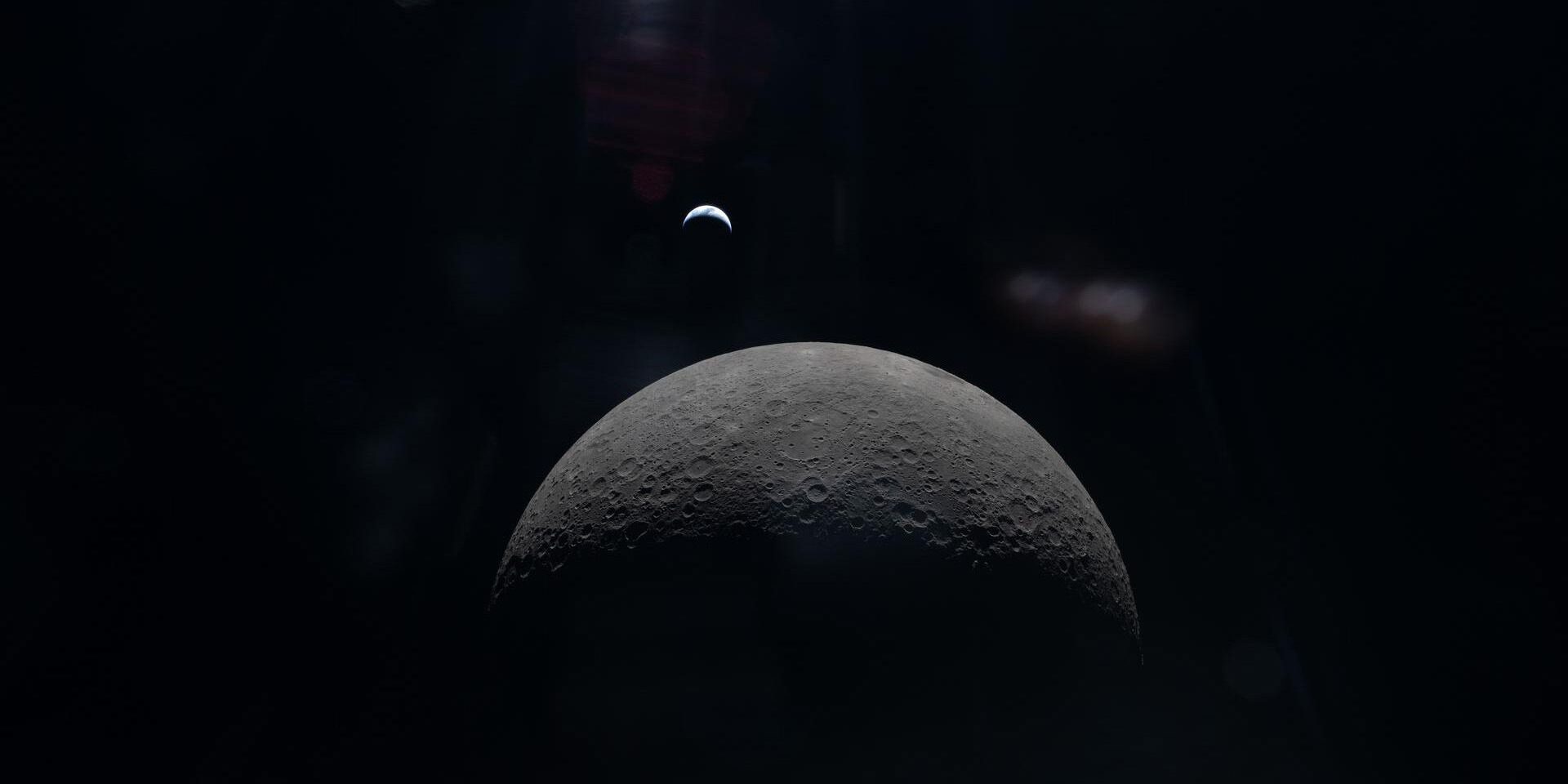
In a recent interview, the commander of the Artemis II mission recounted a particularly harrowing moment during the 10-day journey around the moon that left both him and his crew grappling with fears of never returning home. As part of NASA’s ambitious plans to establish a sustainable human presence on the lunar surface, Commander Reid Wiseman’s reflections offer crucial insights into the challenges faced by astronauts venturing into deep space.
What happened
During the mission, which marked the first crewed flight of NASA’s Artemis program, the crew faced a critical situation as they maneuvered the spacecraft into lunar orbit. Wiseman revealed that an unexpected technical glitch caused the spacecraft to lose communication with ground control for several anxious minutes. In that moment of silence, as silence enveloped the cockpit, Wiseman recalled uttering the chilling thought, “We’re never going to come home.” It was a brief but intense realization of the risks involved in deep space travel.
The crew, comprised of four astronauts, had undergone rigorous training for potential emergencies, yet the reality of their vulnerability at that moment became strikingly clear. Human error, technical malfunctions, or unforeseen cosmic phenomena have historically posed dangers to space missions, making their experience not only terrifying but also a sobering reminder of the stakes involved in space exploration.
Why it matters
The Artemis II mission is a significant step in humanity’s return to the moon. NASA aims to establish a sustainable presence on the lunar surface, with plans for further exploration, including potential missions to Mars. The experiences of Wiseman and his crew underline not only the technological challenges but also the psychological toll of space travel. Astronauts must be prepared to confront fear and uncertainty in environments far removed from earth.
Wiseman emphasized the emotional and mental aspects of space travel, advising that future missions should focus not only on technological advancements but also on enhancing the psychological support systems for astronauts. “It’s not just about the hardware,” he stated, “it’s about the human capacity to handle fear and uncertainty.” This insight is crucial for planning future missions, especially as humanity aims to push deeper into the solar system.
What comes next
Looking ahead, NASA is preparing for upcoming phases of Artemis, emphasizing the importance of refining crew training and equipment based on lessons learned from Artemis II. The agency is also planning for Artemis III, which aims to land astronauts on the lunar south pole, an area that has not yet been explored by humans. The findings from the current mission will be instrumental in shaping these future endeavors, not only from a technical perspective but also in understanding human factors that impact long-duration space missions.
As excitement builds for Artemis III, it’s clear that the nuances of human experience in space will play a critical role in the success of future lunar and astronomical exploration. Wiseman’s reflections might just pave the way for enhanced strategies to prepare astronauts for the unknown, ensuring that humanity can bravely proceed into the depths of space.