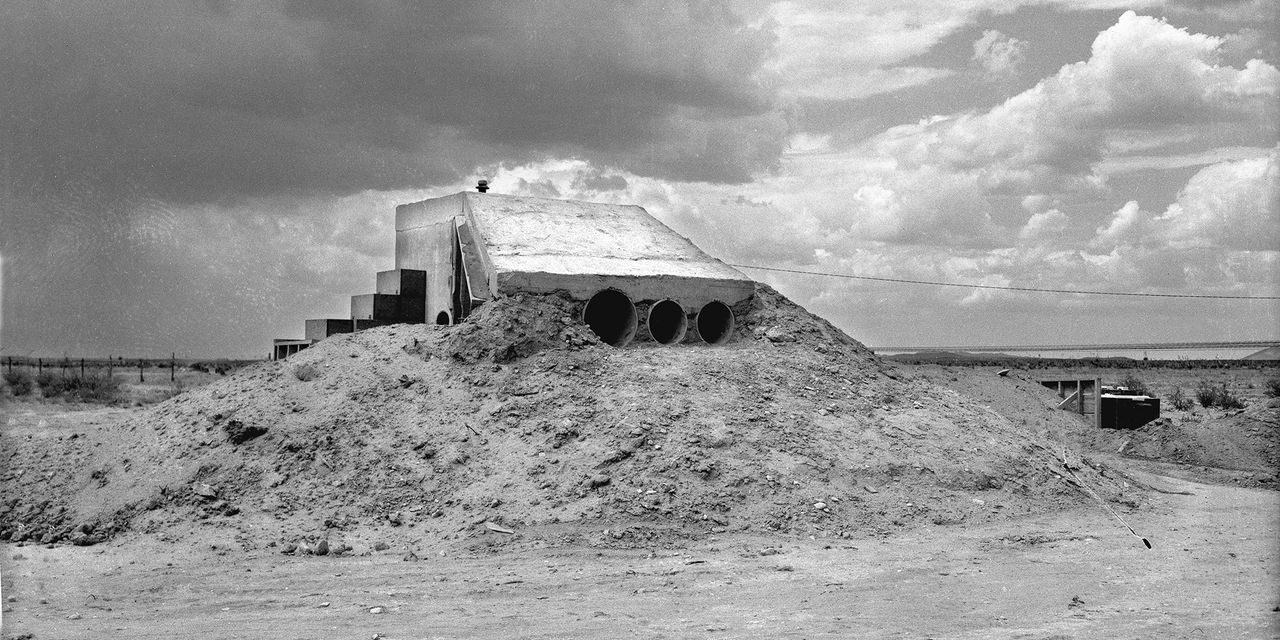
The recent surge in interest surrounding the 1945 Trinity nuclear test highlights the extensive preparations scientists undertook to comprehend the implications of atomic energy. As declassified documents emerge, they reveal the crucial uncertainties that surrounded the test, particularly the potential energy release and its consequences.
What happened
The Trinity test, conducted on July 16, 1945, in the New Mexico desert, marked the first detonation of a nuclear weapon. Scientists from the Manhattan Project gathered to witness an event that would alter warfare and international relations forever. Despite their advanced knowledge of nuclear fission, many variables remained unknown. The most pressing concern was quantifying the energy output of the weapon, a factor that scientists recognized could greatly impact both the immediate vicinity and beyond.
Leading researchers, including J. Robert Oppenheimer and his team, spent months calculating the expected yield of the explosive device. They relied on mathematical models and prior experiments, but the precise outcome remained difficult to predict. Some scientists speculated that the detonation could ignite the atmosphere, although this theory was later dismissed. Ultimately, the test yielded a massive explosion, equivalent to 20 kilotons of TNT, demonstrating the devastating power of nuclear weapons.
Why it matters
The Trinity test significantly shaped not only military strategy but also the political landscape of the post-war era. The successful detonation provided the United States with a formidable advantage during World War II, leading to the bombings of Hiroshima and Nagasaki. However, the broader implications of atomic energy ignited ongoing debates about nuclear warfare, safety, and ethics that continue to resonate today.
Moreover, the uncertainties surrounding the test called into question the limits of scientific understanding at the time. The concerns about atmospheric ignition serve as a reminder of the dangers inherent in pioneering technology without full comprehension. Furthermore, Trinity has since become a pivotal event in discussions about nuclear proliferation and environmental impact.
What comes next
As historians and scientists continue to study the Trinity test, new findings may emerge that shed light on both the science of nuclear reactions and the ethical implications that surround their use. The ongoing declassification of documents related to the Manhattan Project can provide fresh insights into the mindset of scientists who bore the weight of their responsibilities – and the uncertainties – during that era.
Looking ahead, increased public interest in historical atomic testing signifies a growing demand for transparent discussions about nuclear policies, disarmament, and energy use. With this renewed scrutiny, the lessons learned from the Trinity test remain profoundly relevant as the world grapples with the realities of nuclear technology and its consequences for future generations.