Key details
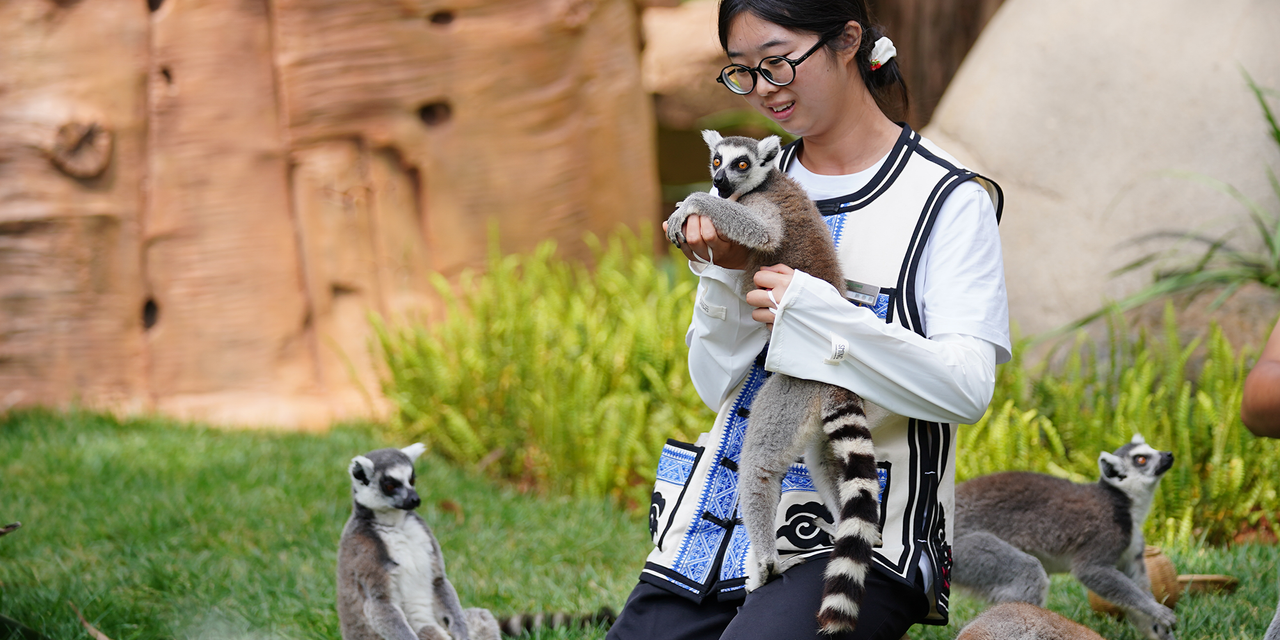
Four lemurs have died from an outbreak of human herpesvirus, a concerning event that underscores the fragility of these endangered species. Among the deceased was a lemur named Zuri, who had participated in a controversial ‘lemur yoga’ class at a local zoo. The virus, known to cause infections primarily in humans, has predominantly affected species in close proximity to human environments, leading to alarming rates of mortality in these primates.
Experts have identified that the strain of herpesvirus detected in the lemurs is closely related to that which can cause serious health complications in humans, particularly in those with weakened immune systems. The zoo, which had been hosting the unique yoga sessions to attract visitors, has since halted these activities following the outbreak.
Why this matters
The deaths of these lemurs raise critical questions about wildlife-human interactions and the implications of such encounters for conservation efforts. The rising popularity of animal experiences—ranging from yoga classes to petting zoos—often places these animals at risk. When humans engage directly with wildlife, there is potential for cross-species transmission of pathogens, highlighting the importance of safeguarding both animal and human health.
Furthermore, the incident emphasizes the pressing need for stringent health protocols in environments where animals and humans interact. While novelty experiences such as lemur yoga may boost tourism, they can inadvertently contribute to the decline of already vulnerable species. The involvement of lemurs, which are endemic to Madagascar and classified as endangered, adds urgency to the conversation about ethical treatment and protection of wildlife.
Broader picture
This incident is part of a larger trend concerning the management of wildlife in captivity and the consequences of anthropogenic activities. Experts urge zoos and wildlife facilities to reconsider practices that involve close interactions with animals. The health of wild populations is intricately linked to how humans treat them, emphasizing a need for a more responsible approach to wildlife tourism.
The rising incidence of zoonotic diseases, which can jump from animals to humans, is a pivotal concern reflected by this outbreak. Additionally, as climate change and habitat loss continue to threaten biodiversity, such incidents serve as a warning of the unpredictable consequences of human intrusion into natural ecosystems.
In conclusion, the deaths of these lemurs highlight not only the immediate impact of human activities on wildlife but also point to larger systemic issues within the realms of conservation and public engagement with nature. Balancing conservation goals with human interests will require a reevaluation of how we interact with wildlife to ensure a sustainable future for both animals and humans alike.
Original Source: https://www.livescience.com/health/viruses-infections-disease/4-lemurs-die-of-human-herpesvirus-including-one-that-had-been-used-in-a-lemur-yoga-class